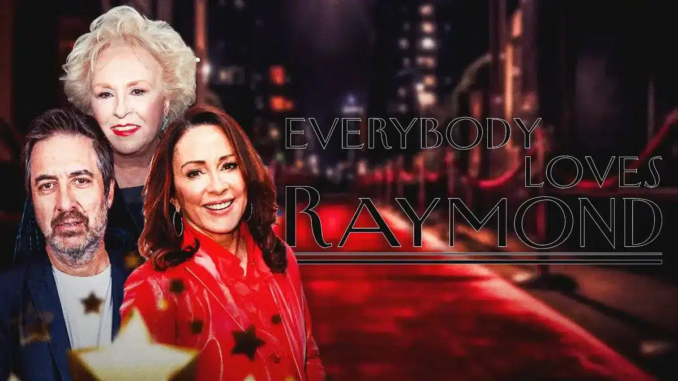
When Nostalgia Meets a Hard No
Reboots are everywhere. Old sitcoms are coming back like boomerangs, spinning off sequels, revivals, and “where are they now?” specials. So naturally, fans have been asking the big question for years: Will Everybody Loves Raymond ever come back?
Ray Romano’s answer is crystal clear—and it’s not what nostalgic fans want to hear. The comedian and actor has adamantly shut down the idea of an Everybody Loves Raymond revival, and he hasn’t left much room for negotiation.
Let’s unpack why one of TV’s most beloved sitcoms is staying firmly in the past—and why that might actually be a good thing.
Why Everybody Loves Raymond Still Feels Relevant
Even decades later, the show still lands. The jokes feel familiar. The family arguments feel uncomfortably real. That timeless quality is exactly why fans keep hoping for more.
But relevance doesn’t automatically mean revival-worthy—and Ray Romano knows it.
Ray Romano’s Firm Stance on a Revival
Ray Romano hasn’t tiptoed around the topic. When asked about reviving Everybody Loves Raymond, he has consistently made one thing clear: it’s not happening.
No soft “maybe someday.” No “we’ll see.” Just a firm, respectful, but unwavering no.
Why Ray Romano Says the Story Is Complete
According to Romano, the show told its story. It ran for nine successful seasons, ended on its own terms, and never overstayed its welcome.
In his view, reopening that chapter risks undoing what made the original special.
The Fear of Ruining a Perfect Legacy
Let’s be honest—revivals are risky. For every successful reboot, there are several that miss the mark.
Ray Romano has openly acknowledged that Everybody Loves Raymond holds a near-perfect legacy. He doesn’t want to gamble with that.
Comedy Has Changed—and Not Always for the Better
One of Romano’s biggest concerns is how comedy has evolved. What worked in the late ’90s and early 2000s might not land the same way today.
The show thrived on uncomfortable truths, blunt humor, and family tension. In today’s climate, that style could be misunderstood or heavily watered down.
Why Modern TV Might Limit the Show’s Edge
Part of Everybody Loves Raymond’s charm was its fearlessness. The characters were flawed. Sometimes annoying. Often wrong.
Ray Romano has hinted that modern television might not allow the same creative freedom—and that would fundamentally change the show.
The Cast Losses That Changed Everything
Another major factor is the heartbreaking loss of key cast members. Several beloved actors from the show are no longer with us.
Their absence wouldn’t just be noticeable—it would change the emotional core of the series entirely.
Why You Can’t Replace Iconic Characters
Frank and Marie Barone weren’t just characters. They were forces of nature. Trying to recreate that dynamic without the original actors would feel hollow.
Ray Romano understands that some chemistry can’t be rebooted.
The Original Ending Still Works
Unlike many sitcoms that ended abruptly, Everybody Loves Raymond wrapped things up in a satisfying way.
There were no cliffhangers. No unresolved arcs. Just a quiet, fitting goodbye.
Ray Romano’s Philosophy: Leave Them Wanting More
Romano believes that knowing when to stop is part of respecting the audience.
Instead of squeezing out one more season, he prefers letting fans remember the show at its best.
Why Fans Still Keep Asking Anyway
Let’s face it—comfort TV is powerful. Fans return to Everybody Loves Raymond during stressful times because it feels safe and familiar.
That emotional connection fuels revival requests year after year.
Could There Ever Be a Reunion Special?
Even reunion specials have been largely dismissed. Romano has expressed little interest in revisiting the characters in any scripted form.
For him, the cast’s real-life relationships matter more than recreating fictional ones.
The Difference Between Nostalgia and Necessity
Not every beloved show needs a comeback. Sometimes nostalgia works best when it’s preserved, not reanimated.
Ray Romano seems deeply aware of that difference.
How Syndication Keeps the Show Alive
Thanks to constant reruns, Everybody Loves Raymond never really left. New generations continue to discover it, laugh at it, and relate to it.
In a way, the show is already immortal.
Why a Revival Might Feel Forced
Family dynamics change over time. Characters evolve. Humor shifts.
A revival might feel like forcing old shoes onto new feet—technically possible, but deeply uncomfortable.
Ray Romano’s Focus on New Creative Work
Rather than revisiting the past, Romano prefers creating new stories. He’s expressed pride in moving forward creatively instead of recycling old material.
That mindset keeps his work fresh and authentic.
What the Cast Has Said About a Comeback
Other cast members have largely echoed Romano’s sentiment. There’s love for the show—but also respect for what it was.
That shared understanding strengthens the decision to leave it alone.
Why Saying No Can Be the Most Respectful Choice
In an era of endless reboots, saying no takes confidence. It’s a way of protecting something special instead of exploiting it.
Ray Romano’s refusal isn’t about arrogance—it’s about care.
Conclusion: Let the Laughter Live Where It Belongs
Everybody Loves Raymond doesn’t need a revival to stay relevant. Its humor still works. Its characters still resonate. Its legacy remains intact.
By adamantly shutting down a revival, Ray Romano isn’t disappointing fans—he’s honoring them. Sometimes the best way to love something is to let it stay exactly as it was.
FAQs
1. Did Ray Romano ever consider an Everybody Loves Raymond revival?
He has consistently said no and remains firm in that decision.
2. Why doesn’t Ray Romano want a revival?
He believes the show’s story is complete and fears damaging its legacy.
3. Have other cast members supported this decision?
Yes, many have expressed similar feelings about preserving the original series.
4. Could there ever be a reunion episode or special?
That also appears unlikely based on Romano’s statements.
5. Why does the show still feel popular today?
Its relatable humor and timeless family dynamics continue to connect with audiences.