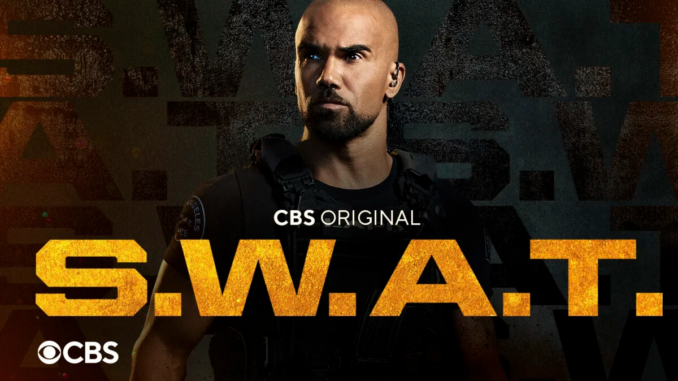
When CBS officially confirmed that S.W.A.T. was ending for good, the reaction across the fandom was intense—but surprisingly calm.
Yes, fans were upset. Yes, emotions ran high. But shock? Not so much.
For longtime viewers, the end of S.W.A.T. didn’t feel sudden. It felt inevitable—like watching storm clouds gather long before the rain hits. The signs were there, hiding in plain sight.
So why did CBS finally let one of its most resilient shows go? And how did fans manage to see it coming before the announcement ever dropped?
Let’s break it down—clearly, honestly, and without the PR spin.
The Official End of S.W.A.T. on CBS
A Final Decision This Time
This wasn’t just another “maybe it’s canceled, maybe it’s not” moment.
CBS made it clear: S.W.A.T. is ending for good.
No more last-minute renewals. No more surprise reversals. The door is officially closed.
Why This Announcement Felt Different
Fans had lived through cancellation scares before. The show had been saved more than once, giving viewers hope that lightning might strike again.
But this time, the tone was final—and fans felt it immediately.
Why CBS Is Letting S.W.A.T. End for Good
Rising Production Costs Became Hard to Ignore
Let’s start with the elephant in the room.
S.W.A.T. is an expensive show.
Between:
-
Large ensemble cast salaries
-
Action-heavy sequences
-
Location shoots
-
Technical production demands
…the cost per episode kept climbing.
Meanwhile, ratings stayed solid but didn’t grow enough to justify those rising expenses.
In network television, that math rarely works in a show’s favor.
CBS’s Programming Strategy Has Changed
CBS isn’t the same network it was when S.W.A.T. premiered.
The industry has shifted toward:
-
Lower-cost productions
-
Franchise-driven content
-
Shows that perform across multiple platforms
Long-running procedural dramas, no matter how beloved, face tougher scrutiny in this new landscape.
The Streaming Era Changed Everything
Linear Ratings Matter Less—but Not Enough
While S.W.A.T. found new life on streaming platforms, CBS still relies heavily on traditional advertising revenue.
Strong streaming numbers help—but they don’t always offset:
-
Declining live viewership
-
Aging audience demographics
That imbalance made long-term continuation harder to justify.
Why Streaming Didn’t Save It This Time
Many fans hoped another platform would swoop in.
But streaming services are cutting costs too. They’re taking fewer risks, not more.
In today’s climate, even proven shows must promise explosive growth—and S.W.A.T. had already reached its peak.
Why Fans Saw the End Coming
The Show Had Been Living on Borrowed Time
Fans didn’t forget that S.W.A.T. had already been canceled—and revived—multiple times.
Each save felt like a temporary win, not a permanent solution.
After a while, survival stops feeling miraculous and starts feeling fragile.
Storylines Started to Feel Like Closure
Attentive viewers noticed subtle changes:
-
Long-running arcs began wrapping up
-
Character journeys leaned toward resolution
-
Emotional callbacks became more frequent
These aren’t coincidences. Writers often sense the end before networks make it official.
Cast Behavior Gave Quiet Clues
Interviews Sounded More Reflective
Cast members began speaking in past-tense language during interviews.
They talked about:
-
Gratitude
-
Growth
-
“What this show meant”
Fans picked up on the shift instantly.
Social Media Told a Subtle Story
More behind-the-scenes posts. More nostalgia. More thank-yous.
When actors start sounding sentimental, it usually means something is ending.
CBS’s Bigger Picture: Making Room for What’s Next
Networks Always Choose the Future
CBS isn’t just canceling shows—it’s reshaping its lineup.
New series mean:
-
Lower costs
-
Fresh branding
-
New audience opportunities
To make room, something has to go—even if it’s loved.
Why Longevity Can Work Against a Show
Ironically, long-running shows often become victims of their own success.
The longer they run:
-
The more expensive they get
-
The harder they are to reinvent
Eventually, networks choose sustainability over sentiment.
Why S.W.A.T. Still Mattered Deeply
More Than Action and Explosions
S.W.A.T. wasn’t just about high-speed chases and tactical gear.
It tackled:
-
Community trust
-
Moral ambiguity
-
Leadership under pressure
That depth kept fans invested long after the novelty wore off.
Characters Fans Grew With
Viewers didn’t just watch these characters—they aged with them.
That emotional connection is why the ending stings, even when it makes sense.
Why CBS Didn’t Keep Saving It
Every Revival Comes at a Cost
Saving a show once is bold.
Saving it multiple times? Risky.
Eventually, networks must decide when to stop negotiating with reality.
Timing Was the Final Factor
In a different TV era, S.W.A.T. might have survived again.
In today’s industry? The odds were stacked against it.
Did S.W.A.T. Get the Ending It Deserved?
At Least Fans Got Closure
One thing CBS did right: it didn’t yank the show mid-story.
The series had time to:
-
Wrap arcs
-
Honor characters
-
Say goodbye properly
That matters more than people realize.
Why Planned Endings Hit Harder—but Heal Faster
Sudden cancellations leave wounds.
Intentional endings leave memories.
What S.W.A.T. Leaves Behind
A Legacy of Resilience
Canceled. Saved. Canceled again. Saved again.
Few shows fight that hard.
A Blueprint for Character-Driven Procedurals
S.W.A.T. proved that action shows don’t have to be empty.
Heart matters—and future shows will follow that lead.
Could S.W.A.T. Ever Return?
Never Say Never—but Be Realistic
Reboots happen. Spin-offs happen.
But for now, this ending feels definitive.
Why Letting Go Might Be the Right Ending
Sometimes the best way to honor a story is to let it end before it fades.
S.W.A.T. went out standing tall—not limping away.
Why Fans Are Sad—but Not Surprised
They Were Paying Attention
Fans didn’t miss the clues.
They noticed the shifts. They read between the lines.
So when CBS made it official, it confirmed what many already felt.
Understanding Doesn’t Erase Emotion
Knowing why it ended doesn’t make it hurt less.
It just makes it make sense.
Final Thoughts: An Ending That Felt Inevitable—but Still Matters
CBS didn’t let S.W.A.T. end on a whim.
This decision grew from industry changes, financial realities, and timing that simply ran out.
Fans saw it coming because they were listening—not just to headlines, but to the show itself.
And while it’s the end of the road, S.W.A.T. leaves behind something powerful: a legacy built on grit, loyalty, and a fanbase that will remember it long after the final episode fades to black.
FAQs About the End of S.W.A.T.
1. Why did CBS cancel S.W.A.T. permanently?
Rising production costs, shifting network priorities, and plateauing ratings all contributed.
2. Was S.W.A.T. canceled before?
Yes, the show survived multiple cancellations and revivals before this final decision.
3. Did fans really see the ending coming?
Many did, based on story direction, cast interviews, and industry trends.
4. Will S.W.A.T. move to another network or streaming service?
There are no confirmed plans for a revival at this time.
5. Did the show get a proper ending?
Yes, S.W.A.T. was given the chance to conclude with closure and intention.