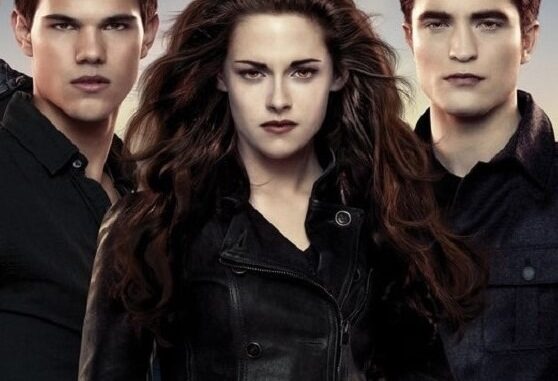
With renewed buzz surrounding The Twilight Saga, one question is quietly turning into a full-blown fan debate: if Twilight comes back, should it start over — or move forward?
The conversation isn’t coming out of nowhere. Recent comments from Kristen Stewart about her openness to directing a Twilight remake, paired with author Stephenie Meyer’s admission that the story still lives on in her imagination, have reignited speculation about the franchise’s future. But as Hollywood continues mining nostalgia for its next big hit, Twilight faces a creative crossroads.
The Case for a Full Reboot
A reboot would allow Twilight to be reintroduced to a new generation — particularly Gen Z audiences who didn’t experience the original phenomenon firsthand. From updated storytelling sensibilities to more modern conversations around agency, consent, and identity, a reboot could reframe Bella and Edward’s story through a contemporary lens.
There’s also the visual argument. Advances in filmmaking, CGI, and world-building could finally bring Forks, the Cullens, and the supernatural elements to life with a level of polish the original films didn’t always have the budget to achieve.
Still, reboots come with risks. Casting new actors as Bella Swan and Edward Cullen would inevitably invite comparisons — and backlash. Robert Pattinson and Kristen Stewart’s portrayals remain deeply ingrained in pop culture, making any recasting a potential lightning rod for fan resistance.
The Argument for Continuing the Original Universe
On the other side of the debate lies a more cautious — and arguably more fan-friendly — approach: continuing the existing Twilight universe rather than erasing it.
A continuation could explore untold stories, shift focus to secondary characters, or even move forward in time. Stephenie Meyer has previously hinted that there are still unexplored narratives within the Twilight world, even if Bella and Edward’s main arc ended with Breaking Dawn.
This path would preserve the emotional legacy of the original films while allowing creative expansion. It could also open the door for original cast members to return in meaningful ways — something longtime fans would likely embrace.
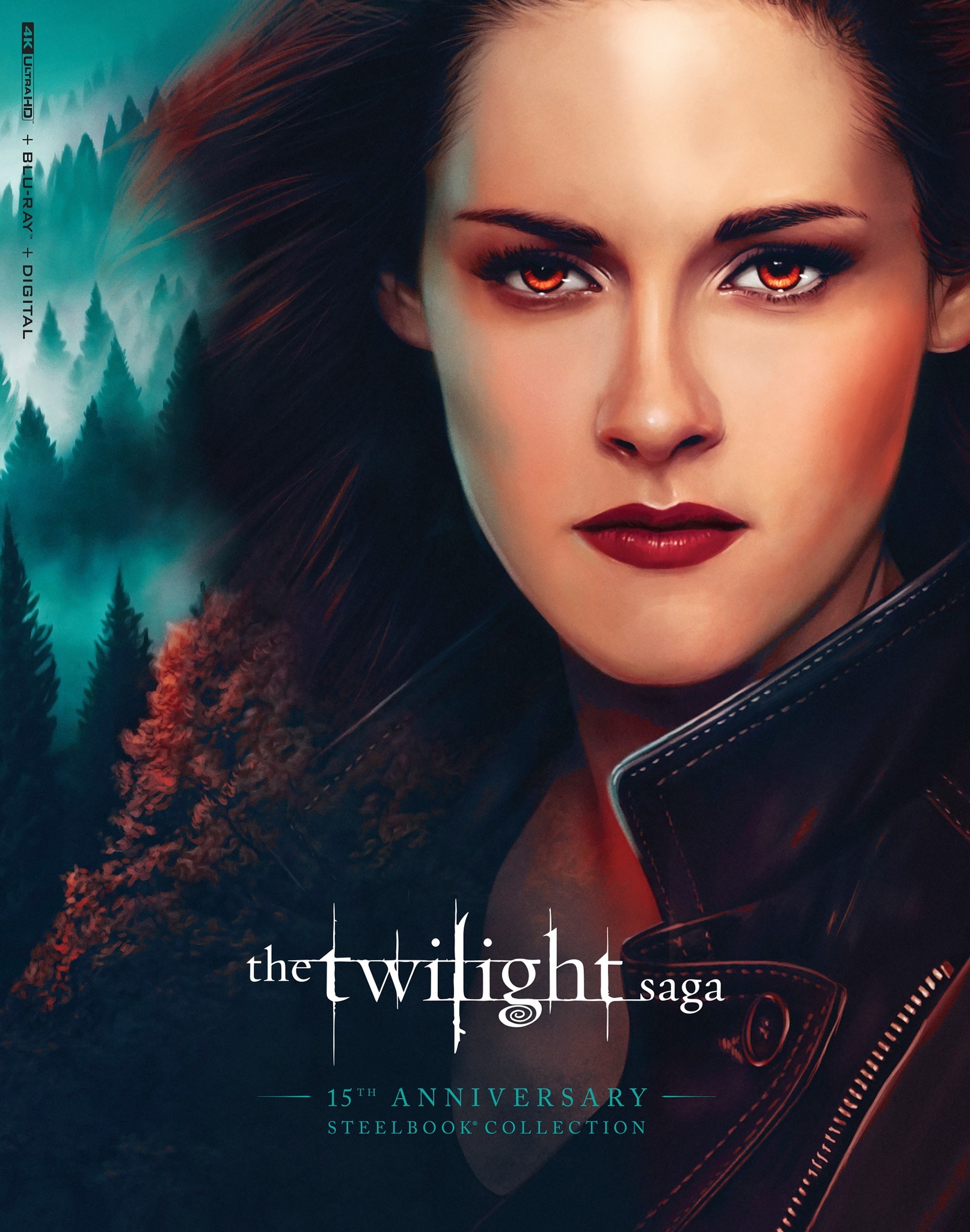
What the Industry Trends Suggest
Hollywood’s recent track record offers clues. Franchises like Star Wars, The Hunger Games, and Harry Potter have found success by expanding their universes rather than rebooting their core stories outright. These continuations respect nostalgia while still creating space for new audiences.
For Twilight, this approach may be especially important. The franchise wasn’t just a series of films — it was a cultural moment. Attempting to recreate that lightning in a bottle from scratch could prove harder than building upon what already exists
So, Which Path Makes Sense?
If Twilight does return, the safest creative bet may not be choosing one extreme over the other — but finding a hybrid approach. A continuation that subtly reintroduces the world, honors its legacy, and gradually reshapes its themes could strike the right balance between nostalgia and reinvention.
One thing is clear: whether through a reboot or an expanded universe, Twilight still holds a powerful grip on pop culture. And as fans continue to debate its future, Forks, Washington may not be done with us just yet.