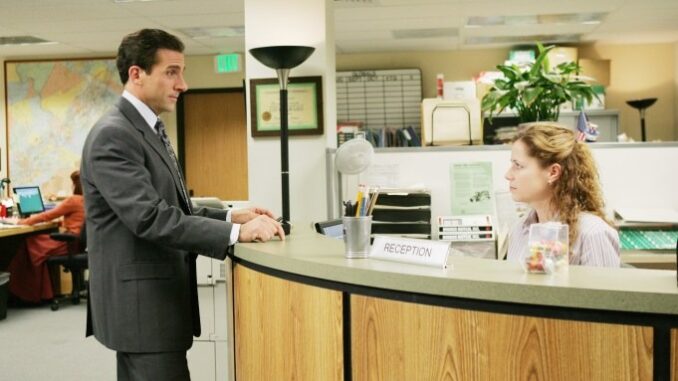
The Office Legacy — Why Jenna Fischer’s Comments Changed the Conversation
For years, The Office fans treated one idea like sacred truth: the show peaked when Steve Carell was front and center as Michael Scott. Once he left, many viewers assumed the magic faded.
But Jenna Fischer — the woman behind Pam Beesly — flipped that narrative on its head.
During interviews and podcast discussions, Fischer revealed something surprising: some of her favorite episodes actually came after Carell exited the series. That statement didn’t just challenge fan assumptions. It reignited debate about the final two seasons and forced many viewers to rethink how they judge TV eras.
And honestly? It raises a bigger question — do we sometimes romanticize the “golden era” of shows while ignoring later brilliance?
Let’s dive deep.
The Cultural Impact of The Office Before and After Steve Carell
The Michael Scott Era — The Heart of Early The Office
When The Office launched in 2005, Steve Carell’s Michael Scott became the emotional and comedic core of the series. His awkward leadership style and painfully relatable social mistakes turned cringe comedy into an art form.
The show ran nine seasons from 2005 to 2013, with Carell leaving in 2011 after Season 7.
For many fans, that exit felt like losing the show’s identity.
The Transition Years — A Risky Creative Shift
After Carell left, the show experimented with new leadership dynamics. Guest appearances and rotating bosses tried to fill the void, including actors like Will Ferrell and James Spader.
Some fans loved the change. Others… not so much.
What Jenna Fischer Actually Said About Later Seasons
The Quote That Shocked Fans
Fischer explained that cast and crew once believed the show peaked around Seasons 3 or 4. But after rewatching the full series, she changed her mind.
She said some of her favorite episodes were in Seasons 8 and 9, after Carell left, noting there were still “amazing storylines.”
That statement alone challenged a decade of fan assumptions.
Why Her Perspective Matters
Fischer wasn’t just a viewer — she lived inside the show for nine seasons. When someone with that level of insider perspective praises later seasons, it forces fans to reconsider whether nostalgia clouds judgment.
Why Fans Thought The Office Declined After Season 7
The “Peak Era” Myth
Many people — including some cast members — believed the show peaked during its middle seasons.
Award nominations even dropped after Season 3, which may have influenced internal confidence.
Emotional Attachment to Michael Scott
Michael wasn’t just a boss character. He was:
-
The emotional center
-
The comedic engine
-
The moral chaos compass
Losing him felt like losing the show’s soul — even if the writing stayed strong.
The Hidden Strengths of Seasons 8 and 9
Ensemble Cast Growth
Without Michael dominating storylines, other characters got more room to evolve:
-
Dwight’s leadership arc
-
Jim and Pam’s family struggles
-
Andy’s complicated character development
New Emotional Stakes
Later seasons leaned more into:
-
Real-life career struggles
-
Marriage pressures
-
Personal identity arcs
That tonal shift felt more grounded — and sometimes more relatable.
Fischer’s True Favorite Era Might Surprise You
Not Just Late Seasons — She Loved Mid-Seasons Too
Fischer also said her overall favorite era spans Seasons 4 through 6.
The Legendary “Dinner Party” Episode
She specifically highlighted “Dinner Party” as a standout favorite.
If you’ve seen it, you know why. It’s awkward comedy perfection — like watching a social car crash you can’t look away from.
The Psychology of Nostalgia in TV Fandom
Why We Think Shows Decline
Humans love “original magic.” Once something changes, we instinctively assume it’s worse.
But change doesn’t equal decline. Sometimes it just equals… different.
The Rewatch Effect
Fischer only realized how strong later seasons were after rewatching the entire series.
That’s important.
Because binge-watching changes perspective. You stop comparing season-to-season and start seeing story arcs as one continuous narrative.
The Writing Evolution After Carell
From Character Comedy to Ensemble Storytelling
Early seasons revolved around Michael reacting to situations.
Later seasons explored:
-
Workplace culture shifts
-
Modern career anxiety
-
Relationship realism
Why This Matters for Modern Audiences
Today’s viewers often appreciate character-driven storytelling more than pure gag comedy — making later seasons age surprisingly well.
The Office’s Ending and Long-Term Legacy
The show ended in 2013 after nine seasons and over 200 episodes.
And here’s the wild part:
Streaming brought new audiences who often watch the entire series without “era bias.” Many younger viewers don’t even see a quality drop — they just see one long story.
What This Means for Future TV Reboots and Spin-Offs
The Upcoming Office Universe Expansion
New projects connected to the documentary crew concept continue development, proving the franchise still has cultural weight.
The Ensemble Model Lives On
Modern sitcoms increasingly avoid single “hero” characters and focus on group dynamics — something The Office helped normalize.
The Bigger Lesson — Great Shows Are More Than One Character
Here’s the truth:
Michael Scott was iconic.
But The Office was never just Michael Scott.
It was:
-
Jim and Pam’s slow-burn love story
-
Dwight’s weird loyalty
-
The background characters who felt like real coworkers
When one piece left, the ecosystem adapted.
Why Jenna Fischer’s Take Resonates With Creators
Actors rarely defend later seasons unless they truly believe in them. Fischer’s honesty adds credibility to the idea that later Office seasons deserve a second look.
And honestly? She might be right.
Sometimes the best TV moments aren’t the loudest ones — they’re the quieter, emotional payoffs that come later.
Should Fans Rewatch Seasons 8 and 9?
Short answer: Yes.
Long answer:
If you stopped watching when Michael left, you might be missing:
-
Emotional closure arcs
-
Character maturity
-
Some genuinely funny, underrated episodes
Think of it like skipping the last chapters of a book because your favorite character died. You miss the resolution.
The Office as a Case Study in Long-Running TV Storytelling
Most shows don’t survive major cast exits.
The Office didn’t just survive — it evolved.
And evolution isn’t always comfortable. But sometimes, it creates unexpected brilliance.
Conclusion
Jenna Fischer’s admission that some of her favorite Office episodes came after Steve Carell left challenges one of TV fandom’s biggest assumptions. While Michael Scott defined the show’s early identity, later seasons proved the strength of its ensemble cast and storytelling depth.
Maybe the real takeaway isn’t about which era was best.
Maybe it’s this:
Great stories don’t depend on one character. They depend on heart — and The Office had plenty of that until the very end.