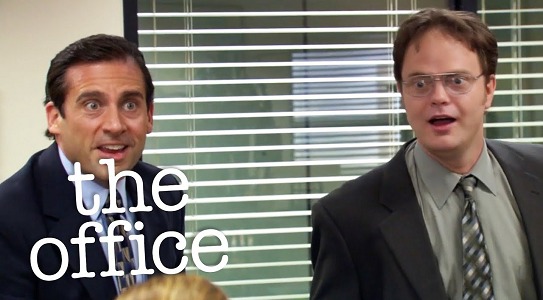
The Office Season 1 vs Later Seasons: Was It Basically a Different Show?
The Office Season 1 vs Later Seasons — Two Completely Different Shows?
If you’ve ever rewatched The Office, you probably noticed something strange. Season 1 feels… different. Not just “early season awkward,” but almost like another show wearing the same costume.
So here’s the big question: Was Season 1 basically a totally different version of The Office?
Short answer?
Kind of, yes.
Long answer? Let’s dive deep — because the story is way more interesting.
The Risky Beginning — When The Office Was Finding Its Identity
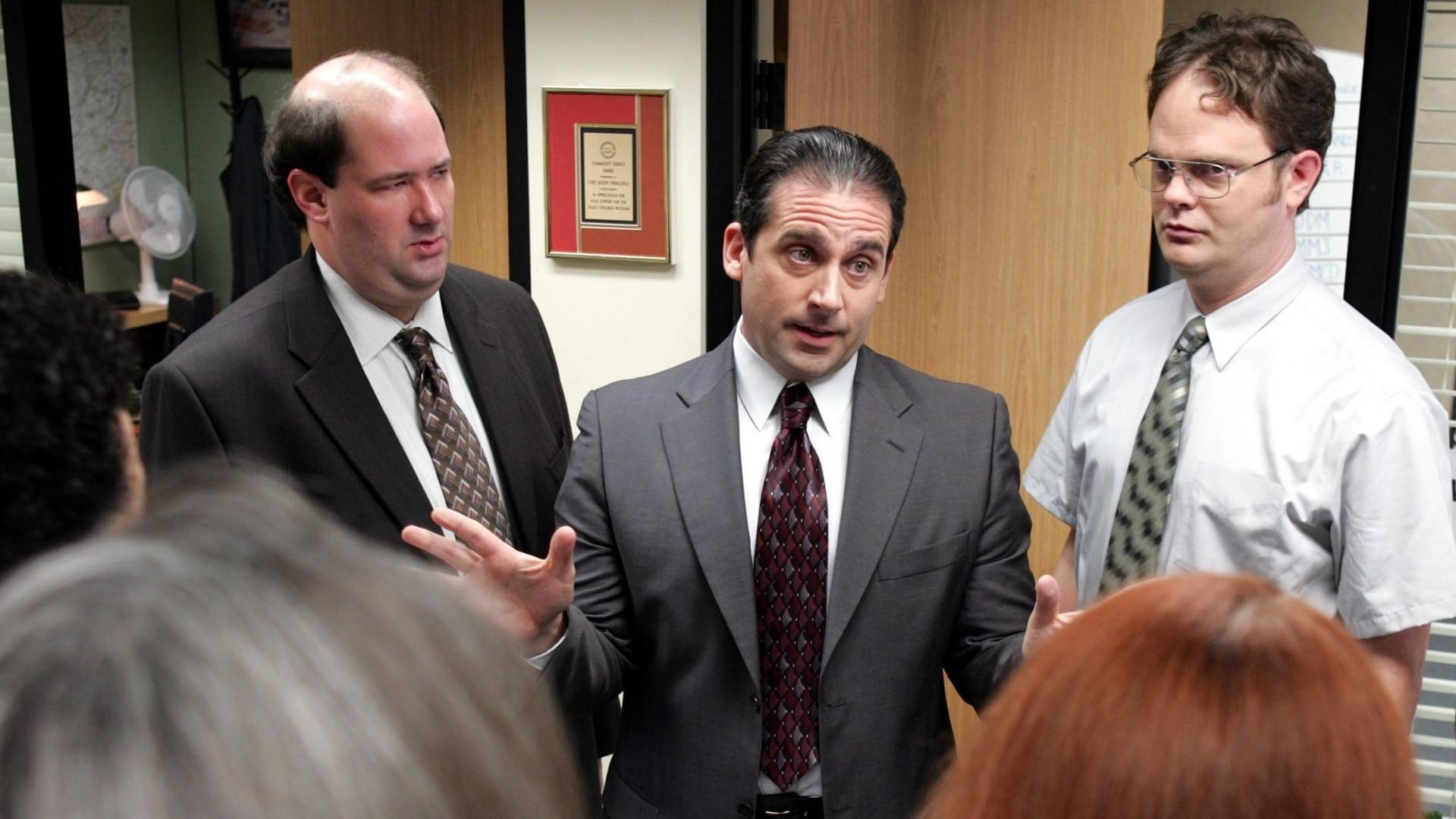
When The Office premiered in 2005, it wasn’t guaranteed to succeed. In fact, Season 1 struggled with ratings and nearly got written off as a failed experiment.
The show averaged only about 5.4 million viewers — not exactly blockbuster numbers.
Why Season 1 Felt So Different
Season 1 had three defining traits:
-
Darker tone
-
Heavier “cringe” comedy
-
Strong influence from the UK original
The pilot was almost copied directly from the British version, and the early episodes stuck closely to that formula.
That worked in the UK — but American audiences wanted something warmer.
The Tone Shift — From Bleak Workplace to Comfort Comedy
The Show Dropped the Bleak Edge
After Season 1, writers made a deliberate change. The tone became more optimistic and less edgy.
The result?
The show exploded in popularity.
Season 1 felt like watching real coworkers you might avoid at lunch.
Later seasons felt like hanging out with weird friends you secretly love.
The Michael Scott Transformation — The Biggest Change of All
Season 1 Michael: Almost Unwatchable
In Season 1, Michael Scott was closer to a straight-up jerk.
He was awkward, selfish, and painfully tone-deaf.
Later Seasons Michael: Lovable Disaster
By Season 2 and beyond, writers added emotional depth and vulnerability.
Episodes started showing:
-
His loneliness
-
His need for approval
-
His accidental kindness
That change alone may have saved the show.
The Cast Became Real People Instead of Comedy Tools
Early Characters Were Sketches
Season 1 characters were simple:
-
Jim = sarcastic guy
-
Pam = shy receptionist
-
Dwight = weird rule follower
Later Characters Had Layers
Later seasons explored:
-
Pam’s confidence journey
-
Jim’s ambition vs comfort
-
Dwight’s loyalty and vulnerability
The show built emotional stakes, not just jokes.
The World Expanded Beyond the Office Walls
Season 1 Felt Small
Mostly desk scenes.
Minimal outside storylines.
Later Seasons Built a Universe
We got:
-
Corporate storylines
-
Side characters with depth
-
Running mysteries and lore
The world felt bigger — and more alive.
Production Quality Changed Dramatically
Early episodes looked raw and documentary-like.
Later seasons:
-
Better lighting
-
Cleaner visuals
-
More polished editing
Even cast members later described Season 1 as visually “drab” compared to later seasons.
The Humor Style Evolved
Season 1 Humor
-
Painful awkwardness
-
Social discomfort
-
Dry realism
Later Humor
-
Absurd situations
-
Emotional storytelling
-
Running character jokes
The show moved from “cringe realism” to “character-driven comedy.”
The Writers Stopped Copying the UK Version
Season 1 leaned heavily on British storytelling structure.
Later seasons let Steve Carell make Michael Scott his own character — and that changed everything.
Why The Change Worked So Well
Here’s the magic formula they discovered:
Relatable + Absurd = Perfect Sitcom Balance
Too real? It feels depressing.
Too silly? It feels fake.
The Office found the sweet spot after Season 1.
The Emotional Heart Arrived in Season 2
This is when the show “fell into gear,” according to cast reflections.
Suddenly:
-
Michael had heart
-
Jim and Pam had real chemistry
-
The office felt like a family
That emotional core kept audiences coming back.
The Show Ultimately Ran for 9 Seasons — Proof the Shift Worked
The series ended in 2013 after nine seasons and over 200 episodes.
That kind of longevity doesn’t happen by accident.
Was Season 1 Bad — Or Just Different?
Here’s the honest answer:
Season 1 isn’t bad.
It’s just… raw.
Think of it like a pilot episode stretched into six episodes.
Necessary.
Experimental.
Slightly uncomfortable.
Why Some Fans Still Love Season 1 Most
Some viewers prefer:
-
The realism
-
The darker humor
-
The UK-style cringe
And honestly? That’s valid.
Season 1 feels like a documentary.
Later seasons feel like a sitcom documentary hybrid.
The Legacy of The Office’s Evolution
The transformation created a blueprint for modern sitcoms:
-
Start grounded
-
Build emotional attachment
-
Expand the world
-
Lean into character-driven comedy
You can see this influence everywhere now.
So… Was It Basically a Different Show?
If we’re being real?
Yes — and no.
Same characters.
Same setting.
Completely evolved tone.
Like watching someone grow from awkward teenager into confident adult.
Conclusion
Season 1 of The Office wasn’t a mistake — it was a foundation. The show started as a near-copy of British cringe comedy, but quickly discovered its own voice. By softening characters, expanding stories, and balancing heart with absurd humor, The Office became one of the most beloved sitcoms ever made.
So was Season 1 a totally different show?
Not exactly.
But it was definitely The Office before it found its soul.