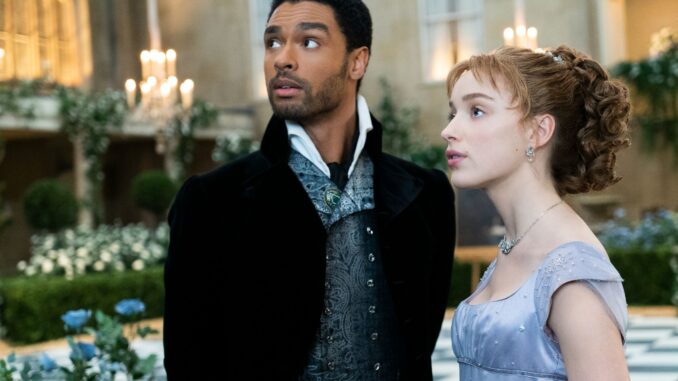
It’s Been Five Years, Please Move On: Why Regé-Jean Page Left Bridgerton and Refuses to Return
Introduction: The Obsession That Won’t Die
It’s been five years. Five. And yet, the conversation around Regé-Jean Page and Bridgerton just won’t rest. Every new season, every casting announcement, every interview—someone inevitably asks the same tired question: “Is Regé-Jean Page coming back?”
Short answer? No.
Long answer? He was never supposed to stay, and the reasons he left are far deeper—and more justified—than many fans want to admit.
This isn’t about arrogance. It isn’t about being “too big” for the show. And it definitely isn’t about ingratitude. The truth boils down to two clear, documented, and completely valid reasons: a one-season contract and racism.
Let’s finally unpack the facts—and maybe, just maybe, put this conversation to rest.
The Meteoric Rise of Bridgerton
How Bridgerton Became a Cultural Phenomenon
When Bridgerton premiered on Netflix in late 2020, no one predicted the tidal wave it would create. The show blended Regency-era romance with modern sensibilities, diverse casting, and Shonda Rhimes’ signature drama. It wasn’t just a hit—it was a global obsession.
Why the Duke of Hastings Stole the Spotlight
At the center of season one was Simon Basset, the Duke of Hastings, played by Regé-Jean Page. His charisma, chemistry with Phoebe Dynevor, and emotional depth made him an instant fan favorite. Overnight, Page became a household name.
And that’s where the trouble began.
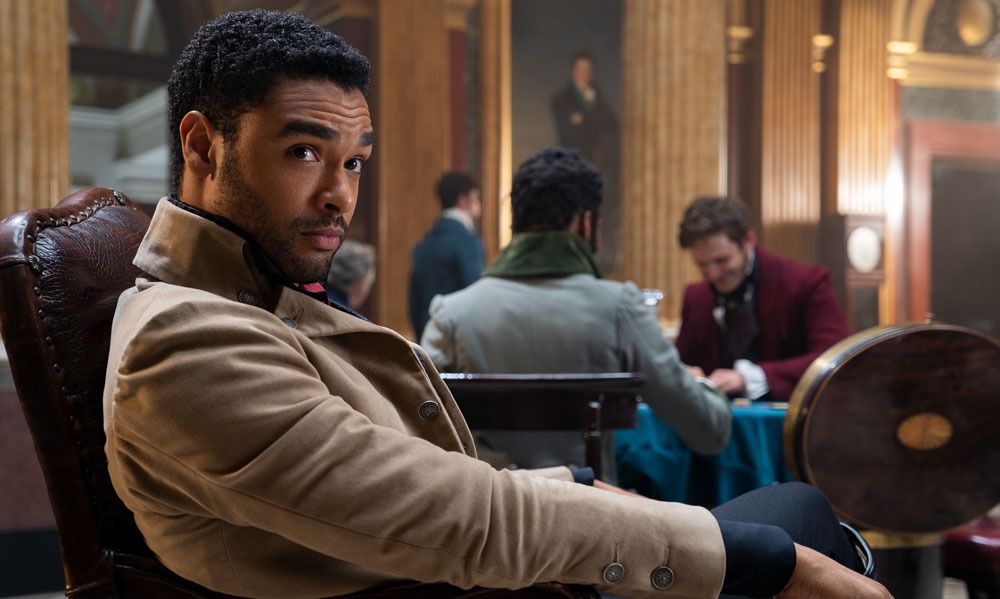
Reason One: Regé-Jean Page Signed a One-Season Contract
The Contract Fans Keep Ignoring
Here’s the part many people conveniently forget: Regé-Jean Page signed a one-season contract in 2019. Period.
The Duke of Hastings was always written as a single-season character, mirroring Julia Quinn’s novels, where each Bridgerton season focuses on a different sibling’s love story. Simon’s arc had a beginning, middle, and end—and it concluded exactly as planned.
Success Didn’t Change the Deal
After season one exploded in popularity, Netflix and the producers asked Page to return for season two. From a business perspective, it made sense. From a contractual standpoint, it did not.
He had fulfilled his obligation. Asking him to stay wasn’t an expectation—it was a request. And he had every right to say no.
Why Saying No Was a Smart Career Move
The Very Real Fear of Typecasting
Actors who play wildly popular characters often struggle to escape them. Think about it—how many performers are forever linked to one role?
Regé-Jean Page understood this risk early. Staying on Bridgerton indefinitely could have locked him into “the Duke” archetype, making it harder to explore diverse roles later.
Choosing Longevity Over Comfort
Walking away from a hit show takes courage. But Page chose long-term career growth over short-term fame. That decision wasn’t reckless—it was strategic.
Reason Two: The Racism Surrounding His Casting
The #NotMyDuke Backlash Explained
Before Bridgerton even aired, a disturbing trend emerged online: #NotMyDuke.
Yes, it trended for months.
The issue? A Black man playing a traditionally white aristocrat. Despite Bridgerton being explicitly fictional and inclusive by design, some viewers reacted with open hostility.
Racism Didn’t End After the Show Premiered
Even after audiences praised the show, the backlash resurfaced in early 2021. The same hashtag returned. The same arguments were recycled. The same thinly veiled racism persisted.
Imagine achieving global success—only to be told repeatedly that you don’t belong.
The Emotional Toll of Public Racism
Success Doesn’t Cancel Trauma
Fame doesn’t erase harm. Money doesn’t neutralize racism. And praise doesn’t undo months of targeted hostility.
Regé-Jean Page wasn’t just facing criticism—he was navigating a racialized discourse questioning his legitimacy, his talent, and his right to occupy space in a genre that historically excluded people like him.
Why Walking Away Was Self-Preservation
Refusing to return wasn’t avoidance—it was boundaries. No role, no matter how beloved, is worth enduring repeated racial abuse.
Debunking the “Ungrateful” Narrative
Why This Criticism Falls Flat
One of the loudest accusations thrown at Page is that he’s “ungrateful.” But grateful for what—enduring racism? Ignoring his contract? Sacrificing his future?
Gratitude does not mean self-erasure.
Honoring the Role Without Being Trapped by It
Regé-Jean Page has consistently spoken respectfully about Bridgerton. He acknowledges its impact on his career. What he refuses to do is let it define him forever.
That’s not arrogance. That’s self-respect.
Why Fans Need to Let Go
The Show Was Never About One Character
Bridgerton was always designed as an ensemble, anthology-style series. Each season highlights a different sibling. Expecting Simon to remain central misunderstands the very structure of the show.
Obsession Can Become Entitlement
At some point, fandom crosses a line. Wanting an actor to return despite their clear boundaries isn’t admiration—it’s entitlement.
Regé-Jean Page’s Career After Bridgerton
Proving He Was Right All Along
Since leaving the show, Page has taken on diverse roles across film and television, demonstrating exactly why avoiding typecasting mattered.
He didn’t disappear. He evolved.
Redefining What Success Looks Like
Success isn’t clinging to the past—it’s building something sustainable. Page chose growth over nostalgia, and that choice continues to pay off.
The Bigger Conversation: Race, Fandom, and Accountability
Why This Story Matters Beyond Bridgerton
This isn’t just about one actor or one show. It’s about how audiences treat performers of color, especially when they occupy spaces traditionally denied to them.
Moving Forward Means Doing Better
Letting go doesn’t mean forgetting. It means learning, respecting boundaries, and allowing actors to exist beyond the roles we love.
Conclusion: It’s Time to Move On—for Real
Regé-Jean Page didn’t abandon Bridgerton. He completed his contract. He didn’t reject fans. He protected his future. And he didn’t “get too big.” He got wise.
He left because he signed a one-season contract, refused to be typecast, and endured racism that no one should have to tolerate.
So yes—it’s been five years.
And yes—it’s time to move on.