Bridgerton Siblings Title and Social Class Ranking – Highest to Lowest
Understanding Social Rank in the Bridgerton Universe
If you’ve watched Bridgerton, you already know that love is only half the story. The other half? Status. Power. Titles. Who bows to whom. Who gets invited to the Queen’s ball — and who waits by the wall.
But here’s the thing: the Bridgerton siblings don’t all stand on equal social ground. Some soar high in aristocratic prestige. Others… well, they’re basically rich commoners with fancy manners.
Let’s break it all down — using real British aristocracy rules and how they apply inside the show.
The Real British Aristocracy Hierarchy (Why It Matters)
Before ranking the siblings, you need the real-world structure.
The Five Official Ranks of British Nobility
From highest to lowest, the peerage goes:
-
Duke
-
Marquess
-
Earl
-
Viscount
-
Baron
Below those are honorary titles like baronet or knight — respected, but not true nobility.
Think of it like a pyramid:
-
Dukes = CEOs
-
Earls = Senior Executives
-
Viscounts = Upper Management
-
Barons = Entry-Level Nobility
And everyone else? Wealthy, but technically commoners.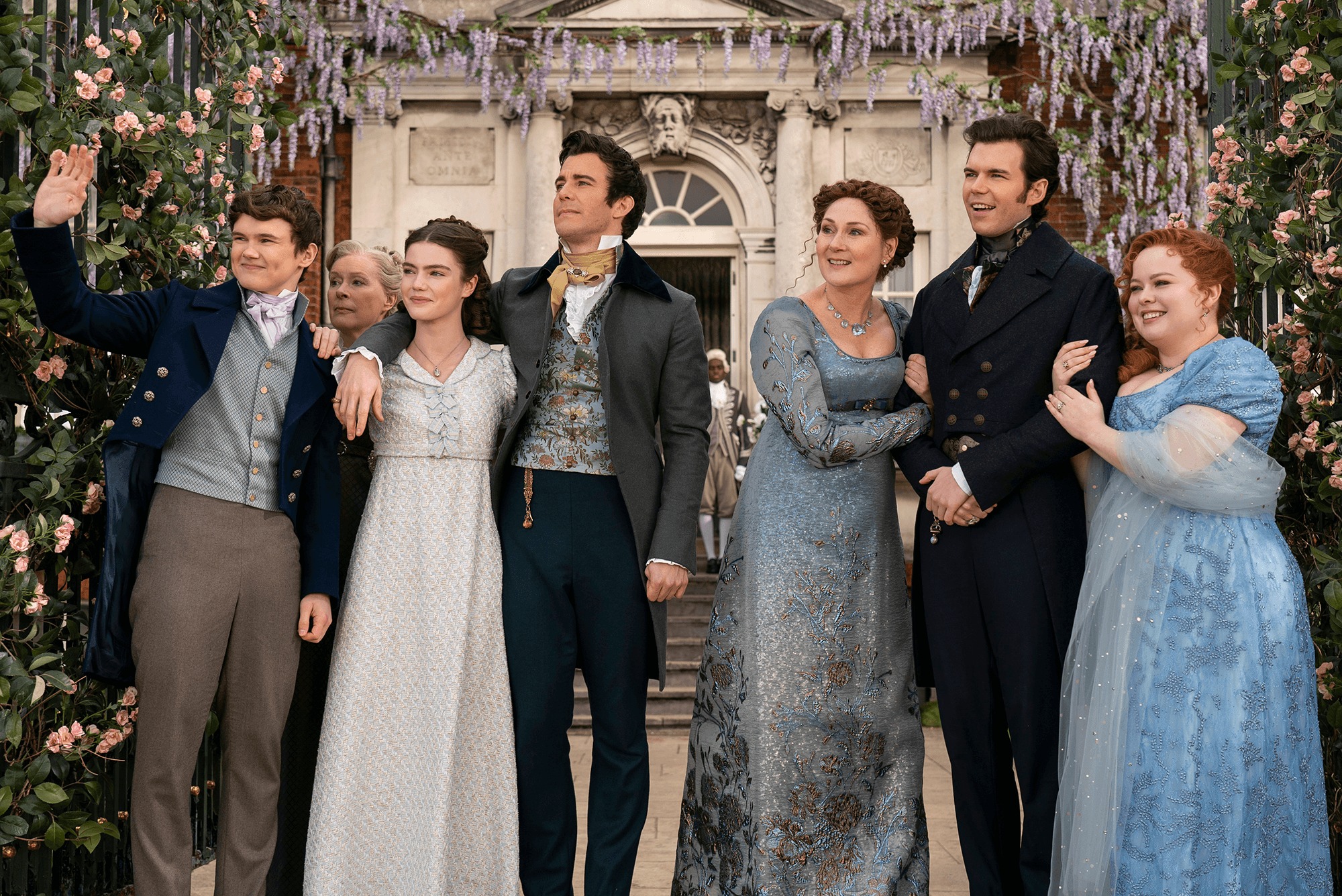
Why Marriage Changes Everything in Bridgerton
In Regency England, marriage wasn’t just romance — it was social elevation.
Titles Pass Through Family and Marriage
Women typically gained titles through marriage.
Men inherited them through birth order.
Example:
-
Anthony = Viscount because he’s firstborn son
-
Younger brothers = No title
This mirrors real peerage inheritance traditions.
Bridgerton Family Starting Status
The Base Rank of the Bridgertons
The family itself sits at:
👉 Viscount level (Anthony)
That means:
-
Anthony = Lord Bridgerton
-
Others = Ladies or Mr./Miss (unless they marry up)
Even without titles, they still sit high in society because they’re children of a viscount.
Bridgerton Siblings Social Ranking – Highest to Lowest
Now for the main event.
#1 Daphne Bridgerton — Duchess (Highest Rank)
Why She’s #1
Daphne marries the Duke of Hastings.
And Duke = highest non-royal noble rank.
What This Means Socially
-
Called “Your Grace”
-
Massive political influence
-
Elite wealth + land ownership
She basically becomes Regency royalty.
#2 Francesca Bridgerton — Countess
Why She Ranks High
Francesca marries an Earl.
Earls sit third in the nobility hierarchy — extremely prestigious.
Social Impact
-
Powerful landed aristocracy
-
Parliamentary influence historically
-
Strong generational wealth
#3 Anthony Bridgerton — Viscount
The Family Power Anchor
Anthony inherits the Viscount title after his father dies.
Viscounts rank below Earls but above Barons.
His Unique Power
-
Controls Bridgerton wealth
-
Head of family
-
Major social authority in the ton
#4 Hyacinth Bridgerton — Baroness (By Marriage)
Why She Lands Here
Baron is lowest peerage rank — but still noble.
Why It Still Matters
-
Direct noble title
-
Landed aristocracy status
-
Above untitled gentry
#5 Eloise Bridgerton — Lady (Untitled Nobility Class)
Why She’s Mid-Tier
She’s high society but technically untitled unless marrying into nobility.
Her Real Advantage
-
Daughter of Viscount
-
Elite education + social connections
-
Guaranteed high marriage prospects
#6 Colin Bridgerton — Gentleman (No Peerage Title)
H3: Social Position Explained
Still upper class — just not noble.
Translation
-
Rich
-
Respected
-
But not aristocratic ruling class
#7 Benedict Bridgerton — Gentleman
H3: Same Rank as Colin
Second sons rarely inherit titles historically.
That’s why he remains Mr. Bridgerton.
#8 Gregory Bridgerton — Gentleman (Youngest Son)
H3: Why He’s Lowest
Youngest sons:
-
No inheritance
-
No title
-
Must marry wealth or earn money
The Hidden Truth — Social Power vs Emotional Power
Here’s where it gets interesting.
Social rank ≠ personal influence.
Anthony controls money.
Daphne controls connections.
Eloise controls ideas.
Power wears many outfits.
Why Regency Society Was Obsessed With Rank
It Controlled Everything
-
Marriage options
-
Political influence
-
Financial security
-
Social invitations
No title? Doors close fast.
How Wealth vs Title Actually Compared
Sometimes wealthy commoners could outspend nobles.
But socially?
Title still won.
Always.
The Ton = Social Game of Thrones
Think of the ton like a leaderboard.
Everyone:
-
Watching
-
Judging
-
Ranking
Every marriage = social chess move.
Birth Order Was Destiny
First son = Title + estate
Second son = Church, army, or trade
Daughters = Strategic marriages
Brutal? Yes.
Accurate? Also yes.
Why Fans Love Ranking the Bridgertons
Because it mixes:
-
Romance fantasy
-
Historical reality
-
Social power drama
And honestly… who doesn’t love a good ranking?
Final Ranking Summary (Simple Version)
H2: Highest to Lowest Social Rank
1️⃣ Daphne — Duchess
2️⃣ Francesca — Countess
3️⃣ Anthony — Viscount
4️⃣ Hyacinth — Baroness (Marriage based)
5️⃣ Eloise — Lady (Untitled Nobility Class)
6️⃣ Colin — Gentleman
7️⃣ Benedict — Gentleman
8️⃣ Gregory — Gentleman
(Community discussions often land on similar interpretations based on titles and marriages.)
Why This Ranking Actually Matters to the Story
Because Bridgerton isn’t just romance.
It’s about:
-
Survival in rigid society
-
Trading freedom for status
-
Love vs duty
And every sibling fights that battle differently.
Conclusion
At first glance, the Bridgertons look equal — same family, same mansion, same last name. But under Regency rules, they live in completely different social worlds.
Daphne rises to near-royal status.
Anthony holds inherited power.
The younger brothers? They live in the shadow of titles they’ll never inherit.
And that tension — between birth, marriage, and personal choice — is exactly why Bridgerton feels so addictive. It’s not just about love stories. It’s about who gets to write their own destiny… and who has to follow society’s script.