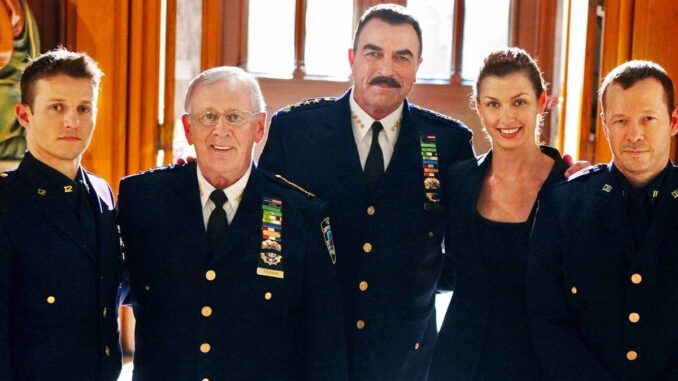
Blue Bloods Cancelled by CBS: Why the Long-Running Series Is Ending With Season 14
After more than a decade of loyalty, family dinners, and moral debates around the Reagan table, CBS has officially cancelled Blue Bloods. The iconic police procedural will conclude in December with Season 14, marking the end of one of the longest-running dramas in modern television history.
Fans are stunned. Cast members are emotional. And the internet? Well, it’s asking the same question on repeat: Why would CBS cancel a show that still pulls strong ratings?
Let’s unpack what really happened, why Blue Bloods mattered so much, and what this goodbye means for network TV as a whole.
Why CBS Cancelled Blue Bloods
A Decision That Shocked Loyal Viewers
On paper, cancelling Blue Bloods makes zero sense. The show consistently ranked among CBS’s top-rated scripted series, especially with older demographics—an audience advertisers still value deeply.
So why pull the plug?
The answer is layered. Think of it like a family argument: no single reason, but a buildup of tensions over time.
Rising Production Costs Behind the Scenes
Long-running shows don’t come cheap. After 14 seasons, salaries increase, contracts become complex, and production costs balloon.
Cast Salaries and Budget Pressure
-
Tom Selleck and the core cast were earning premium pay.
-
CBS reportedly faced tough negotiations over budget reductions.
-
Cutting costs without cutting quality? Nearly impossible.
At some point, CBS had to ask itself: Is this still financially sustainable?

Changing Network Strategy at CBS
CBS is shifting gears—fast.
A Push Toward Younger Audiences
Networks are chasing streaming-friendly, bingeable content. Procedurals like Blue Bloods, while beloved, skew older and don’t always trend online.
CBS wants:
-
Shorter seasons
-
Flashier concepts
-
More crossover streaming appeal
Sadly, Blue Bloods didn’t fit that new mold.
Season 14: The Final Chapter of Blue Bloods
When Will the Final Episodes Air?
CBS confirmed that Season 14 will be split, with the final batch of episodes airing in December. This gives fans time to prepare emotionally—because let’s be honest, it’s going to hurt.
A Proper Send-Off for the Reagan Family
Unlike many abrupt cancellations, Blue Bloods gets something rare: a planned ending.
That means:
-
Storylines will be wrapped with intention
-
Characters will get closure
-
The Reagan family legacy will be honored
No cliffhangers. No loose ends. Just one final salute.
Why Blue Bloods Meant So Much to Fans
More Than a Cop Show
At its core, Blue Bloods wasn’t just about crime. It was about family, tradition, and moral gray areas.
The weekly Reagan family dinner became iconic—a place where politics, faith, and justice collided in honest conversation.
A Show That Respected Its Audience
Blue Bloods never talked down to viewers. It trusted them to think, to disagree, and to reflect.
In an era of flashy twists and shock value, this show chose consistency—and fans loved it for that.
Tom Selleck and the Cast React to the Cancellation
An Emotional Goodbye
Tom Selleck didn’t hide his disappointment. Reports suggest he hoped the show would continue, especially given its ratings strength.
Other cast members echoed similar feelings:
-
Gratitude for the journey
-
Sadness over the ending
-
Pride in what they built together
It’s like saying goodbye to a workplace family—after 14 years, that bond runs deep.
Fan Backlash: Viewers Aren’t Ready to Let Go
Social Media Erupts
As soon as the cancellation news dropped, fans flooded social platforms with:
-
Petitions to save the show
-
Calls for another network or streamer to pick it up
-
Emotional tributes and rewatch threads
The message was loud and clear: This doesn’t feel fair.
Could Blue Bloods Be Saved?
Never say never.
While CBS has closed the door, streaming platforms have revived cancelled shows before. The question is whether the numbers—and the budget—make sense.
For now, though, Season 14 is officially the end.
What the Cancellation Says About Network Television
A Bigger Industry Shift
The end of Blue Bloods isn’t just about one show. It reflects a broader truth:
Traditional network TV is changing.
Long-running procedurals are being phased out in favor of:
-
Limited series
-
Streaming exclusives
-
Faster content cycles
It’s the end of an era—and Blue Bloods is one of its final symbols.
Legacy of Blue Bloods: A Television Staple
Awards, Ratings, and Cultural Impact
Over 14 seasons, Blue Bloods delivered:
-
Millions of weekly viewers
-
Strong syndication value
-
A loyal, multigenerational fanbase
It proved that slow-burn storytelling still works.
Why It Will Be Missed
Because shows like Blue Bloods are rare now. They don’t chase trends. They build trust.
And once that trust is gone? It’s hard to replace.
What’s Next for the Cast and Creators?
New Chapters Ahead
While the show ends, careers don’t.
Expect:
-
New TV and film roles
-
Possible guest appearances in future CBS projects
-
Continued fan engagement long after the finale
The Reagan family may be fictional—but the impact is real.
Final Thoughts: Saying Goodbye to Blue Bloods
The cancellation of Blue Bloods marks more than the end of a TV show. It’s the closing of a chapter in television history—one defined by consistency, character, and quiet strength.
As the final season airs in December, fans will gather one last time. Not just to watch. But to remember.
And maybe—just maybe—to hope this goodbye isn’t forever.