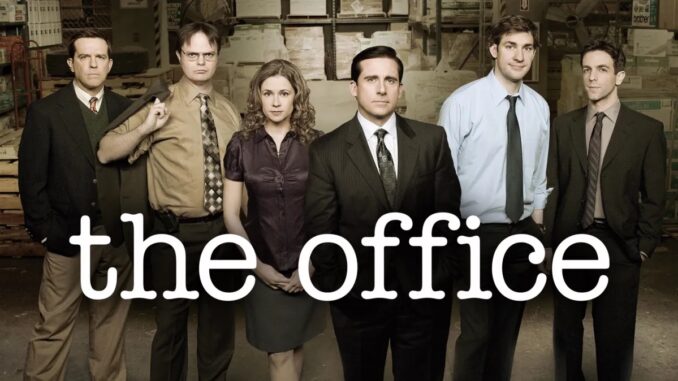
Screen Time of The Office Characters Throughout the Series
The Office isn’t just a sitcom — it’s a cultural phenomenon. From awkward silences to meme-worthy moments, the show thrived on its characters. But here’s a question fans rarely stop to ask: who actually dominated the screen time throughout the series?
You might think you know the answer. But once we break it down season by season, character by character, the results are way more surprising than you’d expect.
Let’s dive into the screen time of The Office characters throughout the entire series, and uncover who truly carried Dunder Mifflin on their backs.
Why Screen Time Matters in The Office
Screen time isn’t just about who appears the most. It shapes:
-
Character development
-
Audience attachment
-
Story direction
-
Meme legacy
In a mockumentary-style show like The Office, screen time often equals influence. The more time a character spends talking to the camera, the more power they hold over the narrative.
Think of screen time as oxygen. Whoever breathes the most… survives the longest in pop culture.
How Screen Time Is Measured Across the Series
Before we rank anyone, let’s get clear on the rules.
What Counts as Screen Time
-
On-screen appearances
-
Speaking roles
-
Talking-head interviews
-
Background presence (when relevant)
What Doesn’t Count
-
Deleted scenes
-
Web-exclusive content
-
Cameos outside the main series
This breakdown covers all 9 seasons, totaling 201 episodes.
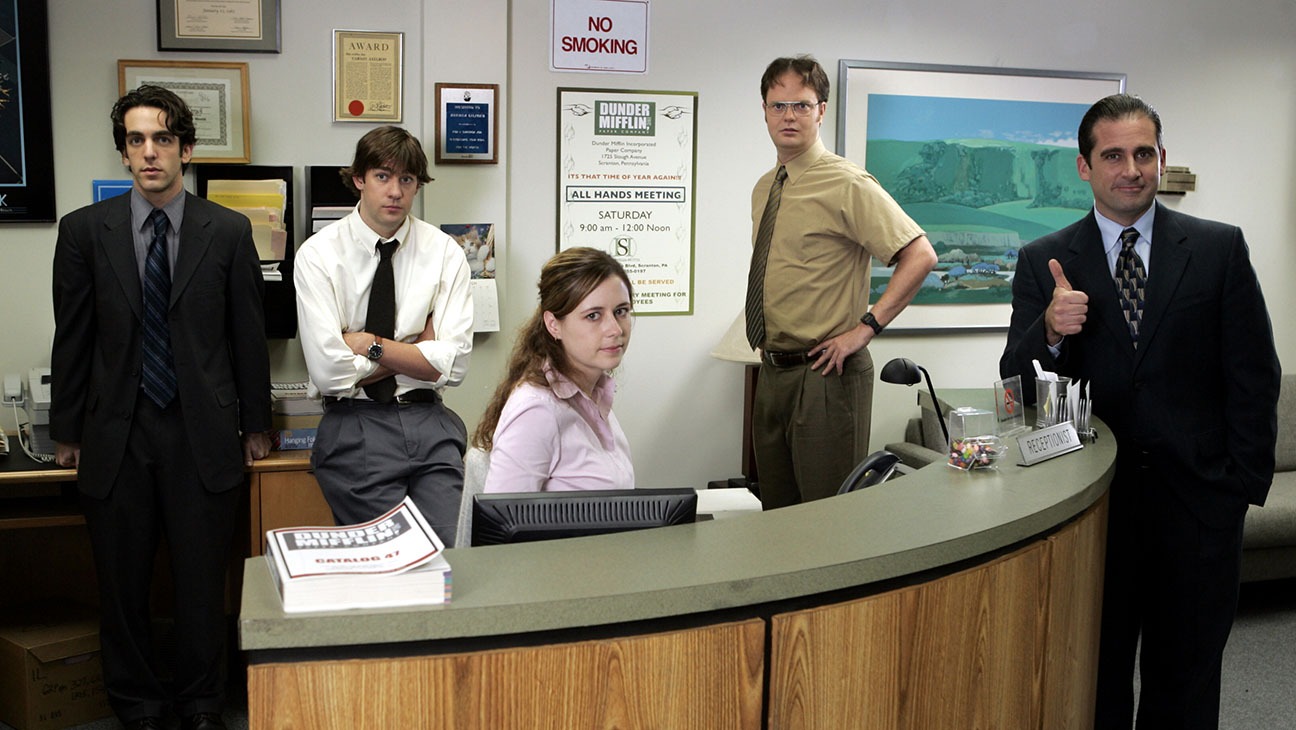
Michael Scott: The Undisputed Screen Time King
Michael Scott’s Total Screen Time
Michael Scott isn’t just the boss — he’s the gravitational center of The Office.
Across seven seasons, Michael dominates:
-
Cold opens
-
Conference room scenes
-
One-on-one cringe moments
-
Emotional finales
No character comes close during his tenure.
Why Michael Scott Had So Much Screen Time
Michael wasn’t written as a side character. He was the show.
-
He drove most plots
-
His mistakes fueled comedy
-
His growth created emotional payoff
Without Michael, the show didn’t collapse — but it definitely shifted.
Jim Halpert: The Audience’s Surrogate
Jim’s Screen Time Evolution
Jim starts as the quiet observer. Over time, he becomes the emotional anchor.
His screen time grows steadily:
-
Heavy talking-head presence
-
Central role in romantic arcs
-
Frequent A-plot involvement
Jim doesn’t shout for attention — he earns it.
Why Jim’s Screen Time Feels Bigger Than It Is
Jim’s reactions are the audience’s reactions. Even when he’s silent, his expressions do half the work.
That’s efficiency at its finest.
Pam Beesly: From Background to Backbone
Pam’s Early Seasons
In the beginning, Pam feels almost invisible.
-
Minimal dialogue
-
Mostly reaction-based scenes
-
Often framed through Jim’s perspective
Pam’s Screen Time Growth
Once Pam steps into her own, her screen time explodes.
-
Career arcs
-
Emotional monologues
-
Relationship conflicts
Pam evolves from supporting character to narrative pillar.
Dwight Schrute: Chaos With Purpose
Dwight’s Consistent Screen Presence
Dwight never steals the spotlight — it follows him.
Across all seasons, Dwight maintains:
-
High dialogue frequency
-
Constant subplot involvement
-
Heavy physical comedy moments
Why Dwight’s Screen Time Works
Dwight balances absurdity with sincerity. You laugh at him… then unexpectedly root for him.
That balance keeps him constantly relevant.
The Post-Michael Era: Screen Time Shake-Up
When Michael leaves, everything changes.
Who Inherits the Screen Time?
No single character replaces Michael. Instead, screen time spreads out:
-
Jim and Pam become emotional leads
-
Dwight rises as a long-term focal point
-
Ensemble storytelling takes over
The show becomes less about one star and more about the office as a whole.
Andy Bernard: The Screen Time Rollercoaster
Andy’s Uneven Presence
Andy’s screen time is wildly inconsistent.
-
Barely visible in early seasons
-
Dominant in Seasons 8 and parts of 9
-
Abrupt character shifts
Why Andy’s Screen Time Divides Fans
More screen time doesn’t always mean better storytelling. Andy’s expanded role remains one of the show’s most debated choices.
Supporting Characters With Surprisingly High Screen Time
Angela Martin
Angela appears more than you think:
-
Frequent reaction shots
-
Office conflict scenes
-
Long-running romantic arcs
Oscar Martinez
Oscar quietly racks up screen time thanks to:
-
Commentary interviews
-
Intellectual contrast
-
Social conflict storylines
Kevin Malone: Less Screen Time, Maximum Impact
Kevin proves one thing: quality beats quantity.
-
Short scenes
-
Minimal dialogue
-
Massive laughs
Every Kevin moment feels intentional — like dessert after a heavy meal.
Creed Bratton: The King of Minimalism
Why Creed’s Screen Time Feels Iconic
Creed barely appears, yet somehow steals episodes.
That’s because:
-
His lines are unpredictable
-
His mystery is never explained
-
His presence breaks reality
Creed is proof that screen time isn’t everything — timing is.
Screen Time by Department Breakdown
Sales Department
-
Jim
-
Dwight
-
Phyllis
-
Stanley
Sales dominates screen time due to constant client-based plots.
Accounting Department
Angela, Oscar, and Kevin collectively appear often but rarely drive A-plots.
Reception and Annex
Pam and the annex crew balance emotional weight with background realism.
Talking Head Interviews: A Hidden Screen Time Boost
Talking heads matter more than you think.
Characters like:
-
Jim
-
Pam
-
Michael
-
Dwight
Gain extra visibility through interviews, even when not central to scenes.
Characters With Low Screen Time but High Fan Love
Toby Flenderson
Low dialogue, high emotional presence.
Stanley Hudson
Minimal scenes, maximum attitude.
Sometimes less screen time makes characters feel more real — like coworkers you don’t know well but still respect.
How Screen Time Shapes Fan Perception
Fans often confuse:
-
Popularity
-
Meme frequency
-
Quotability
With actual screen time.
But when you look closely, the numbers tell a more nuanced story.
Final Screen Time Hierarchy (Overall Impression)
While exact minutes vary by analysis, the general ranking looks like this:
-
Michael Scott
-
Jim Halpert
-
Pam Beesly
-
Dwight Schrute
-
Andy Bernard
-
Angela Martin
-
Oscar Martinez
-
Kevin Malone
-
Phyllis Lapin
-
Creed Bratton
Conclusion: Who Really Owned The Office?
Screen time reveals what fans often feel but can’t always explain. The Office wasn’t powered by one character forever — it evolved.
Michael Scott lit the fire.
Jim and Pam kept it warm.
Dwight made sure it never went out.
In the end, The Office succeeded because it understood one simple truth: people don’t fall in love with plots — they fall in love with faces, voices, and moments.