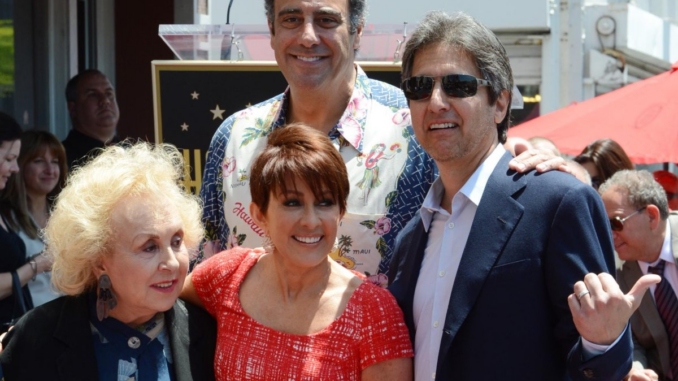
When “No” Is the Most Powerful Answer
In a television era obsessed with reboots, remakes, and nostalgic revivals, one beloved sitcom stands firm in its finality.
Everybody Loves Raymond will not return.
At least, not if creator Phil Rosenthal has anything to say about it.
While networks continue to mine the past for familiar gold, Rosenthal has made it clear: there will be no reboot, no remake, no reimagined version of the Barone family chaos.
And honestly? His reasoning might make you respect the show even more.
Let’s unpack why this iconic family sitcom remains untouched — and why that decision may be the smartest move in modern television.
The Golden Age of Sitcom Reboots
We’re living in the age of nostalgia.
Old shows return with new casts. Spin-offs emerge decades later. Streaming platforms resurrect long-canceled favorites.
Why? Because nostalgia sells.
Audiences crave comfort. Familiar characters feel like old friends knocking on the door after years away.
But not every show fits the reboot mold.
And Phil Rosenthal knows that.
Phil Rosenthal’s Firm Stance on No Revival
Rosenthal has publicly ruled out any reboot or remake of Everybody Loves Raymond.
His message is clear: the story is complete.
No cliffhanger. No unresolved tension. No dangling plotlines waiting for another season.
The Barone family arc ended naturally after nine successful seasons. Bringing it back, he argues, would dilute what made it special.
And that’s a bold statement in a world chasing trends.
Why Everybody Loves Raymond Worked So Well
To understand Rosenthal’s decision, you have to revisit what made the show extraordinary.
It wasn’t flashy.
It didn’t rely on gimmicks or outrageous twists.
Instead, it thrived on the everyday friction of family life — marriage misunderstandings, sibling rivalry, and the eternal tension between in-laws.
The humor felt lived-in. Authentic. Slightly uncomfortable in the best way.
That kind of chemistry can’t simply be rebooted.
The Missing Pieces That Make a Reboot Impossible
There’s also a deeply emotional reason behind Rosenthal’s refusal.
Two core cast members — Peter Boyle (Frank Barone) and Doris Roberts (Marie Barone) — have passed away.
Their performances were not replaceable.
Frank’s gruff sarcasm. Marie’s overbearing love. Those dynamics weren’t accessories to the show — they were its backbone.
Without them, the foundation changes.
And Rosenthal understands that you can’t rebuild a house without its pillars.
The Risk of Tarnishing a Perfect Legacy
Some shows return and thrive.
Others come back… and stumble.
A reboot risks altering audience perception. It could weaken the legacy of a sitcom that ended gracefully.
Rosenthal appears to believe in leaving well enough alone.
When something works, sometimes the bravest move is to preserve it — not modernize it.
Creative Integrity Over Commercial Opportunity
Let’s be honest: a reboot would likely generate significant buzz.
Streaming platforms would compete. Fans would tune in out of curiosity. Headlines would explode.
But Rosenthal isn’t chasing the easy win.
He’s choosing creative integrity over commercial gain.
And in today’s entertainment climate, that’s refreshing.
The Emotional Weight of Original Cast Chemistry
Sitcom magic often lies in timing.
The way Ray Romano delivered a line.
The way Patricia Heaton rolled her eyes.
The way Brad Garrett’s towering presence amplified sibling rivalry.
That rhythm was built over years.
You can’t manufacture that chemistry on demand.
Even if the original cast reunited, time changes people — and energy.
The Cultural Impact of Everybody Loves Raymond
The series wasn’t just a ratings success.
It reshaped family comedy.
It presented marriage as messy but loving. Parenting as imperfect but sincere.
The show won multiple Emmy Awards and earned critical acclaim because it reflected reality through humor.
That cultural footprint doesn’t require a reboot to stay relevant.
Why Nostalgia Doesn’t Always Need a Sequel
We often assume nostalgia must evolve.
But sometimes nostalgia works best when it remains untouched — like a photograph in a frame.
You revisit it. You smile. You remember.
You don’t redraw it.
Rosenthal seems to believe that Everybody Loves Raymond is exactly that kind of memory.
Modern Sitcoms vs. Classic Family Comedy
Television has shifted dramatically since the show ended in 2005.
Today’s comedies move faster. They’re edgier. They experiment with format and tone.
Would Raymond’s slow-burn humor translate in the same way today?
Maybe. Maybe not.
Rosenthal likely understands that cultural timing plays a role in success.
And lightning rarely strikes twice.
The Final Episode Was a True Ending
Some series conclude abruptly. Others leave doors open.
Everybody Loves Raymond did neither.
Its finale wrapped up naturally. Life continued — just off-screen.
No dramatic farewell. No forced cliffhanger.
Just a quiet reminder that family life goes on.
That ending feels complete. And completeness doesn’t demand continuation.
Fans’ Reactions to the No-Reboot News
When Rosenthal ruled out a revival, reactions were mixed.
Some fans felt disappointed.
Others felt relieved.
Many expressed respect for the decision, agreeing that certain shows deserve preservation rather than reinvention.
In a strange way, saying “no” protected the show’s dignity.
Could a Reunion Special Ever Happen?
While Rosenthal has dismissed a full reboot or remake, occasional reunions or cast gatherings for interviews remain possible.
But a scripted revival?
Highly unlikely.
And perhaps that’s for the best.
Reunions celebrate history. Reboots attempt to rewrite it.
There’s a difference.
Lessons From Other Sitcom Revivals
Television history offers examples on both sides.
Some revivals capture lightning again.
Others struggle to match their former brilliance.
Rosenthal likely observes those outcomes and sees the risk.
Why gamble with a legacy when you can protect it?
Phil Rosenthal’s Philosophy on Storytelling
Rosenthal has always emphasized authenticity.
His work thrives on relatable storytelling grounded in real life.
A reboot would require new conflicts, new arcs, new dynamics.
But forcing new tension into a concluded narrative might feel artificial.
For a creator who values truth in comedy, that may feel wrong.
Why the Show Remains Timeless Without a Revival
You can still stream it.
You can still quote it.
You can still laugh at Marie’s meddling and Ray’s immaturity.
The show lives on — not through reinvention, but through replay.
And sometimes that’s enough.
The Beauty of Knowing When to Stop
There’s power in restraint.
In knowing when a story has been fully told.
Phil Rosenthal’s refusal to reboot Everybody Loves Raymond isn’t a rejection of fans.
It’s a protection of memory.
He’s choosing legacy over novelty.
And that choice speaks volumes.
Conclusion: Preserving a Sitcom Legacy the Right Way
In a world hungry for reboots, Phil Rosenthal’s decision to rule out an Everybody Loves Raymond revival stands out.
It reflects confidence in the original series.
It honors the cast members who shaped its success.
And it respects the integrity of storytelling.
Sometimes, loving something means letting it remain exactly as it was.
And maybe that’s why everybody still loves Raymond.
Frequently Asked Questions (FAQs)
1. Has Phil Rosenthal officially ruled out a reboot?
Yes, the creator has made it clear that there are no plans for a reboot or remake of the series.
2. Why won’t Everybody Loves Raymond return?
Rosenthal believes the story concluded naturally and that key cast members who have passed away cannot be replaced.
3. Could a reunion special still happen?
While a scripted reboot seems unlikely, cast reunions for interviews or special appearances remain possible.
4. How long did Everybody Loves Raymond run?
The series aired for nine seasons from 1996 to 2005.
5. Why does the show remain popular today?
Its relatable humor, strong cast chemistry, and authentic portrayal of family life continue to resonate with audiences.