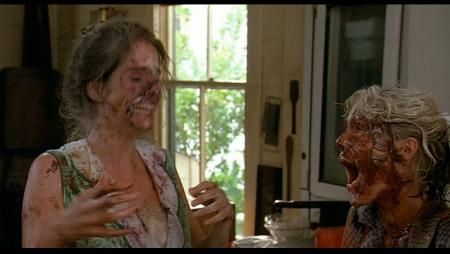
More than three decades after its release, Fried Green Tomatoes continues to be celebrated as a heartwarming Southern drama about friendship, resilience, and female empowerment. Yet beneath its nostalgic tone lies one of the most talked about and controversial moments in the film: the shocking implication that Frank Bennett’s body was cooked and served as barbecue at the Whistle Stop Cafe.
This dark twist, often referred to online as the “human meat scene” in Fried Green Tomatoes, remains one of the most debated elements of the movie.
What Happens to Frank Bennett in Fried Green Tomatoes
In the film, Frank Bennett is portrayed as an abusive and violent character. After he attempts to take Ruth’s child, he disappears under mysterious circumstances. Later, it is strongly implied that Frank was killed and that his body may have been used in the café’s barbecue.
The film never shows anything explicitly. Instead, it relies on suggestion and dark humor. A memorable line delivered to investigating officers hints at the gruesome possibility without directly confirming it. This indirect approach allows the film to maintain its emotional warmth while planting a disturbing idea in the audience’s mind.
Why the Scene Was So Controversial
At first glance, Fried Green Tomatoes feels like a nostalgic, uplifting story about friendship in the American South. The warm color palette, sentimental soundtrack, and heartfelt performances create a comforting atmosphere.
That is precisely why the Frank Bennett barbecue implication feels so shocking. Viewers are not expecting such a macabre twist in a film marketed as a feel good drama. The contrast between cozy storytelling and cannibalism subtext intensifies the impact.

Many audiences have described the moment as both darkly humorous and deeply unsettling. For some, it adds a layer of bold storytelling. For others, it feels disturbing and out of place within the film’s gentle tone.
Dark Humor in Fried Green Tomatoes
The “human meat” implication is handled through black comedy rather than horror. The film avoids graphic imagery and focuses instead on suggestion, reaction shots, and ironic dialogue.
This storytelling choice reflects a tradition of Southern Gothic narrative, where violence and grotesque elements are often intertwined with humor and charm. By refusing to show explicit details, the movie allows viewers to fill in the blanks, which can make the scene even more powerful.
The lack of visual confirmation also gives audiences room to interpret whether the implication is literal or exaggerated within the storytelling framework.
Audience Reactions Then and Now
When Fried Green Tomatoes was released in 1991, some viewers were surprised by the twist but accepted it as part of the film’s quirky tone. Over time, however, online discussions have revived interest in the scene.
Modern audiences, revisiting the movie through streaming platforms, often express shock that such a dark plot point exists in what many consider a comforting classic. Social media discussions frequently describe it as one of the most unexpected twists in 1990s cinema.
At the same time, many fans defend the narrative choice, arguing that Frank’s fate symbolizes justice against abuse and reinforces the film’s themes of loyalty and protection.

How the Scene Fits Into the Film’s Themes
Despite its shocking nature, the Frank Bennett twist serves a narrative purpose. His character represents cruelty and domestic violence. His disappearance removes a threat to Ruth and her child, reinforcing the bond between the women at the heart of the story.
Rather than glorifying violence, the film frames the event as an act of protection and survival. The dark humor softens the horror while emphasizing solidarity and empowerment.
Still, the moral ambiguity of serving barbecue potentially made from a human body continues to provoke discussion about tone and genre blending.
Why the “Human Meat” Scene Still Sparks Debate
The reason this scene remains controversial is simple. Fried Green Tomatoes presents itself as a nostalgic drama, yet it contains a moment that feels closer to a Southern Gothic thriller.
That tonal contrast creates lasting impact. Some viewers see it as daring and memorable storytelling. Others view it as an unsettling element that clashes with the film’s warmth.
Regardless of perspective, the Frank Bennett barbecue implication has become one of the most searched and discussed aspects of the movie. It proves that even the most comforting classics can hide shocking twists beneath their surface.
More than 30 years later, the “human meat” scene in Fried Green Tomatoes continues to surprise new audiences and fuel debates about dark humor, justice, and storytelling choices in mainstream cinema.