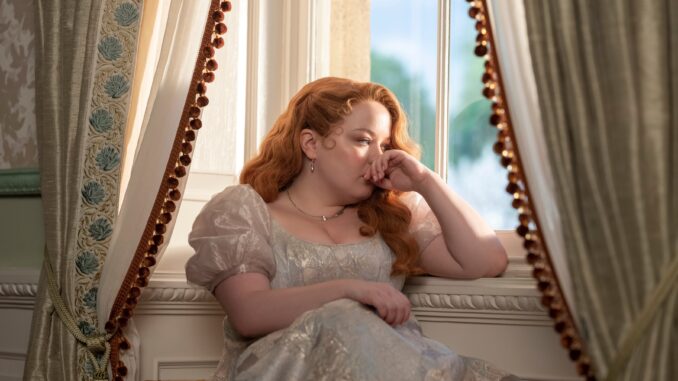
Nicola Coughlan’s Bold ‘Bridgerton’ Season 3 Scene: A Powerful Response to Body Shamers
Introduction: A Scene That Sparked a Cultural Conversation
When Bridgerton Season 3 arrived, fans expected romance, drama, and swoon-worthy moments. What many didn’t expect was a cultural reset. Nicola Coughlan, who plays Penelope Featherington, made headlines after revealing that she specifically asked to be “very naked” in a key scene. Why? As a direct, unapologetic “F— you” to body shamers.
That statement alone sent shockwaves across social media.
But here’s the thing—this wasn’t about shock value. It wasn’t about scandal. It was about ownership. Confidence. And rewriting a narrative that has haunted Hollywood for decades.
Let’s unpack why this moment matters so much—and why it’s bigger than a single scene.
The Evolution of Penelope Featherington in ‘Bridgerton’
From Wallflower to Woman in Control
For two seasons, Penelope Featherington was underestimated. She stood quietly at the edges of ballrooms, hiding secrets and swallowing insecurities. But Season 3? That’s her season.
And growth isn’t just emotional. It’s physical. It’s visible. It’s unapologetic.
Nicola Coughlan understood that Penelope’s transformation had to feel authentic. Not filtered. Not disguised. Not softened to fit unrealistic beauty standards.
Why Nicola Coughlan Requested the Scene
A Deliberate Creative Choice
Nicola didn’t stumble into this moment. She asked for it.
She explained that she wanted to remember “how hot I f—ing looked.” That sentence alone reframes everything. Instead of being objectified, she claimed authorship. Instead of hiding, she stepped into the light.
It wasn’t about nudity for nudity’s sake. It was about power.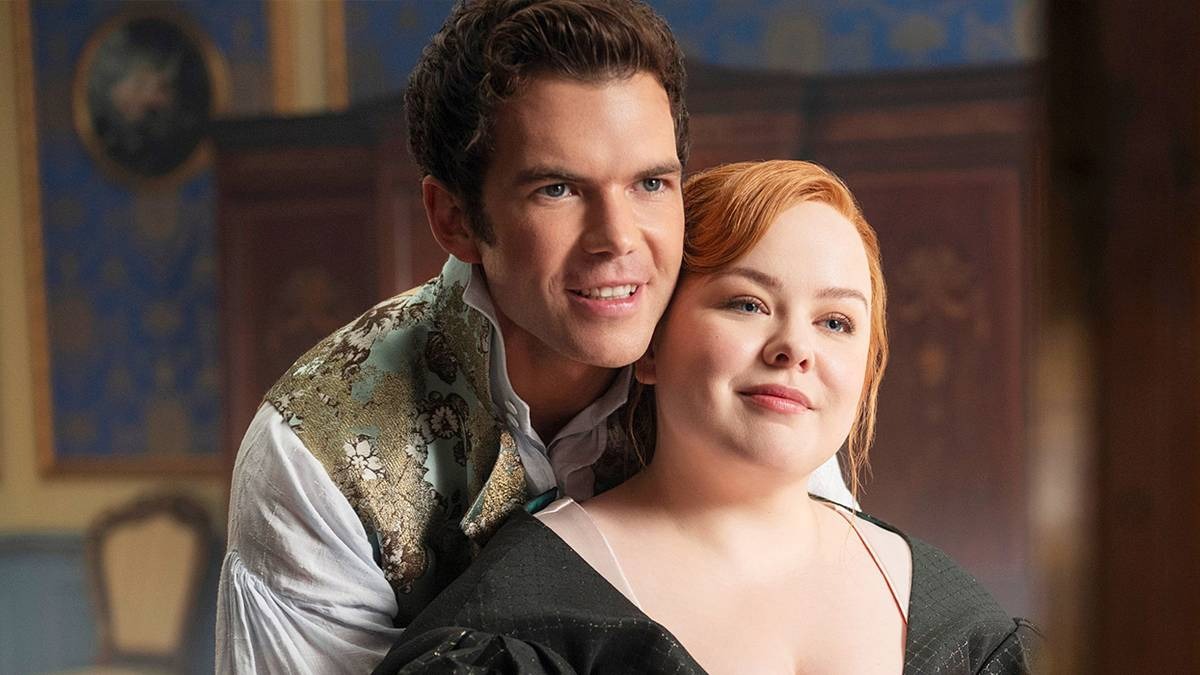
Reclaiming the Narrative
For years, critics have commented on Nicola’s body. Online trolls dissected her appearance. Media outlets framed her as “brave” simply for existing in her own skin.
Enough was enough.
By choosing to appear “very naked” on her own terms, Nicola flipped the script. It wasn’t vulnerability forced upon her. It was confidence declared.
Body Shaming in Hollywood: The Unspoken Epidemic
The Impossible Beauty Standard
Let’s be honest—Hollywood has a narrow lens. For decades, leading ladies were expected to fit a specific mold: tall, ultra-thin, and symmetrical in every way.
Anyone outside that box? Labeled “different.”
Nicola Coughlan challenges that standard simply by thriving as a romantic lead.
Why This Moment Feels Revolutionary
We’ve seen nude scenes before. But rarely do we see them framed as empowerment against body shaming.
It’s like watching someone take the insults thrown at them and build a throne out of them.
Confidence as Protest
Turning Criticism Into Fuel
When someone tells you that you shouldn’t be seen, what’s the boldest response?
To step into the spotlight.
Nicola’s decision wasn’t subtle. It was intentional. She wanted the moment to live forever on screen—a reminder to herself that she looked incredible and didn’t need anyone’s permission to feel that way.
That’s not vanity. That’s defiance.
The Psychology Behind Owning Your Image
There’s something powerful about choosing how you’re seen. When that choice is yours, vulnerability transforms into strength.
It’s like jumping into cold water voluntarily. It shocks you at first—but then you realize you’re in control.
How ‘Bridgerton’ Season 3 Redefines Romantic Leads
Breaking the Size Stereotype
Historically, period dramas have celebrated one body type. Corseted, delicate, porcelain-like figures.
Penelope’s love story challenges that.
She isn’t the side character anymore. She’s the main event. And the camera treats her that way.
Representation That Feels Real
When audiences see someone who looks like them portrayed as desirable, wanted, and adored—it shifts something internally.
Representation isn’t a buzzword. It’s validation.
The Social Media Explosion
Fans Applaud the Bold Move
The internet did what it does best—it reacted.
But instead of criticism, much of the conversation centered around praise. Fans called the moment empowering. Liberating. Iconic.
That tells you something important: audiences are ready for change.
Shutting Down the Trolls
Of course, trolls still exist. They always will.
But the difference this time? The narrative wasn’t controlled by them. Nicola’s statement was loud enough to drown out the noise.
Why This Isn’t About Shock Value
Context Matters
In storytelling, intimacy serves a purpose. In Bridgerton, romance drives the plot. Emotional vulnerability often mirrors physical vulnerability.
Nicola’s scene wasn’t random. It aligned with Penelope’s journey—stepping out from behind secrets and into honesty.
Artistic Intent vs. Exploitation
There’s a difference between being exposed and choosing exposure.
Nicola chose.
That distinction changes everything.
The Double Standard Women Face
Confidence vs. “Arrogance”
When women celebrate their bodies, critics often label them as attention-seeking. When they hide, they’re called insecure.
It’s a no-win scenario.
Nicola sidestepped the trap by ignoring the rulebook entirely.
Owning Desire on Screen
Male actors frequently appear shirtless without controversy. It’s considered normal. Expected, even.
But when a woman outside conventional beauty standards does the same? Headlines erupt.
That reaction says more about society than about her.
The Cultural Impact Beyond ‘Bridgerton’
A Ripple Effect in Television
Moments like this create momentum. Casting directors notice. Writers notice. Networks notice.
When audiences respond positively to diverse representation, industries adapt.
Inspiring Everyday Confidence
You don’t need a Netflix series to relate to this.
Think about it. How often do we avoid photos? Hide parts of ourselves? Wait until we “look better” to celebrate?
Nicola’s mindset flips that. Celebrate now. Because now is real.
Self-Love as a Radical Act
Why Remembering “How Hot I Looked” Matters
That quote isn’t shallow. It’s deeply human.
So many of us look back at old photos and think, “I didn’t realize how good I looked then.”
Nicola refused to wait for hindsight.
She wanted proof—on screen—that she felt powerful in that moment.
Confidence Is Contagious
When someone publicly embraces themselves, it gives others permission to do the same.
It’s like lighting a candle in a dark room. Suddenly, everyone can see a little clearer.
The Business Side of Bold Choices
Authenticity Drives Engagement
Let’s talk strategy for a second.
Authentic moments generate conversation. Conversation drives visibility. Visibility fuels cultural relevance.
Nicola’s honesty amplified Bridgerton Season 3 in ways marketing budgets alone couldn’t.
Personal Branding in the Streaming Era
Actors today aren’t just performers—they’re brands.
By openly addressing body shaming, Nicola strengthens her identity as fearless and genuine. That authenticity resonates deeply with modern audiences.
What This Means for the Future of Representation
Expanding the Definition of “Desirable”
Desirability isn’t one shape. One size. One silhouette.
Every time mainstream media broadens that definition, it chips away at decades of limitation.
A Step Toward Inclusive Storytelling
True inclusion isn’t background diversity. It’s center-stage storytelling.
Penelope’s love story proves that audiences crave layered, authentic characters—not cookie-cutter perfection.
A Personal Reflection: Why This Moment Feels Different
You can tell when something is performative. This didn’t feel that way.
Nicola’s words weren’t polished PR lines. They were raw. Emotional. Real.
And maybe that’s why they hit so hard.
It wasn’t just about being seen. It was about being seen without apology.
Conclusion: More Than a Scene—A Statement
Nicola Coughlan’s decision to be “very naked” in Bridgerton Season 3 wasn’t about provocation. It was about reclamation.
In a world quick to critique women’s bodies, she chose celebration. In an industry obsessed with narrow ideals, she chose authenticity.
And perhaps most importantly, she did it on her own terms.
That’s the real headline.
Not nudity. Not controversy.
Ownership.