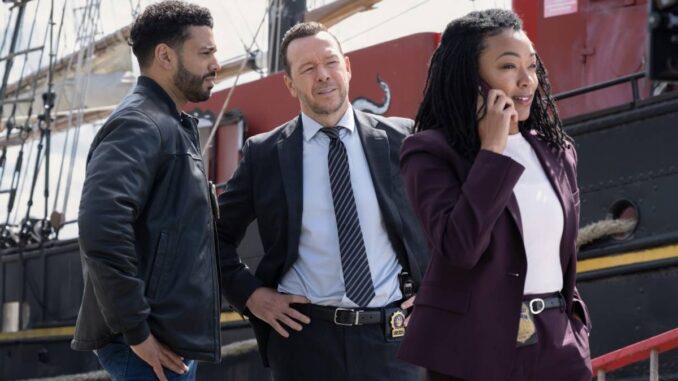
When Boston Blue was first announced, many fans assumed the series would be filmed on location in the city that inspired its name. After all, authenticity has long been a selling point for crime dramas rooted in specific places. But as production details emerged, it became clear that the show would not actually be shot in Boston. So why not?
The answer comes down to a mix of logistics, finances, and industry strategy.
First and foremost: tax incentives. Film and television productions often choose locations based on state and provincial tax credits. Cities like Toronto, Vancouver, Atlanta, and Chicago have built thriving production hubs by offering competitive incentives that significantly lower overall costs. If another city can convincingly double for Boston while offering stronger financial advantages, studios almost always follow the numbers.
Second, infrastructure matters. Established production centers already have soundstages, crew networks, equipment vendors, and streamlined permitting systems in place. Relocating to a city without that same depth of infrastructure can increase both expenses and production time. Even if Boston provides visual authenticity, another city may provide operational efficiency.
There’s also the issue of flexibility. Shooting on real city streets can be unpredictable and expensive. Traffic control, weather disruptions, and public access restrictions can complicate filming schedules. Many productions opt to build partial sets on soundstages and capture exterior establishing shots in the actual city to maintain the illusion. This hybrid approach allows for creative control without sacrificing the show’s geographic identity.
Another factor is precedent. Many well-known “Boston-set” films and series have been filmed elsewhere for years. Audiences rarely notice the difference if the production design, accents, and storytelling sell the environment convincingly. Modern cinematography and digital set extensions make it easier than ever to replicate cityscapes.
That said, the decision isn’t without controversy. Some fans argue that filming outside Boston undermines authenticity—particularly for a series tied to the legacy of Blue Bloods, which leaned heavily into its New York roots. For them, the city isn’t just a backdrop; it’s a character.
However, authenticity isn’t solely about geography. Strong writing, cultural nuance, and detailed production design can recreate the spirit of Boston even if cameras roll hundreds of miles away.
Ultimately, the choice not to film Boston Blue in Boston reflects the realities of modern television economics. It’s less about abandoning the city and more about balancing creative ambition with financial sustainability.
The real question now isn’t where it’s filmed—it’s whether the series can capture the grit, tradition, and character that viewers associate with Boston itself.
If you’d like, I can also explore how other “Boston-based” shows handled filming locations, break down how tax incentives shape TV production, or analyze whether location authenticity impacts audience reception.