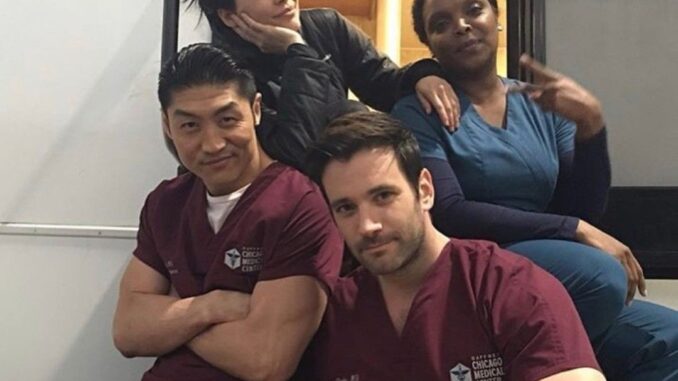
If you’re a loyal #OneChicago fan, Wednesday nights usually mean one thing: an uninterrupted block of adrenaline, heartbreak, and high-stakes drama across Chicago Fire, Chicago Med, and Chicago P.D.. So when you tune in and find reruns — or something completely different — it can feel abrupt.
But one of the biggest reasons for these interruptions has less to do with the franchise itself and more to do with the larger television landscape.
Major Television Events Often Take Priority
Broadcast networks like NBC operate in a highly competitive environment. Unlike streaming platforms, which can drop episodes anytime, traditional networks must carefully manage their primetime real estate. When a major live event is scheduled, regular programming — even powerhouse franchises like One Chicago — may temporarily step aside.
Live events are especially valuable because they draw massive real-time audiences. Award shows, sports championships, holiday specials, political coverage, and nationally televised events often generate higher same-night ratings than scripted dramas. Advertisers pay a premium for these broadcasts, making them financially strategic for networks.
For example, large-scale sports coverage — such as NFL games, the Olympics, or playoff events — can dominate primetime schedules. Similarly, awards ceremonies or special live productions can take over an entire evening. When that happens, Wednesday night dramas are often pushed back by a week.
Importantly, this isn’t a reflection of declining popularity. In fact, the opposite is often true. NBC typically avoids airing new One Chicago episodes against programming that could significantly divide the audience. Rather than risk lower ratings due to tough competition, the network may opt to hold episodes until a clearer night.
There’s also the matter of momentum. Midseason cliffhangers, major character arcs, and crossover events perform best when viewers are fully engaged. Airing a crucial episode opposite a nationally watched event could dilute its impact. By strategically pausing, NBC ensures that pivotal storylines land when the largest portion of the fanbase is available to watch live.
Another key factor is seasonal programming patterns. Broadcast television traditionally follows a fall-to-spring schedule, with intentional breaks around holidays like Thanksgiving, Christmas, and early January. These periods often see lower live viewership due to travel and family gatherings. Rather than “burn off” new episodes during quieter weeks, networks preserve them for February, March, and May sweeps — times when ratings measurement becomes especially important.
Production timelines also play a role. Filming network dramas is an intensive process. Planned breaks allow production teams time to complete post-production, finalize episodes, and maintain quality. Instead of rushing content to meet a rigid weekly release, networks build in breathing room.
The good news? These pauses almost never signal cancellation or creative trouble. The One Chicago franchise remains one of NBC’s most consistent Wednesday-night anchors. When episodes pause midseason, it’s usually part of a long-term ratings strategy — not a warning sign.
So if your usual Windy City routine suddenly disappears from the schedule, take it as a temporary intermission, not a goodbye. In most cases, your favorite firefighters, doctors, and detectives are simply waiting for the right moment to return — and when they do, the drama will pick up exactly where it left off.