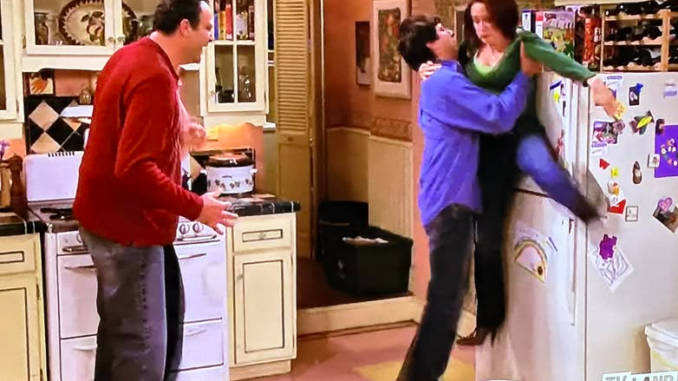
Reboots are everywhere. Old sitcoms are coming back. Streaming platforms are digging through the past like treasure hunters. If a show once made people laugh, there’s a good chance someone, somewhere, wants to revive it.
But when it comes to Everybody Loves Raymond, don’t hold your breath.
According to Brad Garrett, a reboot simply “wouldn’t be right to the audiences.”
That’s a bold statement in an era obsessed with nostalgia. So why draw the line here? Why close the door on a series that remains one of the most beloved sitcoms in television history?
Let’s unpack it — honestly, thoughtfully, and without the rose-colored glasses.
The Sitcom That Defined a Generation
Before we talk about why it won’t return, let’s remember what made it special.
Everybody Loves Raymond ran from 1996 to 2005. For nine seasons, viewers tuned in to watch Ray and Debra navigate marriage, parenthood, and relentless in-law interference.
It wasn’t flashy. It didn’t rely on outrageous plot twists. Instead, it captured something far more powerful: everyday life.
Marriage arguments about groceries. Passive-aggressive family dinners. Jealous siblings. Sound familiar?
That relatability turned the show into comfort food for millions.
Brad Garrett’s Perspective on a Revival
Brad Garrett, who portrayed Robert Barone, didn’t mince words when discussing reboot possibilities. He believes bringing the show back wouldn’t honor the audience — or the original magic.
And here’s the key: he’s not dismissing the love fans still feel. He’s protecting it.
Garrett has emphasized that the show worked because of the specific cast dynamic. Without certain original members, especially those who have passed away, recreating that chemistry would feel incomplete.
It wouldn’t be the same meal — just leftovers reheated.
The Loss of Key Cast Members
Two foundational stars of the series are no longer with us: Doris Roberts, who played Marie Barone, and Peter Boyle, who portrayed Frank Barone.
Marie and Frank weren’t background characters. They were engines of chaos and comedy. Marie’s meddling and Frank’s blunt sarcasm drove entire storylines.
Without them, could the show truly function?
Garrett doesn’t think so. And frankly, it’s hard to argue otherwise.
Chemistry Isn’t Replaceable
You can reboot a concept. You can recreate a set. But you can’t manufacture chemistry.
The Barone family dynamic worked because of timing, rhythm, and real-life bonds between cast members. Watch any episode and you’ll see it — the subtle glances, the improvisational energy, the way arguments felt real rather than rehearsed.
That kind of synergy can’t simply be rebooted.
It either exists… or it doesn’t.
Why Nostalgia Can Be a Trap
Let’s be honest. Nostalgia sells.
Streaming platforms know it. Networks know it. Fans know it. Reboots tap into something warm and familiar — like hearing a song from high school.
But here’s the catch: nostalgia often remembers the feeling, not the details.
What if a reboot can’t live up to that memory? What if it tarnishes it?
Garrett’s hesitation suggests a deeper respect for the show’s legacy. He’s asking a hard question: just because we can bring something back, does that mean we should?
The Difference Between Revival and Reinvention
Some shows manage to reinvent themselves successfully. Others struggle.
In the case of Everybody Loves Raymond, its premise was rooted in a specific stage of life — young kids, newlywed struggles, aging parents living across the street.
Time changes that dynamic.
Would Ray and Debra now be empty nesters? Would Robert still be the insecure brother? The comedic tension might not feel the same.
And if you change too much, is it still the same show?
Ray Romano’s Position on a Reboot
Though Garrett has been vocal, Ray Romano has also expressed doubts in the past about revisiting the series.
Romano has often said the show ended at the right time. It told its story. It wrapped up naturally.
That’s rare in television.
Many sitcoms drag on until they lose their spark. Everybody Loves Raymond didn’t. It exited gracefully — like a guest who knows when the party’s over.
The Emotional Weight of Returning
Imagine stepping back into a set filled with memories — some joyful, some bittersweet.
For the remaining cast, revisiting the show without Doris Roberts or Peter Boyle wouldn’t just be a professional challenge. It would be emotional.
Grief lingers.
Garrett’s comment that a reboot wouldn’t be right “to the audiences” might also reflect something personal. Perhaps it wouldn’t feel right to them either.
Audience Expectations in the Streaming Era
Today’s television landscape is different. Faster. Louder. More competitive.
Would the quiet domestic humor of Everybody Loves Raymond resonate the same way now? Or would it get lost in a sea of high-concept comedies and edgy streaming hits?
The audience has changed. Viewing habits have changed. Even humor evolves.
Sometimes lightning strikes once.
Protecting a Legacy
There’s something admirable about saying no.
In an industry driven by profit, refusing to revisit a successful property takes restraint. It signals confidence in what was created.
Garrett’s stance feels less like rejection and more like preservation.
It’s like sealing a time capsule instead of reopening it and risking damage.
What Made the Show Work in the First Place
The brilliance of Everybody Loves Raymond came from its honesty. It didn’t glamorize marriage. It didn’t sugarcoat sibling rivalry.
It leaned into awkwardness.
Arguments were petty. Apologies were imperfect. That authenticity made viewers feel seen.
A reboot would need to capture that same rawness — not parody it.
Could a Reunion Special Work Instead?
Here’s an interesting thought: what about a reunion special instead of a full reboot?
A sit-down conversation. Behind-the-scenes memories. A tribute to those who have passed.
That might satisfy fans without attempting to recreate the unrepeatable.
Sometimes reflection works better than revival.
The Risks of Reboots That Miss the Mark
We’ve all seen reboots that didn’t quite land. Characters feel different. Jokes feel forced. Storylines feel recycled.
And when that happens, it can shift how audiences remember the original.
Garrett seems aware of that risk.
Better to leave fans rewatching classic episodes with fondness than to give them something that feels diluted.
Why Fans Still Ask for It
If the answer is no, why does the question keep coming up?
Because the show mattered.
People don’t clamor for revivals of forgettable sitcoms. They want more of what touched them.
That’s a compliment in itself.
A Show That Knew When to Say Goodbye
There’s a certain elegance in ending well.
Like finishing a novel with the final page perfectly timed. No unnecessary sequel. No forced epilogue.
Everybody Loves Raymond ended in 2005, but its cultural footprint remains strong. Reruns continue to attract viewers. Quotes still circulate. Debates about Marie Barone’s meddling still spark laughs.
It doesn’t need a reboot to stay alive.
Conclusion: Sometimes the Best Move Is No Move at All
Brad Garrett’s stance on a reboot of Everybody Loves Raymond may disappoint some fans. But it comes from a place of respect — for the audience, for the cast, and for the integrity of what they created.
Not every beloved show needs a second act.
Sometimes the magic lies in its original form, preserved exactly as it was — imperfect, hilarious, heartfelt.
And maybe that’s the ultimate compliment: the show was so good, it doesn’t need fixing.
FAQs
1. Why does Brad Garrett oppose a reboot?
He believes it wouldn’t be right for the audience and feels the original cast dynamic can’t be recreated.
2. Have other cast members supported this view?
Yes, Ray Romano has also expressed doubts about reviving the series.
3. Could a reunion special still happen?
While no official plans exist, a reunion-style special seems more plausible than a full reboot.
4. Did the deaths of cast members impact reboot discussions?
Yes. The passing of Doris Roberts and Peter Boyle significantly affects the feasibility of a revival.
5. Is ‘Everybody Loves Raymond’ still popular today?
Absolutely. The show remains widely streamed and continues to resonate with audiences.