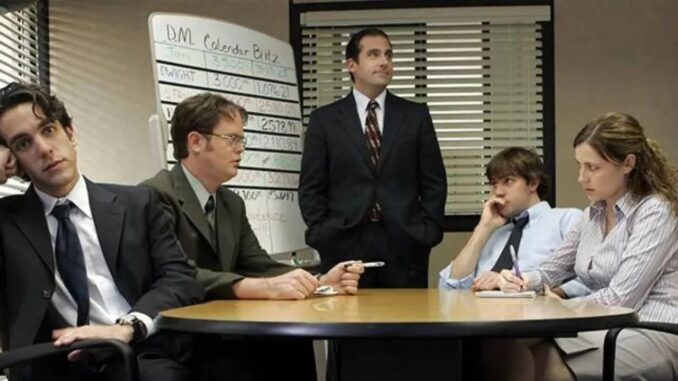
The Office Glow-Up: How Season 1 Became the Show’s Strangest Outlier
If you’ve ever rewatched The Office from the beginning, you probably felt it.
That weird vibe.
That awkward silence that doesn’t quite land.
That version of Michael Scott that feels… almost unrecognizable.
Season 1 of The Office isn’t just different. It’s practically a parallel universe compared to what the show eventually became. Over time, the series evolved into one of the most beloved workplace comedies in television history. But its first season? That’s the strange outlier—the rough draft before the masterpiece.
Let’s break down how this glow-up happened, why it worked, and what nearly went wrong.
The Office Glow-Up – From Cringe Experiment to Cultural Phenomenon
When The Office debuted in 2005, it didn’t arrive as a guaranteed hit. It came with baggage, expectations, and a risky creative direction.
It wasn’t trying to be safe.
It was trying to be… uncomfortable.
And that almost cost it everything.
The British Blueprint That Shaped Season 1
Before the American version found its identity, it leaned heavily on the original The Office, created by Ricky Gervais and Stephen Merchant.
The UK version thrived on bleak realism and painfully awkward humor. Its comedy was subtle, dry, and often emotionally brutal.
So what did the U.S. adaptation do?
It copied it.
Almost scene for scene.
The pilot episode is essentially a remake. Same jokes. Same structure. Same tone. But here’s the catch: American audiences weren’t ready for that level of discomfort in a primetime sitcom.
Why Season 1 Feels So Different
Let’s be honest—Season 1 feels cold.
The lighting is dim.
The pacing is slow.
The humor is harsher.
Michael Scott isn’t lovable. He’s abrasive.
That’s because early Michael was modeled after David Brent—the UK’s cringe-inducing boss. But American sitcoms traditionally reward warmth. We like our main characters flawed, yes—but redeemable.
Season 1 Michael? Not redeemable. Just awkward.
And that subtle difference changed everything.
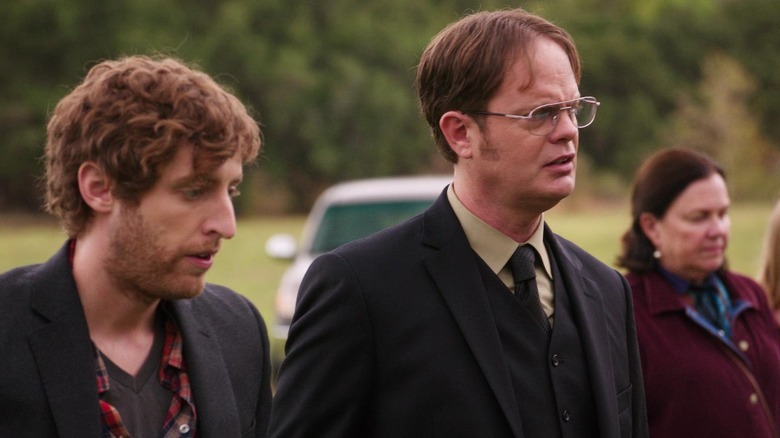
Michael Scott Before the Glow-Up
Michael Scott, played by Steve Carell, started off as a nearly carbon copy of David Brent.
He was self-absorbed.
Insensitive.
Desperate for approval.
But missing was the childlike sincerity that later made him unforgettable.
In Season 1, he feels like the villain of his own show. By Season 2? He’s the heart.
That’s not a small tweak. That’s a character resurrection.
The Six-Episode Problem
Season 1 only had six episodes.
Six.
That’s barely enough time to experiment, let alone find a voice. Networks were cautious. Ratings were modest. The show was on thin ice.
And then something unexpected happened.
The 40-Year-Old Virgin Effect
In the middle of Season 1’s uncertain run, The 40-Year-Old Virgin premiered—and it was a hit.
Suddenly, Steve Carell wasn’t just a sitcom actor. He was a breakout star.
NBC saw potential.
Instead of canceling the show, they gave it breathing room.
And that breathing room changed television history.
Season 2 – The Real Beginning
If Season 1 was a prototype, Season 2 was the launch.
The writers shifted tone. They softened Michael. They deepened side characters. They leaned into absurdity instead of bleakness.
It wasn’t a copy anymore.
It was its own thing.
Lighting, Tone, and the Subtle Visual Shift
Even visually, the glow-up is obvious.
Season 1 looks gray. Muted. Almost documentary-dour.
Season 2 brightens up. The office feels warmer. The pacing tightens. The jokes land faster.
It’s like the show found its rhythm—and decided to dance.
The Evolution of the Ensemble Cast
Early on, supporting characters were background noise.
By Season 2 and beyond, they became icons.
-
Dwight Schrute evolved from strange assistant to comedic genius.
-
Jim Halpert became the audience surrogate.
-
Pam Beesly grew from timid receptionist to emotional anchor.
Season 1 barely scratched the surface. Later seasons built a universe.
The Shift from Cringe to Comfort
Here’s the magic formula the show eventually cracked:
Cringe + Heart = Classic.
Season 1 had the cringe.
But it lacked the heart.
When writers injected warmth into relationships—especially Jim and Pam’s slow-burn romance—the show transformed from uncomfortable experiment into comfort television.
Why Season 1 Feels Like an Alternate Timeline
Rewatch it now and you’ll notice:
The characters feel like beta versions.
Michael’s cruelty feels sharper.
Jim feels less defined.
Pam is quieter.
Even the jokes linger awkwardly.
It’s like watching a band before they find their sound.
Same members. Different music.
The Risk of Adapting a Cult Classic
Adapting a beloved show is like walking a tightrope over fan expectations.
If you change too much, purists revolt.
If you change too little, it feels pointless.
Season 1 tried to honor the UK original too closely. Season 2 realized American comedy needed a different emotional balance.
That pivot saved the show.
The Writers’ Room Pivot
Behind the scenes, the creative team made a conscious decision: make Michael more well-meaning.
Not smarter.
Not less awkward.
Just more human.
That one adjustment reframed every interaction. Suddenly, when he failed, we laughed—but we also empathized.
Comedy Needs Stakes, Not Just Awkwardness
Pure awkwardness exhausts viewers.
But awkwardness paired with vulnerability? That’s gold.
Season 1 leaned heavily on discomfort. Later seasons layered in emotional stakes—friendships, romances, career ambitions.
That’s when The Office stopped being a remake and started being a phenomenon.
The Audience Factor
Timing matters.
In 2005, mockumentary sitcoms were still experimental. But audiences grew more comfortable with the format. Shows like this trained viewers how to watch them.
By the time Season 2 rolled out, viewers understood the rhythm—the side glances, the camera zooms, the silent reactions.
The style stopped feeling strange and started feeling brilliant.
Binge Culture Changed the Narrative
Today, many viewers experience Season 1 through streaming.
And when you binge-watch, the contrast between Season 1 and later seasons is stark. It’s like stepping from black-and-white into Technicolor.
But here’s the irony: without that awkward beginning, the glow-up wouldn’t feel so dramatic.
Why Season 1 Still Matters
Let’s not dismiss it entirely.
Season 1 laid the foundation:
-
It introduced the mockumentary tone.
-
It established the workplace setting.
-
It tested audience tolerance for discomfort.
It was the lab experiment before the breakthrough.
And sometimes, the rough draft is necessary for the final masterpiece.
The Glow-Up as a Lesson in Creative Evolution
The transformation of The Office teaches a bigger lesson: creative projects need space to evolve.
Not every first attempt is perfect.
Sometimes, success is about listening, adjusting, and doubling down on what works.
Season 1 wasn’t a failure.
It was a starting point.
Conclusion: The Strange Beginning That Made History
Season 1 of The Office feels like an outlier because it is. It’s darker, harsher, and more rigidly tied to its British predecessor. But without that experimental phase, the show might never have discovered its emotional core.
The glow-up wasn’t accidental. It was intentional.
By softening Michael Scott, empowering the ensemble, and blending cringe with heart, the series reinvented itself—and in doing so, redefined workplace comedy.
Sometimes the most beloved classics don’t start strong.
They start strange.
And that strangeness makes the transformation unforgettable.