The Rise of Television’s Most Polarizing Power Player
Turn on your TV. Scroll through streaming. Flip channels. Chances are, you’ll land on something touched by the same creative force. From ranch wars in Montana to oil rigs in Texas, one showrunner has built an empire that feels impossible to ignore.
We’re talking about the mastermind behind Yellowstone—and now the driving force behind Landman. His name sparks debates at dinner tables and explodes across social media threads. Some call him a visionary. Others call him repetitive. But one thing is undeniable: he’s taking over your TV.
Let’s break down how it happened—and why you can’t look away.
How Yellowstone Changed the Television Landscape
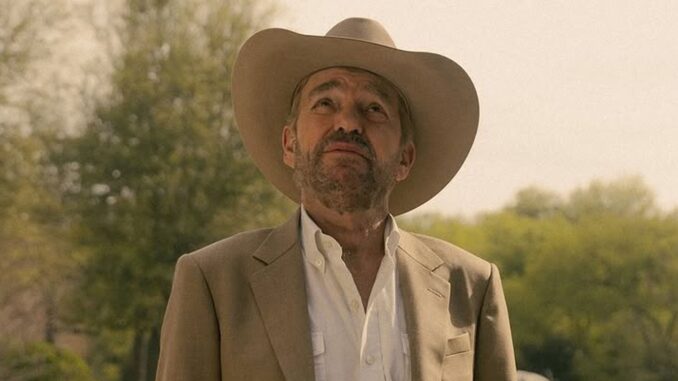
When Yellowstone premiered, few expected it to become a cultural juggernaut. It wasn’t just another family drama. It was a modern Western with bite—equal parts Shakespearean tragedy and cowboy grit.
A Neo-Western With Teeth
The series fused high-stakes family politics with sweeping landscapes and brutal confrontations. It felt cinematic. Raw. Unapologetic. And audiences responded.
The Dutton family wasn’t polished or politically correct. They were flawed, stubborn, and fiercely protective. That authenticity—real or exaggerated—hooked viewers instantly.
The Kevin Costner Effect
Let’s be honest. Casting Kevin Costner didn’t hurt. His presence brought gravitas and credibility. He wasn’t just acting; he embodied the myth of the American frontier.
Suddenly, Western storytelling felt fresh again.
The Formula Behind the Empire
Why does this showrunner keep winning? Because he understands emotional currency.
Masculinity, Power, and Survival
His shows tap into themes that resonate deeply—power struggles, legacy, survival, loyalty. They feel primal. The conflicts aren’t abstract; they’re physical and personal.
It’s not subtle storytelling. It’s storytelling with a punch.
Landscapes as Characters
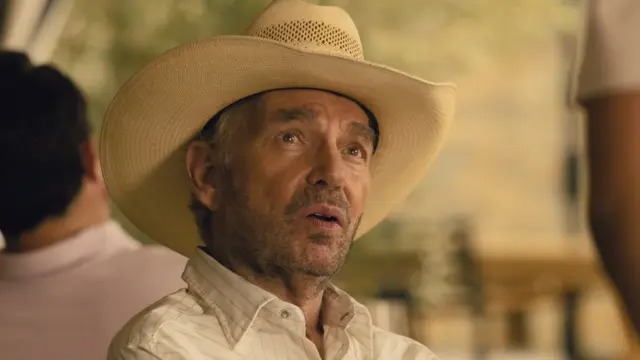
From Montana’s mountains to Texas oil fields in Landman, the setting isn’t background. It’s a character. Vast landscapes mirror emotional isolation. Wide horizons contrast with narrow moral choices.
It’s visual poetry—wrapped in barbed wire.
Enter Landman: Oil, Ambition, and Modern Capitalism
With Landman, the showrunner shifts from cattle to crude oil. But the DNA is familiar.
What Is Landman About?
Inspired by the podcast Boomtown, the series explores the oil boom world—billionaires, roughnecks, corporate sharks, and dreamers chasing black gold.
It’s not just about drilling. It’s about ambition. Risk. Greed.
Sound familiar?
Bigger Stakes, Same Intensity
If Yellowstone was about land ownership, Landman is about resource control. The stakes feel modern, urgent, even political. It reflects a world wrestling with energy crises and economic inequality.
And yet, it still feels like a Western—just with hard hats instead of cowboy hats.
Why Critics Are Divided
Not everyone is impressed.
Repetition or Signature Style?
Critics argue that the themes are recycled. Strong patriarchs. Power struggles. Violent confrontations. Moral ambiguity.
But isn’t that what makes a signature style? Think of it like a musician’s sound. You know it when you hear it.
Political Undertones
Some see political messaging embedded in the storytelling. Others see a reflection of American identity. The truth? It depends on who’s watching.
And maybe that’s the point. Polarization fuels conversation. Conversation fuels ratings.
The Streaming Era’s Power Shift
Television isn’t what it used to be. Streaming platforms are hungry for binge-worthy franchises.
Building a Universe, Not Just a Show
The success of Yellowstone didn’t stop at one series. Spin-offs multiplied. Prequels expanded the timeline. The universe grew.
Audiences didn’t just watch—they invested.
Appointment Viewing in a Binge World
In a world where shows drop all at once, his projects often feel like events. Weekly anticipation builds momentum. Cliffhangers spark Twitter wars.
It’s old-school hype in a new-school landscape.
Why Viewers Keep Coming Back
So why can’t audiences quit these shows?
Emotional Catharsis
The conflicts are explosive. Arguments escalate. Fights break out. Decisions carry consequences.
It’s emotional release—like watching a pressure valve burst.
Clear Villains and Heroes (Sort Of)
Characters aren’t squeaky clean. But they’re defined. You know who you’re rooting for—even when you shouldn’t.
That moral tension? Addictive.
The Business of Dominance
Behind the drama lies smart strategy.
Targeting Underserved Audiences
For years, certain demographics felt ignored by prestige TV. This showrunner tapped into that audience—viewers craving traditional themes wrapped in cinematic production.
He didn’t chase trends. He created demand.
Franchise Expansion as a Blueprint
Hollywood loves franchises. Superheroes proved it. Now serialized drama is following suit.
From ranches to oil fields, the blueprint is clear: build worlds, expand narratives, keep viewers locked in.
Is This the Future of Television?
Here’s the real question: is this dominance temporary—or the new normal?
Television thrives on cycles. Audiences eventually crave something different. But for now, this brand of storytelling feels unstoppable.
Like oil from a well, the content keeps flowing.
The Cultural Impact Beyond Ratings
It’s more than numbers.
Fashion and Lifestyle Influence
Western wear surged in popularity. Cowboy boots re-entered mainstream style. Rural aesthetics became trendy again.
Coincidence? Probably not.
Reframing the American Narrative
These shows revisit foundational myths—land ownership, rugged individualism, generational loyalty. They ask uncomfortable questions about power and identity.
Whether you agree or disagree, you’re reacting. And reaction equals relevance.
Love Him or Hate Him—You’re Watching
Polarizing creators often outlast neutral ones. Why? Because strong opinions generate energy.
You might roll your eyes at the dialogue. You might criticize the pacing. But chances are, you’ve watched at least one episode.
And that’s the genius.
What Comes After Landman?
If history tells us anything, expansion is inevitable.
New industries. New settings. Same thematic core. The formula evolves, but the heartbeat remains.
And networks? They’re more than happy to invest.
Conclusion: The Showrunner Who Refuses to Be Ignored
From the sprawling ranches of Yellowstone to the oil-soaked ambitions of Landman, one thing is clear: this showrunner understands how to command attention.
He builds worlds rooted in conflict. He crafts characters that provoke emotion. He sparks debate. And in today’s fragmented media environment, that’s power.
Is he divisive? Absolutely.
But irrelevant? Not even close.
Love him or hate him, he’s shaping the next chapter of modern television—and your remote control proves it.