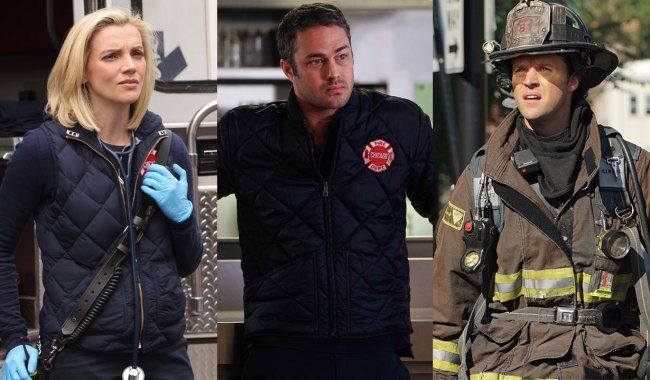
In a development that has sparked both curiosity and concern among fans, Dermot Mulroney is stepping away from Chicago Fire for part of Season 14. The news comes as the long-running firefighter drama continues to evolve its storytelling and character arcs, leaving viewers eager to understand what this temporary absence means for both the actor and the show’s future.
Mulroney’s hiatus is not being framed as a permanent exit, but rather a narrative and scheduling shift — one that reflects both the realities of television production and the creative direction of a series that has built its reputation on emotional storytelling, high-stakes drama, and deep ensemble chemistry.
As fans speculate about the implications, industry observers see the move as part of a broader pattern in modern television — where flexibility, character rotation, and narrative experimentation have become essential tools for long-running shows seeking to remain fresh.
Below, we take a deep dive into what Mulroney’s hiatus means, why it matters, and how it could shape Season 14 and beyond.
A Key Presence in Firehouse 51
Since joining the series, Mulroney quickly became a meaningful presence within the fictional world of Firehouse 51. Known for his versatility across film and television, he brought both gravitas and emotional nuance to the ensemble.
His character added a distinct dynamic to the firehouse — one that balanced authority, vulnerability, and layered personal history. In a show built on teamwork, loyalty, and resilience, that combination helped deepen interpersonal tensions while strengthening the emotional realism that audiences expect from Chicago Fire.
Fans responded strongly to this presence. Mulroney’s performance often anchored scenes that explored leadership pressure, moral dilemmas, and the psychological cost of emergency service work. His ability to shift between calm authority and raw emotional exposure made his character feel authentic — a critical factor in a series where emotional credibility is just as important as spectacle.
That’s why news of his temporary absence carries weight. Removing a stabilizing figure from an ensemble inevitably reshapes the emotional landscape of the story.
Why the Hiatus Now?
While official statements have remained measured, industry context provides insight into why a hiatus like this can occur — especially in a series entering its 14th season.
Long-running network dramas operate under intense production schedules. Actors often juggle multiple projects, personal commitments, and contract structures that evolve over time. Temporary breaks can serve several purposes:
1. Creative Storytelling Opportunities
Writers frequently use absences to open narrative space. Removing a central figure can shift power dynamics, create leadership vacuums, or push other characters into unexpected growth arcs.
In ensemble dramas, change fuels momentum. A temporary absence allows storylines that might otherwise remain dormant to move forward.
2. Production Logistics
Television scheduling is complex. Actors may pursue film roles, limited series, or personal projects. A hiatus can reflect negotiated flexibility rather than conflict.
3. Character-Driven Plot Development
Sometimes an absence is itself the story. Characters may take leave, face off-screen challenges, or undergo transformative events that unfold gradually.
For a show like Chicago Fire, which frequently blends procedural action with personal drama, a temporary departure can become a powerful narrative device.
What It Means for Season 14’s Storyline
Mulroney’s absence is expected to reshape the emotional and structural rhythm of Season 14. When a prominent character steps away — even temporarily — the ripple effects can be substantial.
Shifting Leadership Dynamics
Firehouse hierarchies matter deeply in the show’s storytelling. Leadership isn’t just procedural — it’s emotional. Removing a steady voice from decision-making may lead to conflict, uncertainty, or unexpected alliances.
Expanded Focus on Other Characters
A hiatus often creates space for supporting characters to step forward. Relationships that once existed in the background may become central. Personal struggles that were previously overshadowed may now take center stage.
Heightened Emotional Stakes
Absence creates tension. Characters may question stability, loyalty, or direction. The firehouse environment — already intense — becomes even more unpredictable.
In other words, the narrative impact may be less about what Mulroney’s character is doing off-screen and more about how others react to his absence.
A Familiar Strategy in Long-Running Television
Television history shows that temporary character departures are far from unusual. Many successful dramas use strategic absences to refresh storytelling and sustain longevity.
In procedural ensemble shows, the format itself supports flexibility. The world of the story continues even when individual characters step away — much like real workplaces, where people come and go but the mission remains.
This approach helps maintain realism while also preventing narrative stagnation.
For viewers, it can be both unsettling and exciting. Familiar rhythms change, but new possibilities emerge.
Fan Reactions: Concern, Curiosity, and Speculation
Unsurprisingly, the news has generated strong reactions from fans. Online discussions range from concern about long-term implications to excitement about potential story twists.
Common questions include:
-
Is this setting up a major character arc?
-
Will the hiatus lead to a dramatic return?
-
Could this signal broader cast changes?
What’s notable is that most reactions reflect emotional investment rather than alarm. That speaks to the strength of the show’s audience connection — and to Mulroney’s impact within the ensemble.
Fans aren’t just reacting to a production decision. They’re responding to a shift in a fictional community they’ve followed for years.
The Broader Evolution of the Series
As one of the flagship dramas on NBC, Chicago Fire has consistently adapted to maintain relevance.
Over more than a decade, the show has navigated cast transitions, character losses, crossovers, and tonal shifts — all while preserving its core identity: a character-driven exploration of courage, sacrifice, and human connection under pressure.
Mulroney’s hiatus fits within that tradition of evolution. Rather than signaling instability, it may represent the series doing what it has always done — adjusting, expanding, and finding new emotional territory.
What Happens Next?
While details remain limited, one thing is clear: the hiatus is temporary. That opens the door for a meaningful return — and television history suggests that returns following absences often carry heightened emotional impact.
Possible outcomes include:
-
A storyline that explains the absence in transformative terms
-
A dramatic re-entry that shifts power dynamics
-
A renewed focus on unresolved relationships
Whatever form it takes, the return is likely to be narratively significant.
The Enduring Strength of Ensemble Storytelling
Perhaps the most important takeaway is what this moment reveals about the structure of Chicago Fire itself.
The show is not built around a single character. It thrives on interconnected lives, shared trauma, collective resilience, and evolving relationships. That structure allows for flexibility — and ensures that change, while disruptive, is also generative.
Mulroney’s hiatus is therefore not simply an absence. It’s a narrative opening — one that will test the firehouse, reshape relationships, and set the stage for future developments.
Final Thoughts
Television thrives on momentum, and long-running series survive by embracing change rather than resisting it. Dermot Mulroney’s temporary hiatus from Chicago Fire Season 14 represents both a creative opportunity and a structural shift — one that underscores the adaptability of the show and the strength of its ensemble.
For fans, the coming season promises uncertainty, emotional intensity, and narrative evolution. And if television history is any guide, absence may ultimately make the return all the more powerful.
Firehouse 51 has weathered many storms. Season 14 may bring another — but resilience, after all, is what the show does best.