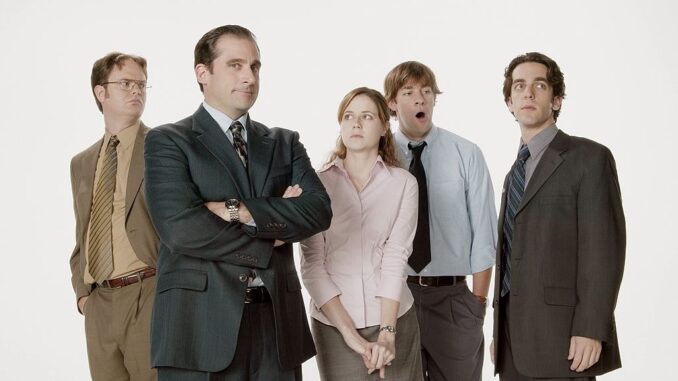
The Season Everyone Loves to Criticize
Let’s be honest — when people talk about the early days of The Office, Season 1 often gets dismissed. Fans say it’s awkward, rough, or just trying too hard to copy the British version.
But here’s the thing: that awkwardness is the point.
Season 1 isn’t the polished comfort comedy we later fell in love with. It’s sharper. Stranger. Braver. And in many ways, it lays the emotional and comedic foundation for everything that follows.
So yes — Season 1 is actually great. And it deserves a serious rewatch.
The Risky Beginning That Made Everything Possible
Finding a Voice in an Uncertain Format
Mockumentary sitcoms weren’t mainstream when the show premiered. The idea of characters talking directly to the camera felt experimental.
Season 1 leans into that uncertainty. The pacing is slower. Silences are longer. Jokes sometimes sit uncomfortably in the air.
But that discomfort creates realism — the kind of realism that later became the show’s superpower.
Inspired by the Original Vision
The American version was heavily influenced by the UK series created by Ricky Gervais, but showrunner Greg Daniels knew the adaptation couldn’t just copy.
Season 1 becomes the bridge between imitation and identity.
You can literally watch the show learning who it is.
The Brilliance of Early Michael Scott
The Character People Misunderstood
Early Michael Scott — played by Steve Carell — is harsher, less lovable, and more cringe-inducing than the later version.
That’s intentional.
The show starts by asking: What does bad leadership actually look like in everyday life?
Michael isn’t just a joke machine. He’s a painfully realistic portrait of insecurity wrapped in authority.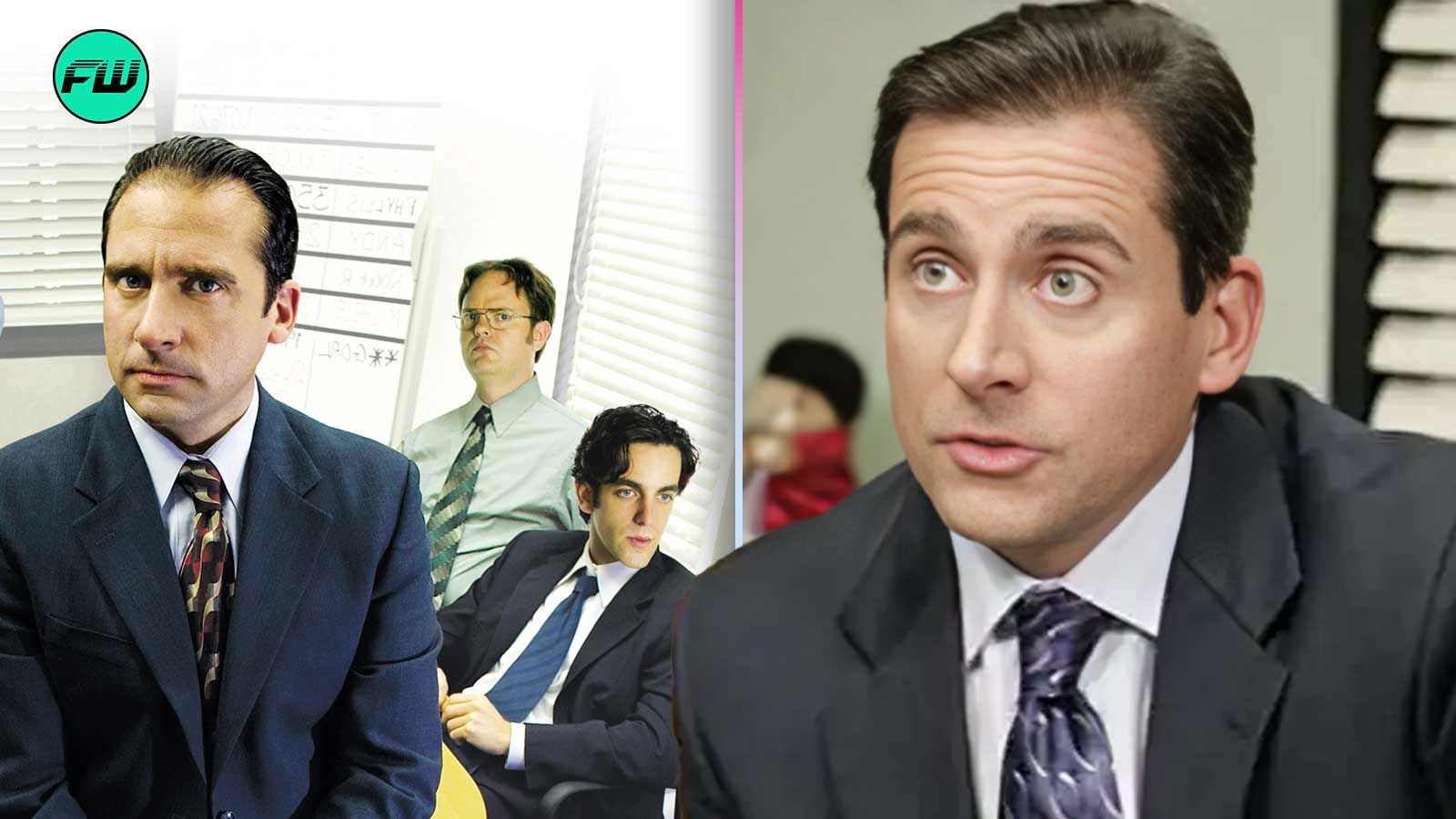
Why the Cringe Works
The discomfort forces the audience to feel something deeper than laughter.
You’re not just watching jokes — you’re watching human vulnerability.
And that emotional tension becomes the DNA of the series.
The Documentary Style Feels Raw — And That’s Good
Season 1 feels like a real documentary crew dropped into a dull office.
The lighting is flat. The camera lingers too long. Conversations overlap.
Instead of polished sitcom timing, you get messy reality.
And messy reality is funny in ways traditional comedy can’t be.
The Short Episode Count Is a Strength
Six Episodes, Zero Filler
Season 1 only has six episodes. That’s not a weakness — it’s precision.
Every episode introduces key dynamics:
-
Jim vs Dwight
-
Pam’s quiet dissatisfaction
-
Michael’s desperate need for approval
-
The office as a character itself
There’s no wasted space.
The Pilot Episode Is Better Than People Remember
Yes, it closely mirrors the British pilot. But it accomplishes something crucial: it establishes tone instantly.
You understand the world within minutes.
The jokes are uncomfortable. The characters are flawed. The camera is complicit.
That clarity is rare for a pilot.
Jim and Pam Begin as Subtle, Not Sweet
Romance Built on Small Moments
Later seasons turn Jim and Pam into one of TV’s most beloved couples. Season 1 shows the groundwork — tiny looks, quiet jokes, shared boredom.
It feels real because it’s understated.
There’s no dramatic music. Just glances across desks.
And that subtlety makes the payoff later unforgettable.
Dwight Is Fully Formed From Day One
Some characters evolve dramatically. Dwight doesn’t — and that’s the genius.
His intensity, loyalty, and absurd seriousness are already perfect.
Season 1 Dwight is chaotic energy bottled in mustard-colored shirts.
And it works immediately.
The Comedy Is Darker — And Smarter
Humor From Real Workplace Pain
Season 1 isn’t trying to comfort you. It’s trying to expose workplace absurdity.
-
Pointless meetings
-
Forced team bonding
-
Performative leadership
-
Social awkwardness
It’s comedy rooted in recognition.
You laugh because you’ve been there.
Tone Evolution Makes Season 1 More Important
Many fans prefer the warmer tone of later seasons. But that warmth only works because Season 1 establishes the baseline.
You need contrast to feel growth.
Without the rough edges, the emotional payoff later wouldn’t land.
The Show Was Testing Boundaries
Season 1 experiments constantly:
-
How long can silence be funny?
-
Can cringe replace punchlines?
-
Will audiences accept unlikable leads?
These risks shaped modern comedy.
You can see the blueprint for countless shows that followed.
Rewatch Value Is Surprisingly High
Details You Miss the First Time
On a rewatch, Season 1 reveals layers:
-
Background reactions
-
Early character traits
-
Running jokes that pay off later
-
Emotional foreshadowing
It feels less like a rough start and more like intentional setup.
The Authenticity Is Rare in Sitcom Debuts
Most sitcoms start broad and refine later. Season 1 does the opposite — it starts small, intimate, almost uncomfortable.
That authenticity gives the show longevity.
It doesn’t feel manufactured. It feels observed.
Why Critics Misjudged It
Expectations vs Reality
Viewers expected a traditional sitcom. They got something quieter and stranger.
Season 1 wasn’t trying to be instantly lovable. It was building trust.
And trust takes time.
Season 1 Is the Foundation, Not the Flaw
Think of it like the first chapter of a novel. It introduces tone, conflict, and character psychology.
Skipping it is like starting a story halfway through.
You might enjoy it — but you miss the meaning.
The Cultural Impact Starts Here
Every iconic moment later traces back to Season 1:
-
The documentary realism
-
Character vulnerability
-
Humor from discomfort
-
Emotional storytelling inside comedy
The show’s identity is born here.
The Quiet Courage of Being Different
Season 1 didn’t chase laughs per minute. It chased truth.
And truth — awkward, messy, human truth — is what made the series timeless.
That kind of creative courage deserves recognition.
Conclusion — The Season That Taught the Show How to Breathe
Season 1 of The Office isn’t perfect. It’s not supposed to be.
It’s exploratory, raw, and sometimes painfully awkward. But that awkwardness is the spark that ignited one of television’s most beloved comedies.
When you rewatch it without expectations, you see intention instead of flaws. You see groundwork instead of growing pains.
Season 1 isn’t the weakest chapter.
It’s the most honest one.
And honesty is where great storytelling begins.