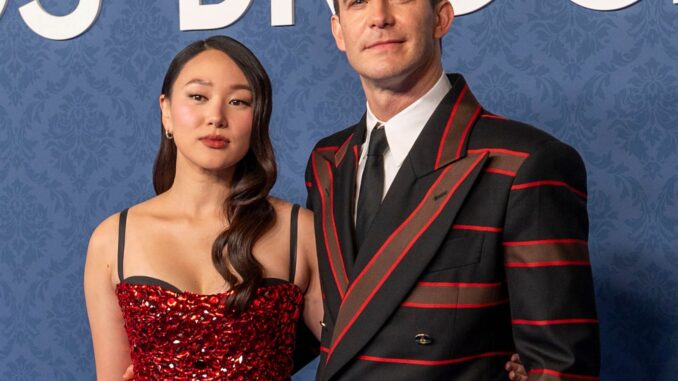
Bridgerton Now and Next: The Past, Present, and Future of a Global Phenomenon
Few shows exploded into pop-culture dominance as fast as Bridgerton. Lavish costumes, orchestral pop covers, scandalous secrets, and swoon-worthy romance turned a Regency-era drama into one of streaming’s biggest success stories.
But the real magic? Reinvention. Each season shifts focus to a new love story while expanding a world that feels bigger, bolder, and more addictive.
So where is Bridgerton now — and what happens next? Let’s step inside the ballroom.
The Rise of Bridgerton — Why It Became a Cultural Obsession
When the series debuted on Netflix, it didn’t just perform well — it dominated conversation.
Audiences loved:
-
Diverse casting in a period setting
-
Bold romance that felt modern
-
Gossip-driven storytelling
-
Escapist visuals during uncertain times
It felt like comfort TV with a rebellious edge — Jane Austen meets reality-show drama.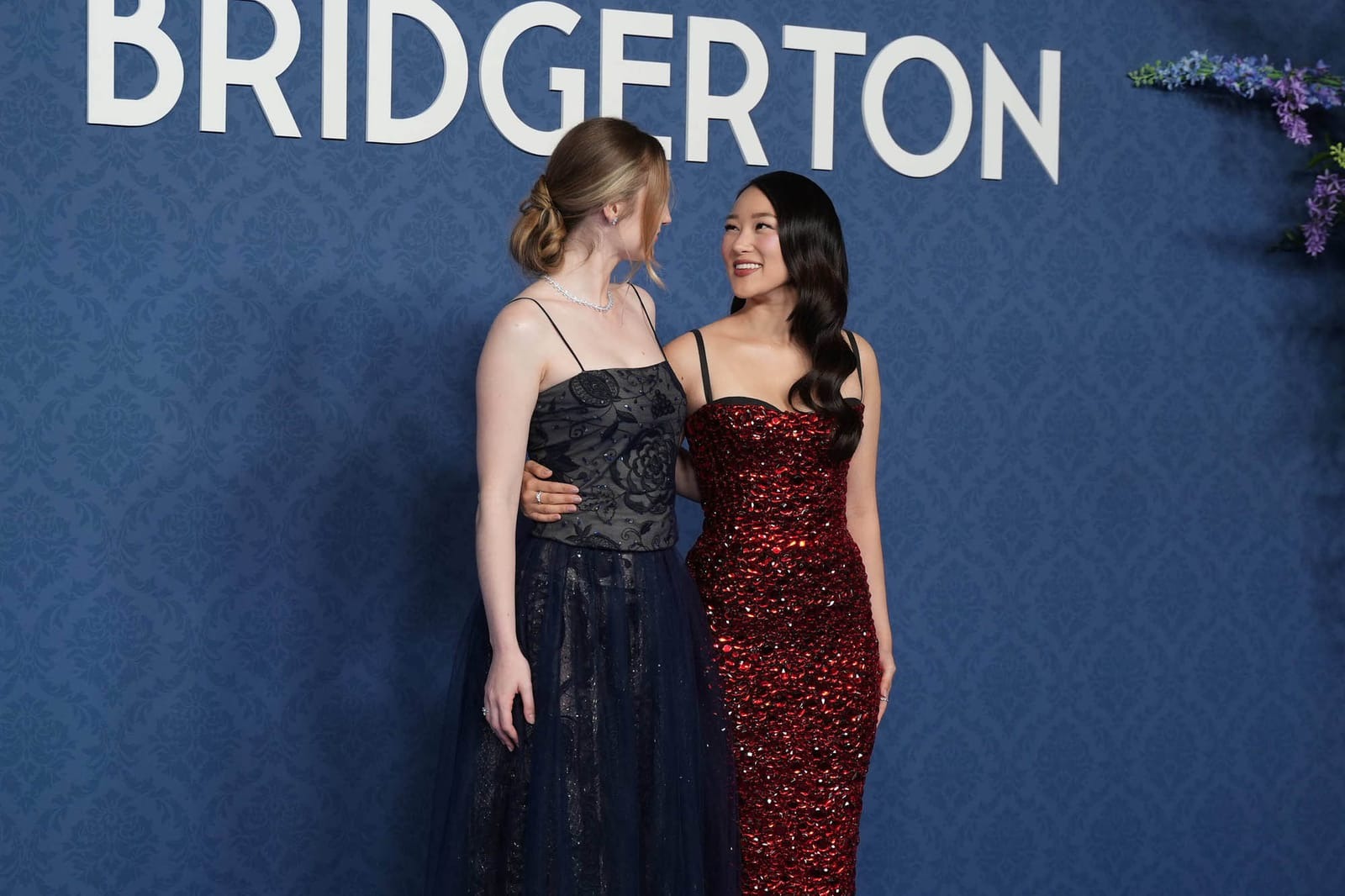
The Creative Vision Behind the Series
The show carries the unmistakable storytelling DNA of Shonda Rhimes — emotional, character-driven, and unapologetically dramatic.
Her approach transformed period drama rules:
-
Faster pacing
-
Intimate character focus
-
Big cliffhangers
-
Social commentary woven into romance
The result? A historical world that feels alive rather than distant.
From Books to Screen — The Story Foundation
The series draws inspiration from novels by Julia Quinn, where each Bridgerton sibling gets their own love story.
That structure created a rare TV advantage:
Built-in longevity.
Instead of one central couple forever, the story evolves naturally season by season.
Bridgerton Now — Where the Story Stands
At this stage, Bridgerton has matured.
It’s no longer just about debutantes and matchmaking. Themes have expanded:
-
Identity
-
Friendship
-
Reputation
-
Power dynamics
-
Personal growth
Romance remains the engine — but the emotional stakes are deeper.
Season 3’s Shift Toward Friends-to-Lovers Romance
Season 3 focused heavily on the long-simmering dynamic between Penelope Featherington and Colin Bridgerton.
Why it mattered:
-
Slower emotional payoff
-
Exploration of self-confidence
-
The tension between fantasy and reality
Fans connected because it felt relatable — messy, hopeful, human.
Tone Evolution — Less Fairy Tale, More Emotional Realism
Early seasons leaned heavily into fantasy romance.
Now the show balances:
-
Joy and heartbreak
-
Glamour and insecurity
-
Love and consequence
It’s still escapist — but grounded.
The Expanding Bridgerton Universe
One sign of longevity is expansion.
Spin-offs, deeper side characters, and world-building suggest Bridgerton isn’t just a show anymore. It’s a franchise.
That shift changes expectations. Viewers don’t just want romance — they want continuity.
Supporting Characters Stealing the Spotlight
Secondary characters now drive major storylines:
-
Family dynamics
-
Social politics
-
Friendship arcs
-
Class tensions
This layered storytelling keeps the series fresh even when romance formulas repeat.
What Fans Want Next
Scroll any fan discussion and the wishes are clear.
Audiences crave:
-
New romantic tropes
-
Riskier storytelling
-
More male vulnerability
-
Deeper sibling relationships
-
Bigger emotional payoffs
In short: evolution without losing comfort.
The Next Love Story Question
The biggest speculation every season is simple: Who’s next?
Because each sibling represents a different romantic theme:
-
Duty vs desire
-
Second chances
-
Forbidden love
-
Slow burn
-
Opposites attract
This rotating focus keeps anticipation high.
Production Trends Shaping the Future
Streaming has changed how shows survive.
For Bridgerton, that means:
-
Longer gaps between seasons
-
Bigger budgets
-
Cinematic visuals
-
Event-style releases
The show now behaves less like weekly TV and more like blockbuster storytelling.
Visual Escalation — Why Each Season Feels Bigger
Costumes grow bolder. Sets expand. Music choices become more playful.
That visual escalation signals confidence — and competition.
Bridgerton must constantly top itself.
Themes Likely to Define the Next Era
Future seasons are expected to lean into:
Individual Identity
Characters questioning societal roles.
Marriage vs Personal Freedom
A core tension of the series.
Friendship as Emotional Anchor
Romance may start the story — friendship sustains it.
Reputation in the Age of Gossip
Still the show’s central metaphor.
The Risk of Formula — And How Bridgerton Avoids It
Romance series often struggle with repetition.
Bridgerton counters that by:
-
Changing protagonists
-
Shifting tone
-
Expanding stakes
-
Exploring new tropes
Think of it like a playlist — same genre, different songs.
Audience Expectations Are Higher Now
Success creates pressure.
Fans now expect:
-
Emotional authenticity
-
Representation
-
Narrative surprises
-
Character growth
Delivering comfort isn’t enough anymore.
Why Bridgerton Still Matters
At its core, the show taps into something timeless: the desire to be seen, chosen, and loved.
But it also reframes romance:
Love isn’t rescue.
It’s recognition.
That idea keeps the series relevant.
Predictions — What Comes Next
Several trends seem likely:
-
Slower storytelling with bigger payoffs
-
More ensemble focus
-
Experimental romantic tropes
-
Spin-offs continuing
-
Higher emotional stakes
The future isn’t about bigger drama — it’s about deeper connection.
The Long-Term Vision
If the adaptation continues, Bridgerton could run for years without feeling stale because its structure is inherently renewable.
Each season is a new emotional entry point.
Few shows have that advantage.
Conclusion: Bridgerton’s Real Secret Is Reinvention
Bridgerton began as a dazzling romance fantasy. Today, it’s evolving into something richer — a character-driven universe about love in all its complicated forms.
Where the show stands now is a turning point. It has proven its popularity. The next challenge is longevity.
If it keeps balancing spectacle with sincerity, Bridgerton won’t just continue — it will define modern romance television for years to come.
And honestly? Fans will be waiting at the ballroom doors.