Welcome to the World of Bridgerton
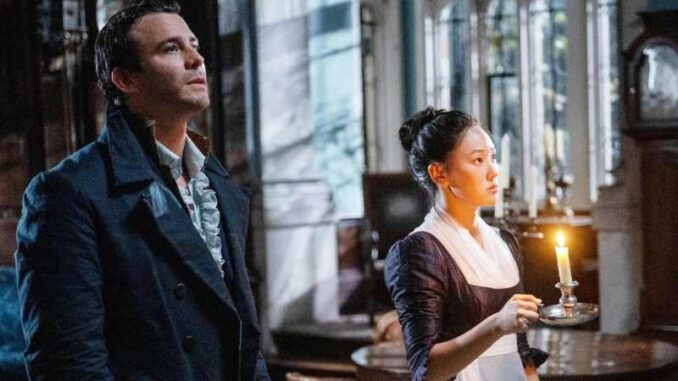
Few shows have reshaped period drama quite like Bridgerton. Lavish costumes, orchestral pop covers, and scandalous gossip pulled millions into the glittering chaos of Regency-era London. Produced by Shonda Rhimes and inspired by novels from Julia Quinn, the series doesn’t just tell stories — it builds a whole language.
If you’ve ever wondered what the Ton means, why everyone is obsessed with a “diamond,” or how titles shape relationships, this glossary is your backstage pass.
Let’s decode the rules, the slang, and the characters that make the Ton tick.
What Is “The Ton”?
“The Ton” refers to high society — the elite circle of aristocrats who dominate social life.
Think of it like an exclusive club where reputation is currency. Invitations matter. Gossip spreads like wildfire. One scandal can destroy everything.
In Bridgerton, the Ton is less about money and more about perception. If society approves, doors open. If it doesn’t, you’re finished.
The Regency Era Explained
A Short Historical Snapshot
The Regency period (1811–1820) happened when Britain’s Prince Regent ruled in place of his father. It was a time of strict etiquette, rigid class structures, and elaborate social rituals.
Marriage wasn’t just romance — it was strategy.
Why the Era Works for Drama
Rules create tension. Restrictions create secrets. And secrets? Perfect television.
The Social Season — Marriage as a Marketplace
What Is the Season?
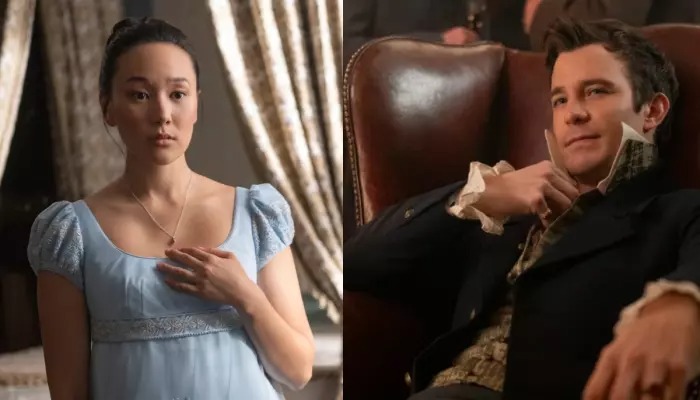
Each year, debutantes entered society to find husbands. Balls, dinners, and promenades acted like a real-world dating app — except your family watched every move.
The Pressure to Marry Well
Love was optional. Status was not.
Families negotiated alliances like business deals, which is why small missteps felt enormous.
Key Regency Terms You Hear in Bridgerton
Diamond of the Season
The “diamond” is the most desirable debutante — the one everyone wants.
In season one, that spotlight shines on Daphne Bridgerton, setting the entire plot in motion.
Calling Cards
A calling card signaled a social visit. Showing up without one? Social chaos.
Chaperone
Young women rarely met men alone. A chaperone ensured propriety — and limited opportunity for scandal.
Courtship
Courtship followed strict rules. Too much attention could spark rumors. Too little meant losing your chance.
Titles — The Power Structure of the Ton
Duke, Viscount, Lord — What’s the Difference?
Titles determined influence.
-
Duke: Highest rank among nobility
-
Viscount: Important but lower
-
Lord: A broad title covering various ranks
For example, Simon Basset carries enormous weight because he’s a duke.
Why Titles Matter for Romance
Marriage could elevate an entire family overnight. Titles weren’t just prestige — they were survival.
Gossip — The Ton’s Real Currency
Enter the Anonymous Writer
No glossary is complete without Lady Whistledown.
Her scandal sheet controls reputations, sparks drama, and keeps everyone terrified.
Information as Power
In the Ton, knowing secrets is like holding stock before a market crash. Timing is everything.
The Bridgerton Family — Core Characters
The Protective Eldest Brother
Anthony Bridgerton represents duty versus desire. He carries family responsibility while struggling with his own fears about love.
The Overlooked Observer
Penelope Featherington embodies how invisibility can become power. Quiet characters often see the most.
The Role of the Queen
Authority Meets Entertainment
Society revolves around approval from Queen Charlotte.
Her opinions shape trends, reputations, and matchmaking outcomes. She turns romance into spectacle.
Balls — The Ton’s Social Battlefield
More Than Dancing
Balls are where alliances form, rumors explode, and glances mean everything.
A single dance could signal interest. Two could imply commitment.
Visual Storytelling
The show uses balls like emotional arenas — elegance masking anxiety.
Scandal — The Ultimate Threat
Reputation Fragility
A rumor could destroy marriage prospects instantly.
Scandal wasn’t private. It was public entertainment.
Why Stakes Feel So High
Modern viewers relate because social media works the same way — visibility amplifies mistakes.
Fashion — Status You Can See
Empire Waist Dresses
Light fabrics, high waistlines, pastel shades — fashion signaled youth and availability.
Color Symbolism
Costumes tell stories. Bright palettes suggest optimism. Dark tones hint at control or rebellion.
Friendship vs. Strategy
Relationships in the Ton blur lines between genuine affection and calculated moves.
People smile while negotiating futures. Compliments can be currency. Silence can be strategy.
Love vs. Duty — The Show’s Core Theme
At its heart, Bridgerton asks one question:
Can love exist inside rigid systems?
Characters constantly balance personal happiness against family expectations — a tension that feels timeless.
Why the Glossary Matters for Viewers
Understanding the language changes the experience.
Moments feel sharper. Stakes feel clearer. Characters’ choices make more sense.
It’s like learning the rules of chess — suddenly every move carries meaning.
The Modern Appeal of Regency Language
Familiar Yet Escapist
We recognize the social pressure even if the setting feels distant.
Dating apps replaced ballroom dances. Gossip blogs replaced scandal sheets. But the emotional mechanics remain.
Fantasy With Relevance
The show blends history with modern themes — identity, independence, and visibility.
How Bridgerton Reimagines History
Accuracy isn’t the goal. Emotion is.
Color-conscious casting, contemporary music, and bold storytelling transform the Regency era into omething alive rather than museum-like.
The Enduring Power of the Ton
The Ton represents every social system where perception shapes opportunity.
School popularity. Workplace politics. Online reputation.
Different setting, same psychology.
Conclusion
Bridgerton isn’t just a romance series — it’s a social language lesson wrapped in silk and scandal. Once you understand the Ton’s terminology, every glance, rumor, and dance becomes layered with meaning. Titles reveal power. Gossip reveals vulnerability. And behind the etiquette lies a universal truth: people have always struggled between who they are and who society expects them to be.
That’s why the show resonates. Beneath the corsets and chandeliers, it tells a modern story about visibility, love, and the risk of being truly seen.