The Moment Fans Have Been Waiting For
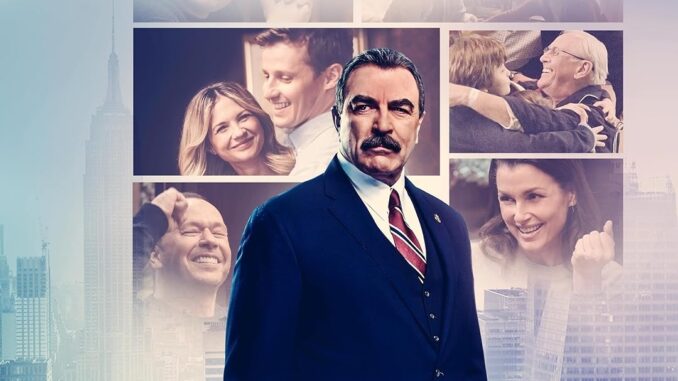
There’s something deeply comforting about seeing a familiar face return to a beloved universe. When Len Cariou steps back into the shoes of Henry Reagan in Boston Blue, it feels less like casting news and more like a homecoming.
For longtime viewers, Henry isn’t just a character — he’s the moral compass. His quiet wisdom, old-school grit, and steady presence have always anchored the Reagan family. So the idea of him appearing in a new chapter instantly raises the stakes.
This isn’t nostalgia for nostalgia’s sake. It’s continuity. It’s legacy. And honestly, it’s emotional.
From Blue Bloods to Boston Blue — Why This Return Matters
Carrying Forward a Television Dynasty
The original series, Blue Bloods, built its identity on family as much as policing. Sunday dinners, generational conflict, shared duty — those themes defined the show.
Henry Reagan embodied all of it.
Bringing him into Boston Blue signals that the spinoff isn’t abandoning the heart of the franchise. Instead, it’s expanding it.
The Power of Familiar Roots
Spin-offs often struggle because they cut too many ties. But Henry’s presence acts like connective tissue. He reminds viewers: this world still belongs to the Reagans.
And that changes how audiences invest emotionally.
Who Henry Reagan Represents in the Story
Wisdom Over Authority
Henry doesn’t command scenes with volume. He commands them with perspective. He’s lived the job, survived the politics, and watched generations repeat mistakes.
That perspective becomes even more valuable in a new city and new storyline.
The Grandfather Effect
Every great family drama needs a figure who sees beyond the moment. Henry is that figure — the person who asks the uncomfortable question everyone else avoids.
His return means Boston Blue gains depth instantly.
Len Cariou’s Performance — Quiet Power Done Right
There’s a reason Len Cariou’s portrayal resonated for years. He never overplayed the role. Instead, he leaned into stillness — pauses, glances, measured words.
That restraint made emotional scenes hit harder.
When he returns, viewers aren’t just seeing a character. They’re seeing continuity of tone. The show remembers what made it work.
What This Means for the Reagan Family Narrative
Generational Storytelling Evolves
Henry’s presence reinforces a central theme: policing isn’t just a job — it’s inheritance.
His return allows writers to explore:
-
Changing values in law enforcement
-
The weight of family expectations
-
The cost of decades of service
Those ideas feel richer when an elder statesman is in the room.
Conflict Gets More Meaningful
Henry doesn’t solve problems. He reframes them. That makes every disagreement carry more emotional gravity.
And audiences feel that.
Fan Reactions — Why Nostalgia Hits So Hard
Social media buzz around the return isn’t just excitement. It’s relief.
Viewers worry spin-offs will feel hollow. Henry’s involvement signals respect for the original audience.
It’s like hearing a familiar voice in a crowded room — you instantly feel grounded.
Boston Blue’s Identity Gets Clearer
Not a Replacement — An Evolution
Boston Blue isn’t trying to copy the original. It’s exploring new territory while honoring the past.
Henry’s role becomes symbolic: the bridge between eras.
Emotional Stakes Rise Fast
A new setting means new conflicts. But a returning character means those conflicts carry history.
That combination is storytelling gold.
How Henry Shapes Younger Characters
One of the most underrated aspects of Henry’s character is mentorship.
He doesn’t lecture. He nudges. He asks questions that linger.
That influence can reshape newer characters in Boston Blue — giving arcs more nuance and realism.
Thematic Depth — Tradition vs Change
This franchise has always balanced two forces:
-
Respect for tradition
-
The necessity of change
Henry embodies tradition. Boston Blue represents change.
Putting them together creates natural tension — and tension drives drama.
The Cast Chemistry Factor
Returning characters often elevate everyone around them.
Scenes gain weight because actors respond differently to a legacy figure. That ripple effect improves pacing, dialogue, and emotional payoff.
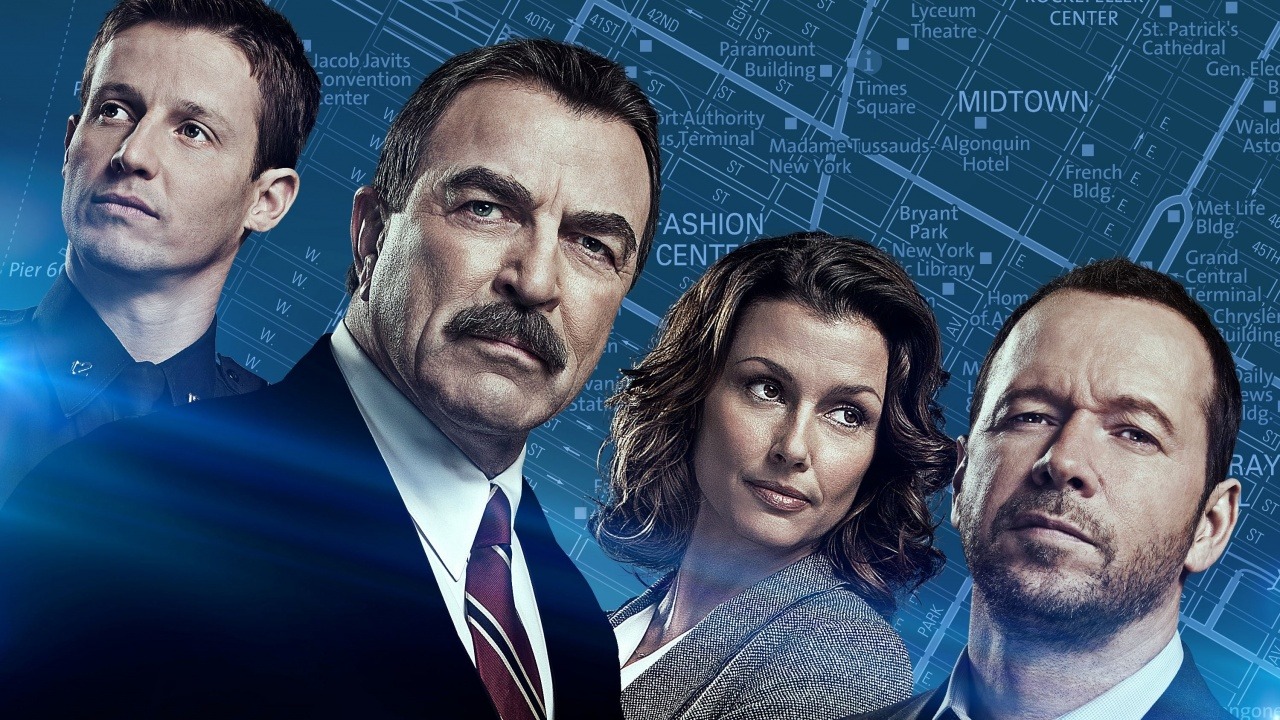
And it’s hard not to imagine interactions with franchise staples like Tom Selleck, Donnie Wahlberg, and Bridget Moynahan influencing how the extended universe feels — even if indirectly.
Story Possibilities Open Up
Henry’s return isn’t just symbolic. It creates narrative options:
-
Reflective storylines about aging and legacy
-
Conversations about modern policing
-
Emotional family reunions
-
Moral dilemmas seen through decades of experience
Suddenly, the show can tell stories across time — not just in the present.
Why Audiences Trust This Move
Television viewers are savvy. They know when a return is a gimmick.
This doesn’t feel like one.
Henry Reagan was never flashy. His impact was cumulative. Bringing him back signals confidence in character-driven storytelling.
And audiences reward that.
The Emotional Core of the Franchise Remains
At its best, this universe has always asked a simple question: What does duty cost a family?
Henry represents the long answer. The decades-long perspective.
His return reminds viewers that every decision echoes forward — sometimes across generations.
That’s powerful television.
Nostalgia Done Right — A Case Study
There’s a difference between fan service and narrative purpose.
Fan service says: remember this?
Narrative purpose says: this still matters.
Henry’s presence falls firmly in the second category.
The Bigger Picture — Longevity in TV Storytelling
Franchises survive when they respect history while embracing evolution.
Henry Reagan’s return shows Boston Blue understands that balance.
It’s not about recreating the past. It’s about letting the past inform the future.
What Viewers Can Expect Emotionally
Expect quieter scenes that linger.
Expect conversations rather than confrontations.
Expect moments where a single line reframes an entire episode.
That’s what Henry Reagan does. He changes how stories feel.
Why This Return Could Define the Spinoff
First impressions matter. Early creative decisions shape audience perception.
By bringing Henry back, Boston Blue sends a clear message: character comes first.
And that message could define the show’s identity for years.
Conclusion: A Legacy That Refuses to Fade
Len Cariou returning as Henry Reagan isn’t just casting news — it’s storytelling strategy. It reconnects audiences to the emotional DNA that made the franchise resonate in the first place.
Boston Blue gains credibility, depth, and continuity in a single move. Henry’s presence ensures the show doesn’t drift from its roots, even as it explores new ground.
In a television landscape obsessed with reinvention, this return reminds us that sometimes the strongest stories move forward by looking back.
And that’s exactly why fans are ready to watch.