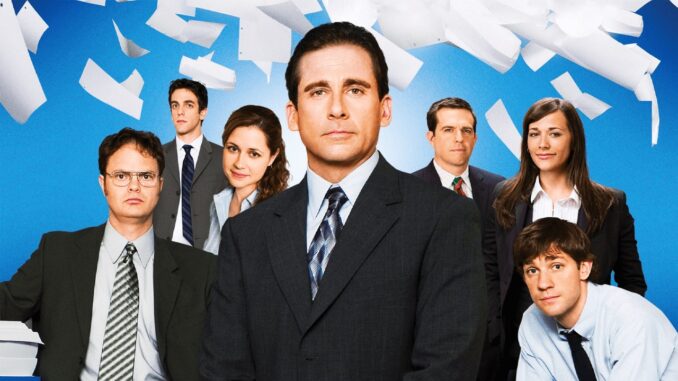
The Office Spinoff Debate — Rethinking TV’s Favorite Love Story
For years, fans of The Office have treated Jim and Pam as the gold standard of workplace romance. Their slow burn, playful glances, and heartfelt moments created a blueprint for modern TV relationships. But as conversations around a potential spinoff swirl, co-creator Stephen Merchant has sparked debate by suggesting that a Jim-Pam style romance might not work today.
That’s a bold claim. After all, their love story shaped an entire era of sitcom storytelling. So what changed? And why would a romance once seen as perfect suddenly feel complicated in a new series?
Let’s unpack the reasoning — and why this conversation matters more than nostalgia.
The Legacy of Jim and Pam
A Slow-Burn That Defined a Generation
When viewers first met Jim Halpert and Pam Beesly, their connection felt authentic. It wasn’t flashy. It wasn’t dramatic. It was subtle — the kind of relationship built on friendship first.
That realism made audiences root for them.
Unlike many sitcom couples who jump straight into romance, Jim and Pam evolved gradually. That patience made their eventual relationship feel earned.
Why Fans Still Care Years Later
Even now, clips of their moments go viral. The teapot letter. The parking lot confession. The wedding. These scenes aren’t just memories — they’re emotional landmarks.
So when someone suggests the formula wouldn’t work today, fans understandably react.
Stephen Merchant’s Perspective on Modern Storytelling
Television Has Changed — A Lot
Merchant’s argument isn’t that Jim and Pam were bad. It’s that storytelling has evolved.
Audiences now expect complexity. Relationships on screen often explore conflict, communication breakdowns, ambition, and individuality in deeper ways. The simple “will-they-won’t-they” arc that dominated 2000s sitcoms doesn’t carry the same weight anymore.
Viewers want nuance.
Realism Over Idealization
Merchant has often leaned toward grounded humor rather than fairy-tale endings. That philosophy suggests a modern spinoff would need to question romantic tropes instead of repeating them.
In other words, perfection isn’t interesting anymore. Imperfection is.
The Problem With Repeating the Same Romance Formula
Predictability Kills Tension
One reason Jim and Pam worked originally was uncertainty. Viewers didn’t know if they’d end up together.
In a spinoff, that mystery disappears. Trying to recreate the same dynamic risks feeling like déjà vu.
And audiences notice when stories feel recycled.
Nostalgia Can Become a Trap
Nostalgia is powerful, but it can also limit creativity. Lean too heavily on past success, and new stories struggle to stand on their own.
Merchant’s caution reflects a bigger industry challenge: how do you honor legacy without copying it?
Modern Relationships Are More Complicated on Screen
Career, Identity, and Independence
Today’s TV couples often navigate bigger questions — career sacrifices, personal growth, long-distance strain. Jim and Pam touched on these themes later, but early seasons focused more on romantic tension.
A spinoff would likely push those issues front and center.
Audiences Expect Both Partners to Evolve
Modern viewers want characters who grow individually, not just as a couple. That shift changes how romances are written.
A relationship can’t be the destination anymore. It has to be part of a larger journey.
The Workplace Comedy Landscape Has Shifted
The Office Changed the Genre — Now It Competes With Itself
When the show debuted, mockumentary workplace comedies were fresh. Now they’re everywhere. New series build on the blueprint that Ricky Gervais and Merchant helped create.
Romance Isn’t Always the Centerpiece Now
Many modern comedies focus on ensemble dynamics, social commentary, or character arcs rather than a single central couple. A Jim-Pam style focus might feel too narrow.
Why Jim and Pam Worked in the First Place
Timing Was Everything
Their story unfolded during a cultural moment when audiences craved sincerity. Reality TV was booming, social media was new, and viewers connected with awkward authenticity.
Jim and Pam felt real in a way scripted romances rarely did.
Chemistry Over Plot
Their relationship wasn’t driven by twists — it was driven by chemistry. That’s hard to recreate intentionally. Chemistry is lightning in a bottle.
And lightning doesn’t strike twice on command.
The Risk of Idealizing Classic TV Couples
Memory Edits Out the Messy Parts
Fans often remember the highlights, not the arguments, distance, or struggles that came later. Revisiting a beloved couple can expose flaws people forgot.
That doesn’t ruin the story — but it changes how it’s perceived.
H3: Modern Audiences Question “Perfect” Love Stories
Today, viewers are more skeptical of idealized romance. They ask: Is this healthy? Is this balanced? Do both characters get equal growth?
That scrutiny would reshape any Jim-Pam-like narrative.
What a Spinoff Could Do Instead
Focus on New Characters, Same Emotional DNA
Rather than copying Jim and Pam, a spinoff could capture the feeling — awkward connection, humor, vulnerability — through new people.
It’s like using the same recipe philosophy, not the same dish.
Explore Friendship as the Core
Interestingly, the strongest element of Jim and Pam wasn’t romance — it was friendship. A modern series might lean into that dynamic across multiple characters.
The Industry Reality Behind Spinoffs
Expectations Are Almost Impossible
When a show becomes iconic, any continuation faces a double bind: be different, but not too different. Familiar, but fresh.
That tension shapes creative decisions.
H3: Platforms Want Longevity, Not Just Nostalgia
Networks like NBC understand that long-term success depends on new stories. Nostalgia draws viewers in, but originality keeps them.
Fans vs Creators — A Classic Divide
Emotional Attachment vs Narrative Evolution
Fans experience stories emotionally. Creators view them structurally. Merchant’s perspective reflects storytelling mechanics rather than nostalgia.
Neither side is wrong — they just look through different lenses.
Debate Keeps the Franchise Alive
Ironically, questioning Jim and Pam’s formula proves how impactful it was. People only debate what they care about.
Could a Jim-Pam Style Romance Work — With a Twist?
Subverting Expectations
A modern version might start like a classic slow burn — then challenge it. Maybe timing fails. Maybe careers conflict. Maybe friendship remains the stronger bond.
That unpredictability could refresh the trope.
Complexity Is the New Comfort
Audiences now find comfort in realism rather than fantasy. Imperfect love stories feel more relatable.
Why This Conversation Matters Beyond One Show
It Reflects a Bigger TV Shift
The debate isn’t really about one couple. It’s about how storytelling evolves with culture.
Romance once served as the end goal. Now it’s part of the character journey.
Nostalgia vs Progress
Entertainment constantly negotiates between honoring the past and embracing change. Jim and Pam sit right at that intersection.
The Emotional Truth Still Holds
Even if Merchant is right that the formula wouldn’t work the same way, the emotional core remains powerful.
People connected with vulnerability. With friendship turning into love. With ordinary moments feeling meaningful.
Those themes never expire — only the packaging changes.
What Fans Can Expect Moving Forward
More Nuanced Relationships
If a spinoff happens, expect relationships that feel messier, more layered, and less predictable.
Legacy Without Replication
Creators often aim to echo tone rather than storyline. Think familiar warmth, new conflicts.
That approach respects history without being trapped by it.
Conclusion: Love Stories Evolve — And That’s a Good Thing
Stephen Merchant’s suggestion that a Jim-Pam romance might not work today isn’t a rejection of the original story. It’s an acknowledgment that audiences — and storytelling — evolve.
Jim and Pam captured a moment in television history when sincerity felt revolutionary. A spinoff exists in a different era, one that values complexity, individuality, and emotional realism.
The real takeaway? Iconic love stories don’t need to be repeated. They need to inspire new ones.
And maybe that’s the most fitting tribute of all.