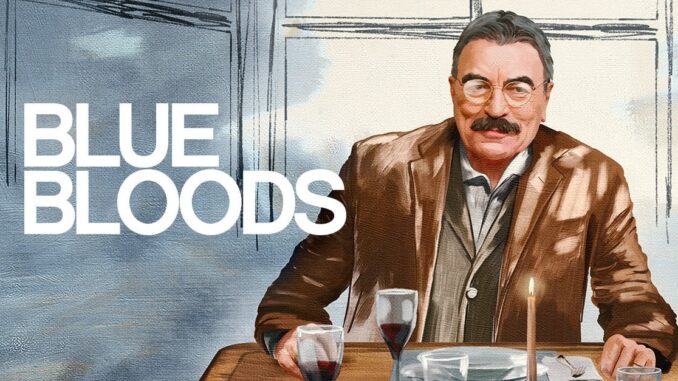
The Blue Bloods Universe Might Not Be Over Yet
For more than a decade, Blue Bloods has delivered family dinners, tough moral dilemmas, and classic police drama storytelling. So when rumors started swirling about a spinoff called Boston Blue, fans instantly leaned in.
The spark? A tease from Donnie Wahlberg, the actor behind Danny Reagan. His hints didn’t confirm everything — but they were enough to ignite social media.
And honestly, if you’ve watched this show, you know why people care. This isn’t just another procedural. It’s comfort TV. It’s tradition. It’s family.
So… is Boston the next chapter?
Let’s dig in.
Why Blue Bloods Built Such a Loyal Fanbase
A Crime Show That Feels Personal
Most police dramas focus on cases. Blue Bloods focused on people.
The Reagan family dinners became iconic — a storytelling device that turned law enforcement debates into emotional conversations. Viewers didn’t just watch crimes unfold; they watched relationships evolve.
That emotional core is exactly why talk of a spinoff hits differently.
Characters Fans Grew Up With
Danny Reagan’s intensity. Erin’s legal battles. Jamie’s growth. Frank’s leadership.
Over time, these characters stopped feeling fictional. They felt familiar — like relatives you check in on every week.
That’s rare television magic.
Donnie Wahlberg’s Tease — What He Actually Said
A Hint, Not a Confirmation
Wahlberg didn’t drop a press release. He dropped breadcrumbs.
Interviews, social posts, and behind-the-scenes comments
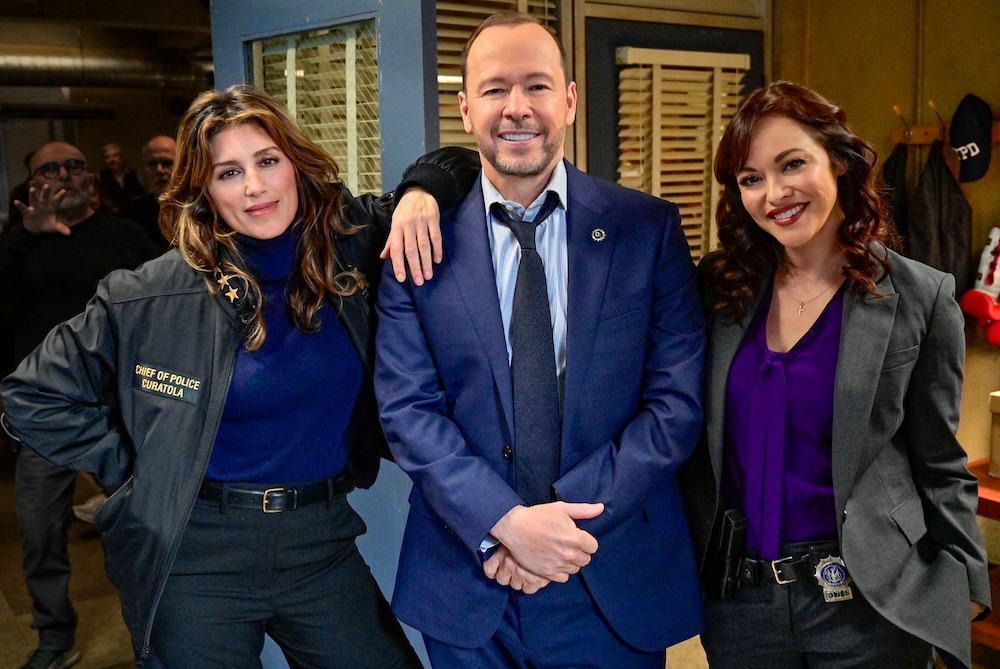 suggested conversations were happening about continuing the Blue Bloods world — possibly outside New York.
That’s where “Boston Blue” entered the conversation.
Why Boston Makes Sense
Here’s the thing: Boston isn’t random.
Wahlberg has deep ties to the city. The vibe matches the franchise — working-class, family-driven, tradition-heavy. It feels like a natural extension rather than a forced reboot.
And fans noticed immediately.
What ‘Boston Blue’ Could Look Like
A New City, Same DNA
A spinoff doesn’t need to copy the original. It needs to carry its spirit.
Think:
-
Family dynamics
-
Moral gray areas
-
Character-first storytelling
-
Long-running arcs instead of case-of-the-week only
Boston offers fresh stories while keeping the emotional structure intact.
Potential Story Angles
-
Multi-generation law enforcement families
-
Organized crime tied to local history
-
Political tensions within policing
-
Personal stakes that ripple through the city
In other words: familiar, but new.
Fans React — Excitement, Hope, and a Little Anxiety
Social Media Buzz
The moment Wahlberg hinted at a spinoff, reactions poured in.
Some fans were thrilled. Others were cautious. Many simply said: Don’t let this world disappear.
It’s the classic reaction when a long-running show faces change.
Why Spinoffs Feel Risky
Fans worry about:
-
Losing the original tone
-
Missing key characters
-
Studios chasing trends instead of storytelling
But when done right, spinoffs extend a universe rather than dilute it.
The Industry Loves Franchise Storytelling
Television Has Changed
Networks don’t just want shows anymore. They want universes.
Crime dramas especially lend themselves to expansion because the format allows endless new characters and locations.
If Blue Bloods continues through Boston Blue, it follows a very modern TV strategy.
Familiarity Drives Viewership
Viewers are overwhelmed with content. A known brand cuts through the noise.
You already trust the tone. You already understand the world. That lowers the barrier to trying something new.
Could Danny Reagan Lead the Spinoff?
The Big Question
If Boston Blue happens, fans immediately ask: will Danny move?
That possibility creates dramatic tension. A character relocation is storytelling gold — new environment, old habits, emotional fallout.
Why It Works Narratively
Moving a character forces change:
-
New partnerships
-
New conflicts
-
Personal reinvention
It keeps long-time viewers invested while welcoming newcomers.
The Role of Legacy Characters
Cameos Matter
Even a few appearances from original cast members would anchor the spinoff.
It’s like visiting home — brief, meaningful, emotional.
H3: The Frank Reagan Factor
The presence of Tom Selleck as Frank Reagan defined the original series’ authority and tone. Whether through appearances, references, or influence, that legacy would likely shape any continuation.
Because Blue Bloods has always been about mentorship as much as policing.
Network Strategy Behind the Scenes
Why the Network Would Want This
For CBS, Blue Bloods is dependable. It attracts consistent viewers — something increasingly rare.
A spinoff preserves that audience while refreshing the brand.
Lower Risk, High Reward
Spinoffs reduce uncertainty. The fanbase already exists.
That’s powerful in an era of constant cancellations.
What Makes Boston a Strong Setting
Built-In Story Texture
Boston brings history, politics, and distinct neighborhoods. That creates natural storytelling layers without forcing complexity.
The city itself becomes a character.
Tone Alignment
Boston’s identity — tough, loyal, proud — mirrors the Reagan family ethos. That emotional continuity matters more than plot details.
The Emotional Side of Continuing a Beloved Show
Fans Don’t Want Goodbye — They Want Evolution
When long-running series end, viewers often feel like they’re losing routine.
A spinoff softens that ending. It says: the story continues, just differently.
Nostalgia Meets Curiosity
That balance is key.
Too much nostalgia feels stagnant. Too much change feels disconnected. The sweet spot is evolution.
Challenges ‘Boston Blue’ Would Face
Living Up to Expectations
The biggest obstacle isn’t ratings — it’s comparison.
Every scene would be measured against the original.
Finding Its Own Identity
The show would need:
-
Distinct characters
-
New thematic focus
-
Visual differences
-
Unique pacing
Otherwise it risks feeling like imitation.
Why Donnie Wahlberg Is the Perfect Bridge
Audience Trust
Wahlberg understands the fanbase because he’s been part of it for years. His involvement signals continuity rather than replacement.
Energy Shift
Danny Reagan brought intensity to Blue Bloods. That energy could anchor a new ensemble while allowing different emotional tones around him.
Think of him as the connective tissue.
What This Means for the Future of Crime TV
Character-Driven Procedurals Are Back
Streaming changed pacing, but audiences still crave character-focused storytelling. Blue Bloods proved that slow-burn emotional arcs can thrive.
A spinoff would reinforce that trend.
The Rise of Regional Storytelling
Moving stories to different cities allows franchises to explore culture without abandoning structure.
Boston Blue could be a textbook example.
The Bigger Picture — TV Universes Are About Community
Shows like Blue Bloods succeed because they build community between viewers and characters.
A spinoff isn’t just business. It’s relationship maintenance.
It tells fans: We’re not done with you yet.
Will ‘Boston Blue’ Actually Happen?
Development Is a Long Road
Hints don’t equal greenlights. Projects evolve, stall, or transform.
But public interest matters — and this conversation is loud.
Momentum Is Real
When fans talk, networks listen. And right now, they’re definitely talking.
Conclusion: A New Chapter Could Be the Perfect Ending — Or Beginning
Donnie Wahlberg’s tease didn’t just spark speculation. It reopened emotional investment in a world viewers aren’t ready to leave.
Boston Blue represents possibility. A chance to preserve what worked while exploring something new. If done thoughtfully, it could extend the legacy rather than replace it.
Because great television doesn’t really end. It evolves.
And sometimes, the next city holds the next story.