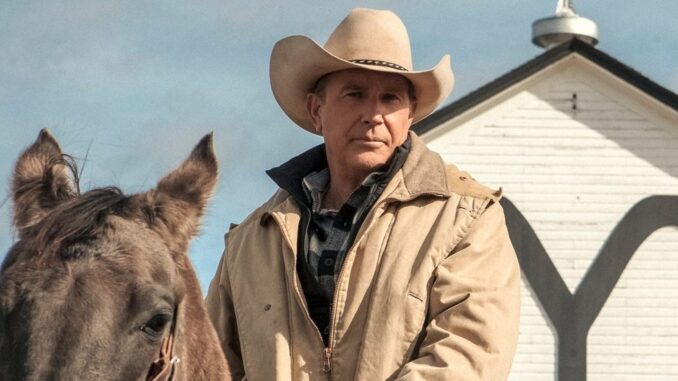
Kevin Costner’s The West Rides Again Into the Wild West With New History Channel Series
The American frontier never truly fades — it lingers in dusty trails, campfire stories, and the cinematic legacy of one man: Kevin Costner. Now, the legendary actor and storyteller is back in the saddle with Kevin Costner’s The West, a sweeping historical series on the History Channel that dives deep into the myths, realities, and raw human drama of the Wild West.
This isn’t just another Western. It’s an immersive retelling — equal parts documentary, cinematic storytelling, and cultural reflection — designed to pull modern audiences straight into America’s most mythologized era.
Let’s unpack why this series matters, what makes it different, and why the West still captures our imagination.
A New Western Chapter Begins
Kevin Costner has spent decades shaping how we see the frontier. From epic films to television drama, he doesn’t just act in Westerns — he curates them.
With Kevin Costner’s The West, he shifts from fiction to history. The series explores real events, real figures, and the complicated truths behind the cowboy mythology.
Think less shootouts for spectacle… more storytelling with weight.
Why Kevin Costner Keeps Returning to the West
The Frontier as a Personal Passion
For Costner, the West isn’t a genre — it’s an identity. His work consistently circles themes of land, legacy, justice, and survival.
You can see the thread from classics to modern hits like Yellowstone, where frontier conflicts evolve into modern ranch politics.
Western Stories Reflect American Identity
The Wild West represents possibility. Reinvention. Conflict between progress and preservation.
Costner understands that tension — and audiences feel it too.
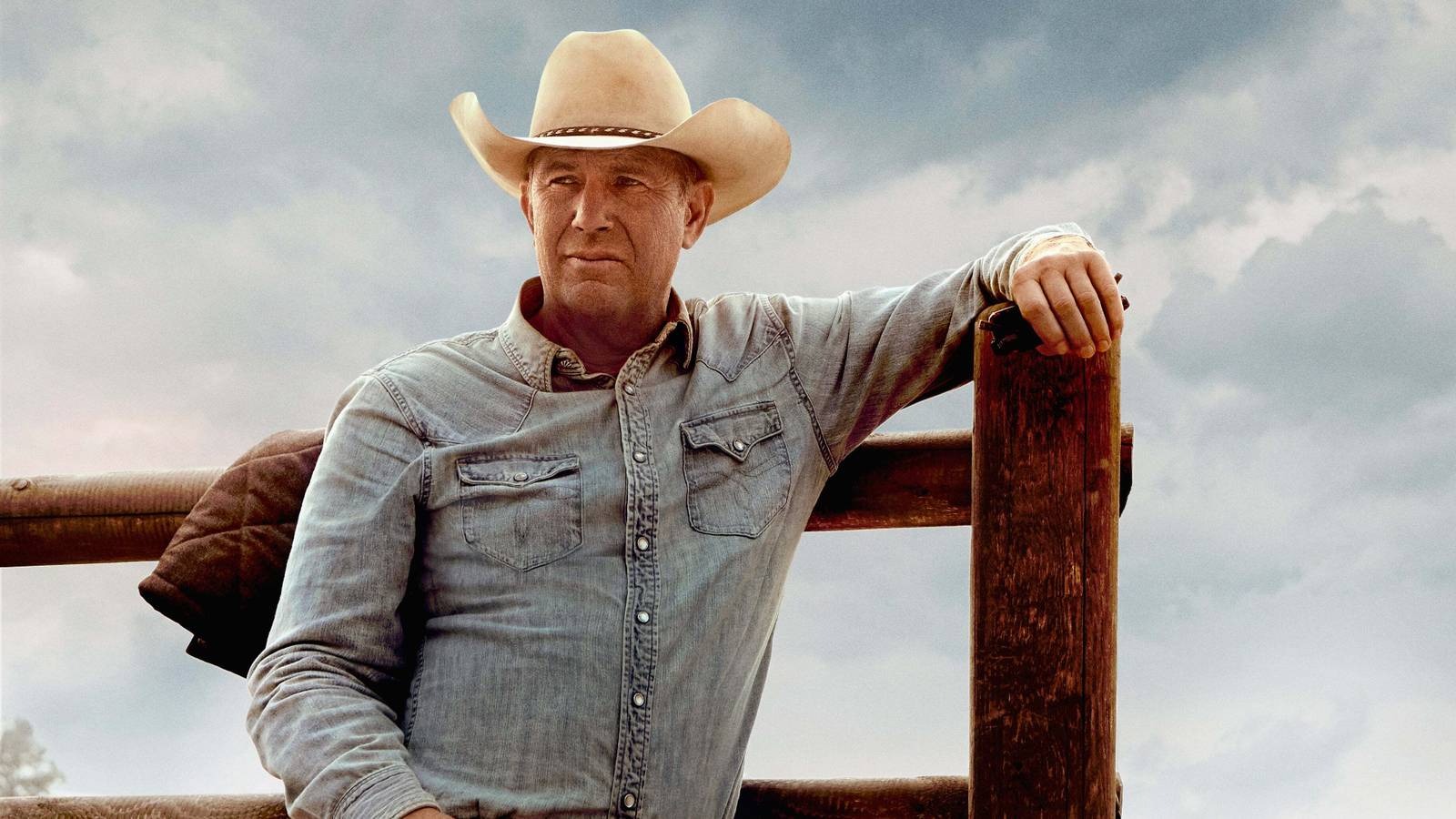
What Kevin Costner’s The West Is About
A Documentary With Cinematic DNA
This series blends:
-
Historical analysis
-
Dramatic reenactments
-
Expert commentary
-
Costner’s signature narration
The result feels less like a lecture and more like a prestige drama rooted in fact.
Stories Beyond Cowboys
The show expands the narrative to include:
-
Indigenous perspectives
-
Settlers and pioneers
-
Lawmen and outlaws
-
Women shaping frontier communities
It reframes history as layered, messy, and human.
Breaking the Myth of the Wild West
For decades, Western media simplified the frontier into heroes vs. villains.
This series challenges that.
Complexity Over Legend
Not every outlaw was evil.
Not every lawman was noble.
Not every expansion was progress.
The West becomes a moral gray zone — which is far more compelling.
The Production Scale Feels Like Prestige Television
You can feel Costner’s cinematic fingerprints everywhere.
Wide landscapes. Slow tension. Emotional narration.
It mirrors the visual ambition of his recent film project, Horizon: An American Saga, which also explores frontier life with sweeping scale.
Authentic Locations and Detail
The series leans heavily into realism:
-
Period costumes
-
Accurate weaponry
-
Real geography
-
Historically grounded dialogue
That authenticity builds trust with viewers.
Why Westerns Are Trending Again
It’s not nostalgia alone.
Modern audiences crave grounded stories with clear stakes — land, family, survival.
The Anti-Hero Era Fits the West Perfectly
The frontier is basically the birthplace of anti-heroes.
Characters operate without clear rules.
Morality becomes situational.
Sound familiar? That’s modern storytelling.
The Educational Value Behind the Entertainment
This isn’t just binge content.
Teachers, history fans, and documentary lovers will find substance here.
Humanizing Historical Figures
Instead of dates and battles, the series focuses on people:
-
Their fears
-
Their ambitions
-
Their contradictions
History becomes relatable.
Kevin Costner as Narrator — Why It Works
Costner’s voice carries authority without feeling academic.
He speaks like someone telling a story around a fire — measured, reflective, personal.
Trust Matters in Historical Storytelling
Audiences trust storytellers who respect the material. Costner has built that credibility over decades.
The Cultural Impact of Re-Examining the West
Revisiting frontier history isn’t about romanticizing it. It’s about understanding how the past shapes present debates:
-
Land ownership
-
Indigenous rights
-
Migration
-
Law and order
The series quietly connects those dots.
The Emotional Core — Survival and Reinvention
At its heart, the Wild West is about starting over.
People traveled thousands of miles chasing possibility. That emotional drive still resonates today.
Why Viewers See Themselves in Frontier Stories
We all face unknown territory — career changes, moves, risks.
The frontier becomes metaphor.
How The Series Balances Spectacle and Truth
Many history shows struggle with tone. Too academic, you lose viewers. Too dramatic, you lose credibility.
Costner walks the middle path.
Story First, Facts Always
Drama enhances understanding rather than replacing it.
Audience Reaction and Early Buzz
There’s growing excitement for the series because it hits multiple audiences at once:
-
Western fans
-
Documentary lovers
-
Costner loyalists
-
Casual viewers curious about history
It’s rare crossover appeal.
The Legacy Kevin Costner Is Building
Costner’s career increasingly looks like a long conversation about America’s relationship with land and power.
From Actor to Historian-Storyteller
He’s evolving into something more than a performer — a curator of cultural memory.
What Makes This Series Different From Other Western Documentaries
Three things stand out:
-
Narrative ambition
-
Emotional framing
-
Cinematic production value
It doesn’t just inform — it immerses.
The Future of Western Storytelling
If this series succeeds, expect more historical Western content.
Streaming platforms and networks are realizing the genre still has depth left.
The West Isn’t Finished — It’s Evolving
Modern Westerns ask harder questions. That shift keeps the genre alive.
Why You Should Watch Kevin Costner’s The West
If you like stories about:
-
Identity
-
Conflict
-
Reinvention
-
Real history told dramatically
This series delivers.
It respects intelligence while staying entertaining — a difficult balance.
Conclusion
Kevin Costner’s The West proves that frontier storytelling still matters. By blending cinematic storytelling with historical depth, the series strips away old myths and replaces them with something richer — humanity.
Kevin Costner isn’t just revisiting the Wild West. He’s reframing it. Showing us that history isn’t a dusty archive but a living story that explains who we are.
The horses may be slower. The guns quieter. But the questions are louder than ever.
And that’s exactly why the West rides again.