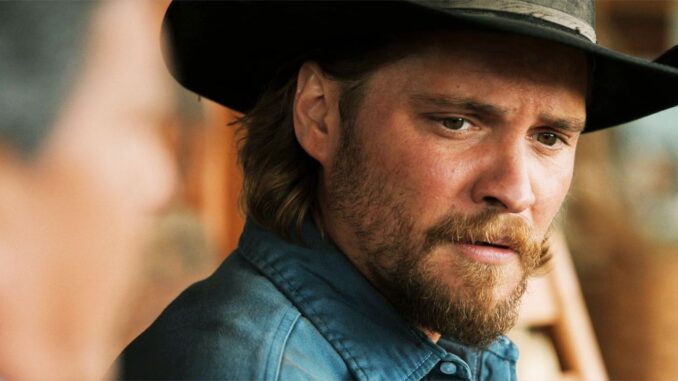
The Expanding Yellowstone Universe Gets Bigger With ‘Marshals’
If you’ve been following the unstoppable rise of the modern Western TV phenomenon, you already know the world of Yellowstone isn’t slowing down. Every new project adds another layer to its rugged storytelling, complex characters, and cinematic scale.
Now, all eyes are on ‘Marshals’, the newest spinoff generating serious buzz. But the biggest question fans keep asking is simple: how involved is Taylor Sheridan really?
The creator of Marshals finally addressed that mystery — and the answer is more nuanced than many expected.
Why the Yellowstone Franchise Keeps Dominating Television
The Western genre used to feel nostalgic. Then Yellowstone arrived and made it urgent again.
A Storytelling Formula That Works
Sheridan built a world where family drama collides with politics, land disputes, and moral gray zones. It feels epic but personal — like Shakespeare on horseback.
Spinoffs That Deepen the World
Instead of repeating the same formula, each expansion explores a new angle: different eras, different professions, different stakes. That’s exactly where Marshals fits.
What ‘Marshals’ Is About
At its core, Marshals shifts the lens from ranch power struggles to federal law enforcement operating in the same rugged landscape.
A New Perspective on the West
Think less family dynasty, more boots-on-the-ground justice. Lawmen navigating crime, territory, and the blurred line between right and wrong.
Familiar Tone, Fresh Stakes
The tension fans love remains — but the power dynamics change. Instead of defending land, characters defend order.
The Big Question — Is Taylor Sheridan Running the Show?
When any project connects to Yellowstone, people assume Sheridan is steering every detail. But the creator of Marshals offered clarity.
Sheridan as Architect, Not Day-to-Day Builder
According to the reveal, Sheridan helped shape the concept, tone, and universe alignment. However, he isn’t necessarily overseeing every script or production decision.
That distinction matters.
It means Marshals belongs to the same storytelling DNA — but it also has room to breathe.
Why This Approach Makes Sense
Creative universes grow stronger when new voices contribute. Sheridan’s blueprint stays intact while different storytellers explore corners he hasn’t fully mapped.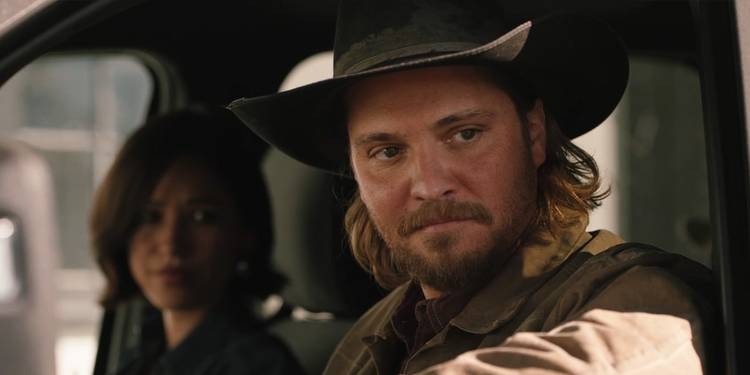
The Strategy Behind Shared TV Universes
Hollywood loves cinematic universes. Television is catching up fast.
Audiences Want Continuity
Viewers enjoy recognizing locations, references, and themes. It creates emotional investment.
But They Also Want Surprise
Too much creative control from one person can make projects feel repetitive. Sheridan stepping back slightly may actually protect the franchise’s longevity.
How ‘Marshals’ Connects to Yellowstone Without Copying It
This is where things get interesting.
Shared Geography
The same landscapes, communities, and conflicts appear — but from a law enforcement lens.
Overlapping Themes
Power, loyalty, survival. These ideas remain the heartbeat of the universe.
Different Moral Questions
Ranchers defend territory. Marshals enforce rules. What happens when those collide? That tension could drive the show.
The Creative Freedom Factor
Sheridan’s partial involvement signals trust.
New Voices Can Expand Tone
Maybe Marshals leans more procedural. Maybe it explores crime networks more deeply. That flexibility keeps things fresh.
Risk Creates Innovation
The best spinoffs aren’t clones — they’re reinterpretations.
Why Fans Care About Sheridan’s Role So Much
It’s simple: credibility.
Sheridan’s name has become shorthand for cinematic television — sweeping visuals, layered characters, and slow-burn storytelling.
His Brand Equals Quality
When audiences hear he’s involved, expectations rise instantly.
But Oversaturation Is a Risk
Too many projects under one creator can dilute impact. Strategic involvement prevents that.
What Makes ‘Marshals’ Potentially Different From Other Spinoffs
Most spinoffs expand characters or timelines. Marshals expands profession and perspective.
A Procedural Hybrid
Imagine the emotional weight of Yellowstone mixed with investigative storytelling.
Broader World-Building
Law enforcement introduces new antagonists, new stakes, and new story engines.
The Business Reason Behind Expanding the Universe
This isn’t just creative — it’s strategic.
Franchise Loyalty Drives Streaming
Fans who love one show often watch everything connected to it.
Risk Reduction
Launching a brand-new series is risky. A connected show starts with built-in audience trust.
What the Creator’s Comments Really Mean
The reveal wasn’t about distancing Sheridan. It was about redefining involvement.
He Sets Direction
Tone, themes, and universe logic.
Others Execute the Journey
Scripts, character arcs, and episodic storytelling.
Think of Sheridan as the mapmaker — not always the driver.
Potential Storylines Fans Are Already Speculating About
You can feel the theories spreading across social media.
Crossovers
Will familiar faces appear? Even brief cameos would electrify viewers.
Conflicts Between Ranchers and Lawmen
This seems inevitable. Authority versus autonomy is classic Western tension.
Criminal Networks in Rural America
A natural evolution of the universe’s darker themes.
The Tone Challenge Every Spinoff Faces
Too similar? Fans complain. Too different? Fans panic.
Finding the Sweet Spot
Keep emotional depth. Change storytelling structure.
Early Signs Look Promising
The creator’s comments suggest intentional balance.
Why This Move Signals the Future of Prestige TV
We’re watching television shift toward interconnected storytelling ecosystems.
Writers Become Universe Designers
Sheridan helped popularize that model.
Audiences Follow Worlds, Not Just Shows
People don’t just watch a series — they live inside its universe.
The Pressure on ‘Marshals’ Is Massive
Success isn’t optional. It’s expected.
Franchise Expectations Are High
Viewers assume cinematic quality from day one.
H3: But Pressure Can Elevate Creativity
Constraints force sharper storytelling.
What This Means for the Yellowstone Legacy
Every spinoff either strengthens or weakens the core brand.
If ‘Marshals’ Works
The universe becomes one of television’s most influential modern franchises.
If It Doesn’t
Fans may question expansion strategy.
The stakes are real — creatively and commercially.
Final Thoughts — Sheridan’s Presence Without Overshadowing
Here’s the key takeaway: Sheridan is still the gravitational force, but not the only star in orbit.
That might be the smartest move possible.
Creative universes thrive on evolution. By guiding rather than controlling, Sheridan allows Marshals to stand on its own while staying unmistakably connected.
And honestly? That balance could be exactly what keeps the franchise alive for years.
Conclusion
The reveal about Taylor Sheridan’s actual involvement in Marshals isn’t a disappointment — it’s a strategy. He helped build the world, shape the tone, and ensure continuity, but he’s allowing new storytellers to push boundaries.
That approach signals confidence. Confidence in the universe. Confidence in the audience. And confidence that great storytelling doesn’t need one voice — it needs a shared vision.
If Marshals delivers on its promise, it won’t just be another spinoff. It could redefine how television franchises grow — expanding sideways instead of repeating themselves.
And that’s the kind of evolution fans have been waiting for.