A New Workplace Comedy Steps Out of a Giant Shadow
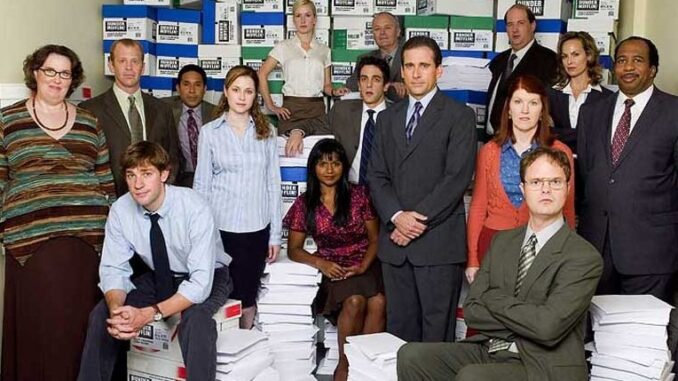
Workplace comedies live and die by their bosses. Think about it — the leader sets the tone, fuels the chaos, and often becomes the emotional center of the show. That’s exactly why fans are paying attention to what Domhnall Gleeson is saying about his upcoming series The Paper.
According to Gleeson, viewers expecting another awkward, lovable disaster like Michael Scott from The Office may be surprised. This time, the boss is cut from an entirely different cloth.
And that difference could reshape how we see workplace comedy.
Why Comparisons to The Office Were Inevitable
Let’s be honest — any mockumentary-style workplace comedy will be compared to The Office. It’s cultural gravity.
The Legacy of an Iconic Sitcom
The Office didn’t just entertain; it redefined awkward humor. Its mix of cringe, heart, and absurd realism created a template many shows still follow.
The Michael Scott Effect
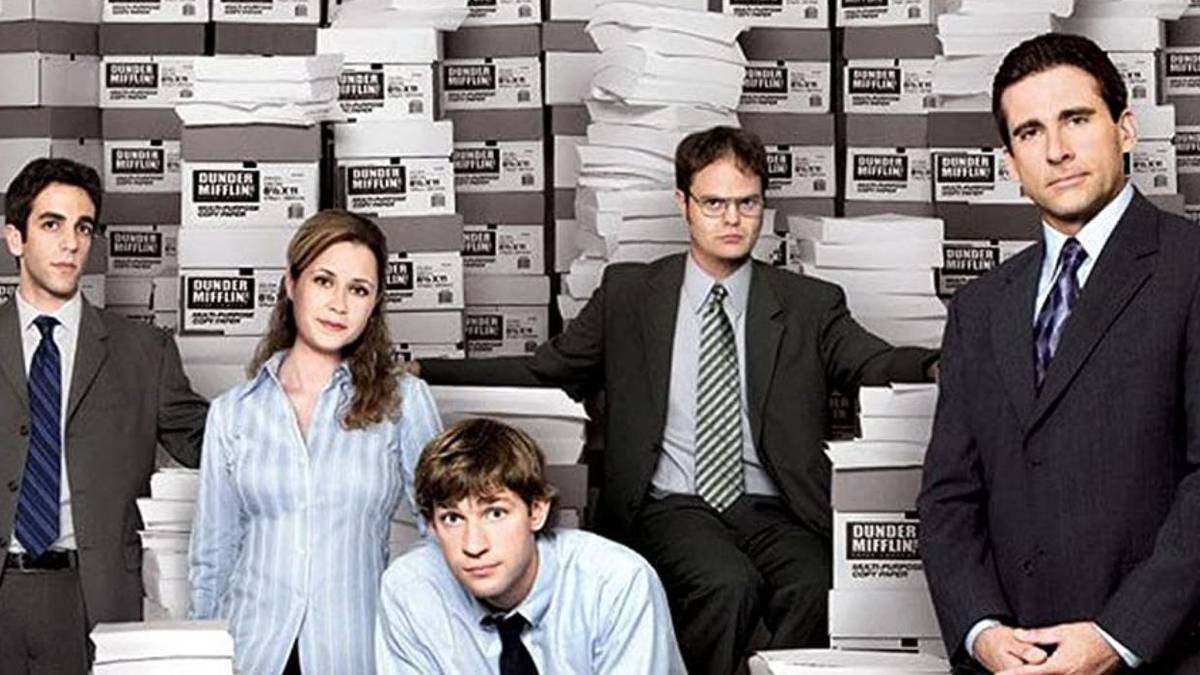
The character portrayed by Steve Carell embodied chaotic leadership. He was inappropriate, clueless, yet strangely lovable. That combination made audiences forgive almost anything.
So when a new show enters the same territory, expectations come loaded.
Domhnall Gleeson’s Take — A Different Kind of Boss
Gleeson has made it clear: the boss in The Paper isn’t trying to be funny.
That alone is a radical shift.
Competence Over Chaos
Instead of stumbling through meetings and oversharing personal stories, this leader operates with intention. The humor doesn’t come from incompetence — it comes from tension.
Subtle Comedy Instead of Big Cringe
Imagine humor that simmers rather than explodes. Less second-hand embarrassment, more sharp observation.
It’s like trading slapstick for satire.
The Evolution of Workplace Comedy
Comedy evolves with culture. What felt hilarious in 2005 doesn’t always land the same today.
Audiences Want Smarter Humor
Viewers now expect layered characters. They want bosses who feel real — flawed but believable.
The Rise of Dry, Character-Driven Comedy
Shows increasingly lean into uncomfortable truths about work: power dynamics, burnout, ambition. Humor grows from recognition rather than absurdity.
What Makes The Paper Stand Out
So what exactly separates The Paper from its predecessors?
Tone
The show leans quieter. Think awkward pauses, meaningful glances, and conversations that say more than punchlines.
Character Depth
Instead of one comedic centerpiece, the ensemble carries the story. The boss becomes a catalyst, not a clown.
Real Stakes
Work matters in this world. Promotions, layoffs, creative conflict — the tension feels tangible.
Domhnall Gleeson’s Performance Style
Gleeson thrives in nuance. He’s known for characters who reveal themselves slowly.
Understatement as Power
Rather than dominating scenes, he lets moments breathe. That restraint can make small reactions feel huge.
Emotional Authenticity
His approach suggests The Paper will prioritize human connection over gag frequency.
The Anti-Michael Scott Archetype
If Michael Scott represents chaotic leadership, this new boss represents controlled unpredictability.
Authority Without Loudness
Leadership here isn’t about being liked — it’s about decisions. That shift changes the comedic engine.
Humor From Discomfort, Not Foolishness
Instead of laughing at the boss, we laugh at situations the boss creates by being too serious, too strategic, or too distant.
It’s comedy born from friction.
Why This Shift Matters for TV
Television reflects workplace reality. And workplaces have changed.
Post-Remote Work Dynamics
Modern offices are hybrid, digital, fragmented. Leadership looks different. Comedy must adapt.
Power Conversations Are Central
Audiences are more aware of hierarchy, culture, and emotional labor. A competent boss can be just as funny — and sometimes more revealing.
Fan Expectations vs Creative Risks
Any show stepping near The Office faces a balancing act.
Nostalgia Pull
Fans crave familiar comfort. The mockumentary style triggers that instantly.
The Need to Innovate
But copying the past guarantees comparison. Differentiation is survival.
The Paper appears to choose risk.
Comedy Without a Safety Net
When a boss isn’t the joke, writers must work harder.
Ensemble Chemistry Becomes Crucial
Every character carries comedic weight. Dynamics replace punchlines.
Writing Must Be Precise
Subtle humor fails if dialogue isn’t sharp. Timing becomes everything.
Themes The Paper May Explore
Based on early insight, the show seems poised to tackle:
-
Creative pressure
-
Corporate identity
-
Workplace loneliness
-
Quiet ambition
-
Professional boundaries
These themes resonate because they’re universal.
The Psychological Shift in Humor
Cringe comedy asks: “Can you believe this person?”
Character-driven comedy asks: “Have you felt this?”
That difference deepens engagement.
Why Domhnall Gleeson Was the Right Choice
Casting signals intention.
He Brings Gravitas
Even in comedy, he carries emotional weight. That grounds the show.
He Avoids Caricature
Gleeson rarely plays exaggerated figures. That aligns perfectly with a more realistic boss.
Could The Paper Become the Next Workplace Classic?
It’s possible — but for different reasons.
Not because it repeats history, but because it reflects the present.
Longevity Comes From Relatability
Audiences return to shows that mirror their lives. If The Paper captures modern work culture, it has staying power.
The Bigger Trend — Smarter Sitcoms
Television comedy is maturing.
Blending Comedy and Drama
Boundaries blur. Emotional arcs coexist with humor.
Leadership as Narrative Engine
Boss characters are evolving from punchline machines into thematic anchors.
What Viewers Should Watch For
When The Paper premieres, pay attention to:
-
Silence — it may be intentional comedy
-
Eye contact — power shifts live there
-
Small decisions — they drive story tension
-
Ensemble reactions — they reveal tone
Sometimes the funniest moment is the one that almost isn’t a joke.
Conclusion: A Workplace Comedy That Chooses Realism Over Chaos
Domhnall Gleeson’s insight signals a clear direction: The Paper isn’t trying to replace The Office. It’s trying to move the conversation forward.
Where Michael Scott thrived on awkward spectacle, this new boss may thrive on quiet authority. That shift reflects how audiences — and workplaces — have changed.
Comedy doesn’t need louder characters anymore. It needs sharper observation.
If executed well, The Paper could prove that the next great workplace comedy isn’t about who embarrasses themselves the most — but who understands the room.
And sometimes, that’s far more interesting.