
A New Frontier for the Yellowstone Universe
The modern TV landscape thrives on expansion. Franchises evolve, spin off, and reinvent themselves to stay relevant. That’s exactly what happens with Marshals, a bold new entry that pushes the beloved ranch drama into the territory of high-stakes law enforcement storytelling.
Rather than repeating the formula that made Yellowstone a phenomenon, the series pivots. It keeps the emotional weight, moral complexity, and rugged tone fans love, but reframes them inside the rhythm of a police procedural.
And honestly? It works better than expected.
Luke Grimes Steps Into Center Stage
At the heart of the show is Luke Grimes, who finally gets the spotlight long teased in earlier seasons.
From Supporting Player to Leading Man
Grimes spent years portraying Kayce Dutton as a man caught between worlds — family loyalty, personal trauma, and duty. Marshals builds directly on that internal conflict.
Here, Kayce isn’t just reacting to chaos. He’s responsible for stopping it.
Why His Performance Feels Different
Grimes brings restraint instead of bravado. His version of a lawman isn’t flashy. It’s tired eyes, quiet decisions, and bursts of intensity when the situation demands it.
That grounded energy gives the show credibility.
The Premise — Western Morality Meets Modern Crime Drama
Marshals follows federal and regional law enforcement operating across rural America — the kind of terrain rarely explored in procedural television.
Instead of big cities and sleek offices, the series delivers:
-
Dusty highways
-
Remote communities
-
Jurisdiction conflicts
-
Personal relationships that complicate every case
The result feels like True Detective wearing cowboy boots.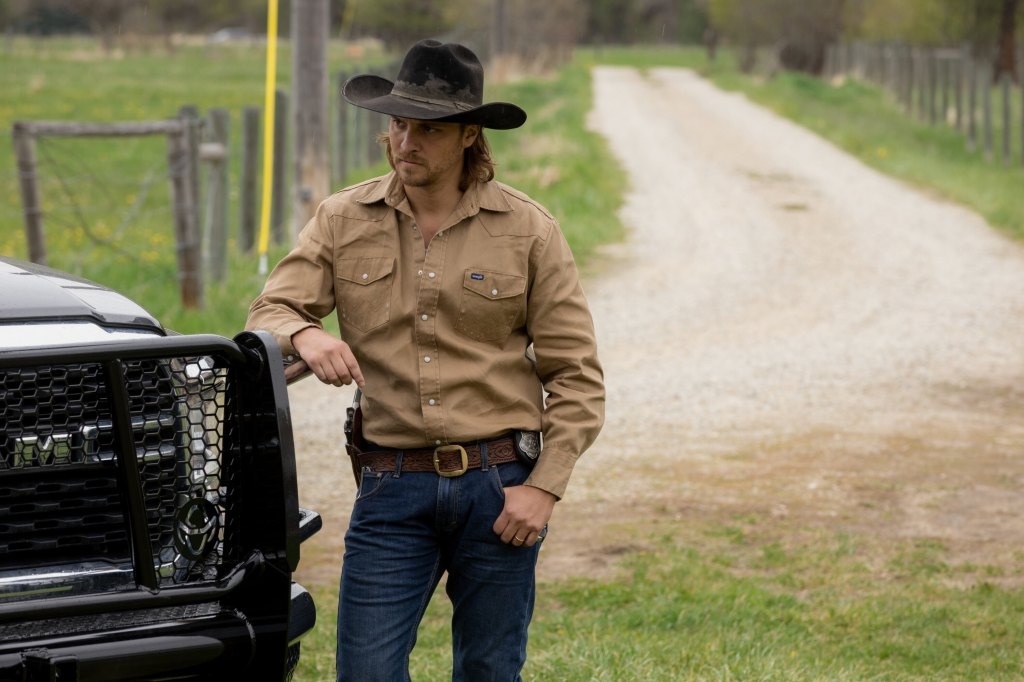
A Natural Evolution Crafted by Taylor Sheridan
The creative DNA remains unmistakable thanks to Taylor Sheridan.
Sheridan understands tension rooted in place. His stories rarely separate crime from geography or identity. Marshals continues that philosophy, treating law enforcement not as spectacle but as consequence.
You don’t just watch crimes unfold. You feel the ripple effects.
Tone — Slower, Darker, More Intimate
Unlike fast-paced procedural shows that rely on weekly twists, Marshals embraces patience.
Character Over Case
Yes, there are investigations. But the real focus is the people carrying them out.
Every arrest carries emotional baggage.
Every decision echoes past trauma.
Every victory feels temporary.
Western Storytelling Still Lives Here
Even with badges replacing ranch fences, the themes remain familiar:
-
Loyalty
-
Land
-
Justice versus revenge
-
The cost of violence
It still feels like Yellowstone — just reframed.
What Makes Marshals Different From Other Procedurals
Most police dramas follow a predictable rhythm: crime, clues, confrontation, resolution.
Marshals disrupts that.
Ambiguous Endings
Sometimes cases don’t resolve cleanly. Sometimes the “right” decision hurts someone innocent.
Geography as a Character
Distance matters. Backup takes time. Isolation changes choices.
Emotional Continuity
Cases bleed into future episodes, creating a serialized procedural hybrid that keeps viewers invested.
The Supporting Cast Elevates the Series
While Grimes anchors the show, the ensemble prevents it from becoming a one-man story.
You get:
-
Veteran law enforcement figures with hardened perspectives
-
Younger deputies learning brutal lessons quickly
-
Community members who aren’t clearly heroes or villains
This layered dynamic gives the world texture — something procedural TV often lacks.
Cinematography — Beauty and Brutality Side by Side
Visually, Marshals is stunning.
Wide landscapes contrast with claustrophobic interiors. Sunsets frame tense conversations. Violence feels abrupt, not stylized.
The camera lingers. That patience creates atmosphere.
You feel the silence before danger arrives.
Action That Serves Story
There’s action — shootouts, chases, confrontations — but it never feels like filler.
Each sequence answers a question:
What does justice cost?
Who carries the aftermath?
Is violence ever truly finished?
That thematic consistency keeps the show grounded.
How Marshals Expands the Franchise’s Themes
Yellowstone explored power through land ownership and family legacy. Marshals explores power through authority.
Law Versus Loyalty
Kayce’s central conflict intensifies. When your job demands objectivity but your history demands loyalty, what wins?
Institutional Complexity
The show doesn’t portray law enforcement as purely heroic. It examines bureaucracy, politics, and moral gray areas.
That nuance feels refreshing.
Pacing — A Slow Burn That Rewards Patience
Some viewers expecting constant action might struggle early.
But stick with it.
The slow pacing allows:
-
Character growth
-
Emotional payoffs
-
Tension that feels earned
Think of it like a simmering pot rather than a microwave meal.
Fan Reaction — Cautious Excitement Turning Into Praise
Initial skepticism was understandable. Franchise spin-offs often feel unnecessary.
Yet early reactions highlight:
-
Strong character focus
-
Cinematic quality
-
Luke Grimes’ breakout performance
-
A unique procedural tone
Many fans see it as one of the franchise’s smartest risks.
Potential Challenges Ahead
No show is perfect.
Balancing Case-of-the-Week With Serialization
Too procedural, and it loses emotional depth. Too serialized, and casual viewers struggle.
Avoiding Franchise Fatigue
The Yellowstone universe is massive. Marshals must maintain its identity to stand out.
Sustaining Character Arcs
The show’s strength is internal conflict. That requires careful writing long-term.
Why Marshals Matters for Television Trends
TV audiences increasingly crave genre blending.
Marshals represents:
-
Western + procedural
-
Character drama + crime storytelling
-
Franchise expansion done thoughtfully
It shows spin-offs can evolve rather than replicate.
The Emotional Core — A Story About Responsibility
Beneath the investigations lies a simple idea: responsibility changes people.
Kayce isn’t just chasing criminals. He’s confronting himself.
The show asks viewers:
What does it mean to protect others?
How much of yourself do you lose in the process?
Those questions linger after episodes end.
Final Verdict — A Risk That Pays Off
Marshals doesn’t try to outdo Yellowstone. It reframes it.
It trades ranch politics for institutional tension, family conflict for moral responsibility, but keeps the emotional authenticity intact.
Luke Grimes delivers his strongest work. The storytelling feels confident. The atmosphere is immersive.
If the series maintains this direction, it could redefine what franchise spin-offs look like.
And more importantly — it proves the Yellowstone universe still has new territory to explore.
Conclusion
Marshals stands as a compelling evolution rather than a simple continuation. By blending Western storytelling with procedural structure, it creates something familiar yet refreshingly distinct. Luke Grimes anchors the series with quiet intensity, while the writing embraces moral complexity instead of easy answers.
The show feels less like a spin-off and more like a new lens on the same world — one where justice replaces land as the central battleground. If television is about reinvention, Marshals is a strong example of how to expand a universe without losing its soul.