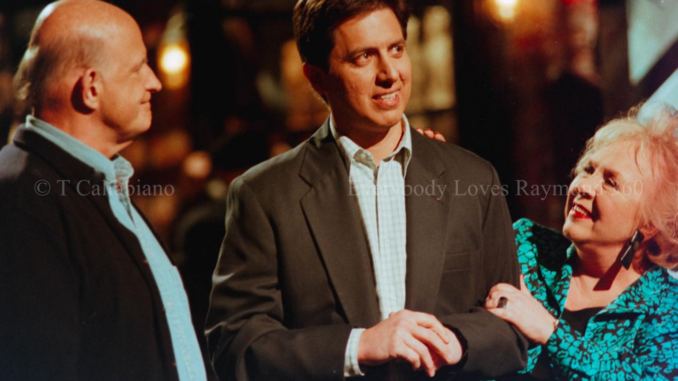
The Sitcom That Looked Peaceful—But Wasn’t
On screen, Everybody Loves Raymond was all about playful bickering, awkward family dinners, and classic in-law tension. Off screen? There was a moment when the cast faced real conflict—one that nearly disrupted the show’s smooth run.
At the center of it all was Ray Romano and a headline-grabbing paycheck: $1.8 million per episode.
That number didn’t just raise eyebrows. It sparked a walkout.
So what really happened? And why did it matter far beyond one sitcom?
Let’s break it down.
How Ray Romano Became One of TV’s Highest-Paid Actors
By the early 2000s, Everybody Loves Raymond wasn’t just popular—it was a powerhouse.
The ratings were strong. The fan base was loyal. The reruns were everywhere.
Networks reward that kind of success. And because Ray Romano wasn’t just the star but also a co-creator and executive producer, his leverage was enormous.
When contract negotiations came around, he secured a reported $1.8 million per episode deal—placing him among television’s highest earners at the time.
From a business perspective, it made sense.
From a cast perspective? It created tension.
The Salary Gap That Sparked Frustration
Here’s where things get complicated.
While Romano’s salary skyrocketed, other key cast members—like Brad Garrett, Patricia Heaton, and Doris Roberts—were earning significantly less.
And let’s be honest: the show wasn’t a one-man act.
Brad Garrett’s portrayal of Robert added depth and contrast. Patricia Heaton’s Debra anchored the emotional core. Doris Roberts and Peter Boyle made the Barone parents unforgettable.
The chemistry was collective.
So when one actor’s paycheck soared, others felt undervalued.
Not jealous. Not bitter.
Just overlooked.
The Walkout That Changed Everything
In response to stalled contract negotiations, several cast members staged a walkout.
They refused to report to set.
Think about that for a moment. On a hit show. At the peak of success.
That’s not a small move.
It was a calculated risk—one that could have cost them jobs or public support.
But they believed the ensemble deserved fair compensation.
And in Hollywood, standing up like that takes courage.
Was Ray Romano to Blame?
Here’s where nuance matters.
Romano didn’t orchestrate the salary gap. He negotiated his own contract.
He reportedly supported his co-stars’ efforts to renegotiate their deals.
This wasn’t a feud. It was a structural issue.
Television contracts often prioritize the lead actor, especially if they have creator or producer credits.
But the cast’s message was clear: this show worked because of everyone.
The Power of Ensemble Cast Dynamics
Sitcoms thrive on balance.
Yes, the show centered on Raymond. But without Debra’s sharp comebacks or Robert’s insecurity-driven humor, the story would have felt flat.
An ensemble cast is like a band.
If one instrument plays louder than all the others, the harmony disappears.
The walkout was about restoring balance.
The Outcome of the Salary Standoff
Eventually, negotiations succeeded.
Brad Garrett reportedly secured a significant raise. Patricia Heaton and the other co-stars also saw improvements in compensation.
The show resumed production.
And on screen? You’d never know anything happened.
That’s professionalism.
Why This Moment Was Bigger Than One Sitcom
This wasn’t just behind-the-scenes drama.
It highlighted a broader issue in television: pay equity within ensemble casts.
The walkout sparked conversations about value, fairness, and recognition.
It showed that supporting actors weren’t willing to stay silent while profits soared around them.
In many ways, it paved the way for future casts to negotiate more aggressively.
Hollywood’s History of Salary Disputes
Salary disputes aren’t rare in television.
But public walkouts? Those make waves.
This incident joined a long list of contract showdowns that reshaped how networks approached compensation.
The difference here was tone.
There wasn’t screaming or scandal. Just firm negotiation.
And that professionalism earned respect.
How the Cast Maintained Professional Relationships
Despite the tension, the cast remained close.
They continued to perform with the same chemistry fans loved.
That says something powerful.
Conflict doesn’t have to destroy relationships.
Handled properly, it can strengthen them.
What This Reveals About Television Economics
Let’s talk money for a second.
Hit sitcoms generate massive revenue—not just from ads, but from syndication.
Everybody Loves Raymond became a syndication giant.
That kind of long-term profit makes salary negotiations more intense.
When everyone knows the pie is huge, they want a fair slice.
And that’s reasonable.
Ray Romano’s Perspective
Ray Romano has often expressed gratitude toward his castmates.
He acknowledged their talent and importance to the show’s success.
While headlines focused on his $1.8 million payday, the real story involved collective recognition.
It wasn’t about ego.
It was about fairness.
The Role of Public Perception
Fans didn’t see the drama unfolding in real time.
And maybe that was intentional.
The cast handled the dispute quietly, without trashing one another in interviews.
That restraint preserved the show’s reputation.
Because once audiences see fractures, magic fades.
Lessons From the Walkout
So what can we learn?
-
Know your value.
-
Stand together when fairness is at stake.
-
Negotiate respectfully.
-
Protect relationships even during conflict.
Those lessons apply far beyond Hollywood.
Did the Walkout Affect the Show’s Legacy?
Not at all.
If anything, it added depth to the show’s history.
Fans still love it. Reruns still air. The Barone family remains iconic.
Behind-the-scenes tension didn’t diminish on-screen brilliance.
It simply revealed that even comedy legends deal with real-world challenges.
Why This Story Still Matters Today
In an era of streaming giants and massive actor contracts, pay equity remains relevant.
Ensemble casts continue to negotiate for fair compensation.
The Everybody Loves Raymond walkout serves as an early example of actors asserting collective power.
It reminds us that success is rarely a solo effort.
The Bigger Picture: Value Beyond Headlines
Headlines love numbers.
“$1.8 million per episode” sounds explosive.
But behind that number were professionals fighting for acknowledgment.
This wasn’t greed. It was equity.
And equity keeps creative teams motivated.
Conclusion
When the cast of Everybody Loves Raymond staged a walkout after Ray Romano’s salary jumped to $1.8 million per episode, it wasn’t chaos—it was negotiation.
It was talented performers recognizing their worth.
It was a team demanding balance in a high-stakes industry.
The show survived. The relationships endured. The legacy remained intact.
And in the end, the Barone family proved something off screen that they demonstrated on screen every week: conflict doesn’t break strong bonds—it strengthens them.
FAQs
1. Why did the cast walk out of Everybody Loves Raymond?
They walked out during contract negotiations after Ray Romano received a significant salary increase.
2. Did Ray Romano support his co-stars?
Reports indicate that he supported fair negotiations for the rest of the cast.
3. How much was Ray Romano paid per episode?
At the height of the show’s success, he reportedly earned $1.8 million per episode.
4. Did the walkout hurt the show’s ratings?
No. The show continued successfully after the dispute was resolved.
5. What impact did this walkout have on Hollywood?
It contributed to broader discussions about pay equity within ensemble television casts.