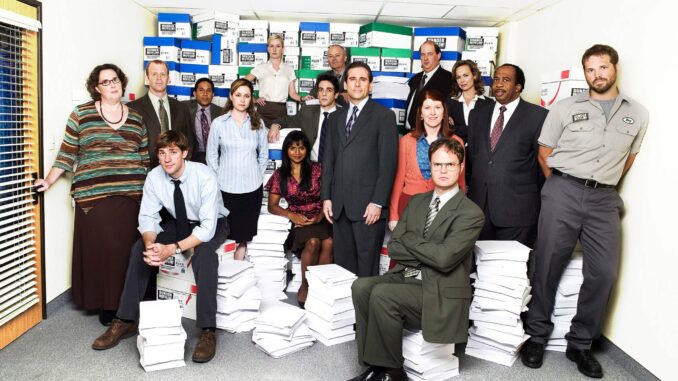
The Office Glow-Up — Why Season 1 Feels Like a Different Series
If you’ve ever rewatched The Office, you probably noticed something weird. Season 1 doesn’t feel like the show you fell in love with. The humor is sharper. The characters are harsher. The vibe? Almost uncomfortable.
And yet, that strange beginning is exactly what made the show’s transformation so fascinating.
Season 1 became the outlier — the awkward pilot phase before one of television’s most beloved comedies found its rhythm. Let’s unpack how that glow-up happened, why it mattered, and what it reveals about creative evolution.
The DNA of Season 1 — A Direct Adaptation
Borrowing from the British Original
The early episodes were heavily inspired by The Office, created by Ricky Gervais and Stephen Merchant.
The tone was dry. The pacing was slower. The cringe factor was intense.
American audiences weren’t used to that level of awkward realism in a sitcom. Instead of punchlines, you got silence. Instead of likable characters, you got uncomfortable truth.
Why It Felt So Cold
Season 1 leaned into realism over warmth. Characters weren’t meant to be lovable — they were meant to be painfully recognizable.
It was bold. But it was risky.
Michael Scott — From Unbearable to Beloved
The Early Version of Michael
In Season 1, Michael Scott isn’t the goofy boss fans adore. He’s closer to his British counterpart: insecure, insensitive, and often mean.
That made watching him… hard.
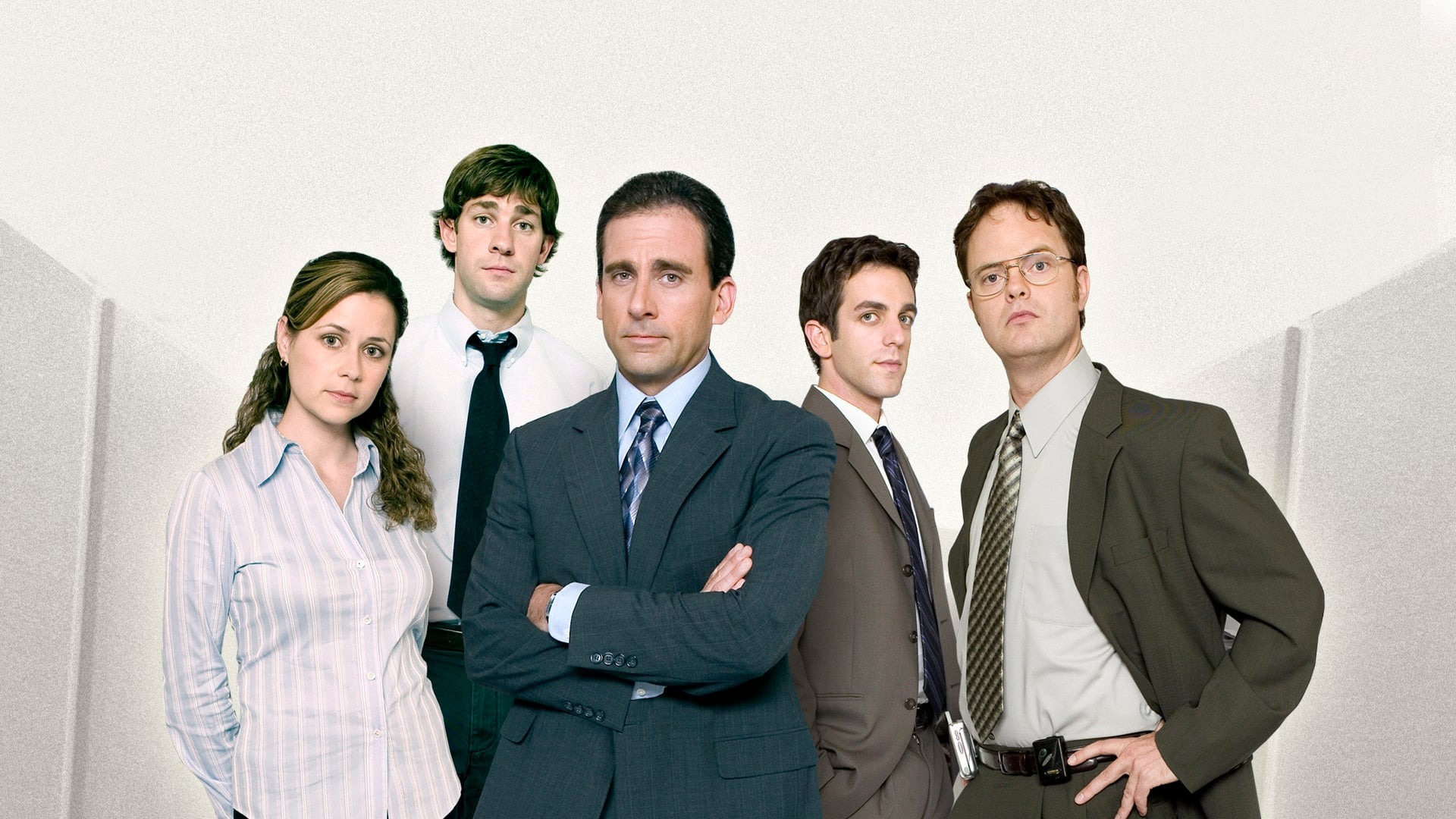
The Performance Shift
The turning point came when writers leaned into the strengths of Steve Carell.
Instead of playing Michael as cruel, they made him desperate to be loved. That single shift changed everything.
Suddenly, the cringe had heart.
The Short Season That Changed Strategy
Season 1 had only six episodes — essentially an extended test run.
That limitation forced reflection.
Writers studied audience reactions, network feedback, and cast chemistry. They realized something crucial: people wanted comfort alongside comedy.
So the show pivoted.
Tone Shift — The Real Glow-Up
From Satire to Comfort Comedy
Early The Office was satire about workplace misery.
Later The Office became a comfort show about workplace relationships.
That evolution didn’t happen overnight, but Season 1 made the need obvious.
Why Warmth Matters
Viewers return to shows that feel like home. The glow-up wasn’t just creative — it was emotional.
The show learned to let characters care about each other.
Character Rewrites That Saved the Series
Jim and Pam Became the Heart
In Season 1, the Jim-Pam dynamic exists, but it’s subtle.
Later seasons push it forward as the emotional anchor. Their story gave viewers a reason to stay beyond the jokes.
H3: Supporting Characters Found Identity
Dwight became iconic rather than just strange.
Kelly became chaotic.
Andy became theatrical.
Season 1 introduced them. Later seasons amplified them.
Visual Style — Same Camera, Different Energy
The mockumentary format stayed consistent. But the way it was used changed.
Season 1 used the camera to highlight discomfort.
Later seasons used it to share inside jokes with the audience.
The difference feels small — but emotionally, it’s huge.
Writing Philosophy — Mean vs. Playful
Early scripts leaned into embarrassment.
Later scripts leaned into absurdity.
That shift made the show meme-friendly, endlessly rewatchable, and culturally sticky.
Audience Expectations in the Mid-2000s
Remember the TV landscape back then. Sitcoms were polished, laugh-track driven, and predictable.
The Office Season 1 felt like anti-television.
That boldness confused viewers at first — but it also set the stage for innovation.
The Steve Carell Effect
When Carell’s film career took off, the network doubled down on his comedic strengths.
Writers leaned into improvisation, physical comedy, and emotional vulnerability.
The result? A lead character who could be ridiculous and heartbreaking in the same scene.
That duality became the show’s signature.
The Importance of Finding Voice
Many great shows struggle early. Season 1 is often experimentation disguised as storytelling.
The Office is one of the clearest examples of a series discovering its voice in real time.
It didn’t abandon its identity — it refined it.
Why Season 1 Still Matters
It Shows the Blueprint
You can see the raw ingredients: the format, the dynamics, the humor style.
Nothing is fully formed, but everything is there.
It Makes the Growth Visible
The glow-up is satisfying because you witnessed the awkward stage.
Just like people, shows evolve.
The Strangest Outlier — And That’s Its Power
Season 1 stands apart tonally, emotionally, and structurally.
But that contrast makes the later seasons shine brighter.
Without the awkward beginning, the warmth wouldn’t feel earned.
Lessons for Creators
First Versions Are Rarely Final
Season 1 proves that creative work improves through iteration.
Listen to Audience Without Losing Vision
The show didn’t become generic. It became accessible.
That balance is everything.
Rewatch Value — Seeing the Glow-Up in Reverse
Watching Season 1 after finishing the series feels like looking at old photos of a friend.
The personality is there — just quieter, rougher, unfinished.
And that’s oddly charming.
Cultural Impact of the Transformation
The evolution of The Office influenced modern sitcoms:
-
Character-driven humor
-
Emotional storytelling in comedy
-
Mockumentary formats becoming mainstream
The glow-up wasn’t just internal. It reshaped television comedy.
Why Fans Debate Season 1
Some love its realism.
Some skip it entirely.
Some see it as essential context.
That debate exists because the season is so different. Outliers spark conversation.
The Glow-Up as a Metaphor
Season 1 is the awkward phase we all experience.
Trying too hard.
Not quite comfortable.
Still figuring things out.
The later seasons show what happens when identity clicks.
That’s why the transformation resonates beyond TV.
Conclusion
Season 1 of The Office is strange — and that’s exactly why it’s important. It captured a show before it understood its own magic. The shift from sharp satire to warm absurdity didn’t erase the early episodes; it gave them context.
The glow-up reminds us that great things often start awkwardly. Creativity is messy. Growth is uneven. And sometimes the version that almost didn’t work becomes the foundation for something iconic.
Season 1 isn’t a mistake. It’s the origin story.