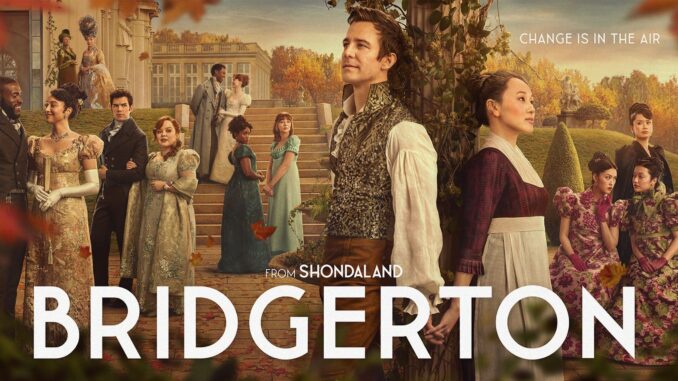
The Cultural Ripple of Bridgerton’s ‘Pinnacle’ Moment
When the hit period drama Bridgerton dropped its now-famous “pinnacle” conversation, audiences laughed, cringed, and — most importantly — recognized something deeply familiar.
A young woman, shielded from honest information about her own body, tries to decode intimacy through fragments, metaphors, and silence. Sound old-fashioned? Maybe. But the truth is, the scene felt modern because many people still learn about sex the same way: awkwardly, indirectly, and far too late.
So what does this Regency-era misunderstanding tell us about sex talk today? Quite a lot.
Why One Word Sparked So Many Conversations
Curiosity Meets Confusion
The “pinnacle” moment works because it captures that universal first brush with sexual curiosity. Euphemisms replace clarity. Adults dodge questions. Peers whisper half-truths.
The result? Confusion wrapped in embarrassment.
And viewers saw themselves in it — regardless of age.
The Internet Reaction Was Instant
Search spikes, memes, TikToks, explainers. A single word became shorthand for how society still tiptoes around sexual education. That’s powerful storytelling.
The Silence Around Sex Hasn’t Disappeared
Different Era, Same Discomfort
Sure, we have smartphones and endless information. But access doesn’t equal understanding.
Many people still grow up with:
-
Vague school lessons
-
Family avoidance
-
Media myths
The Regency ballroom and the modern group chat aren’t as different as we think.
Shame Is the Real Barrier
The show highlights something research has repeated for decades: silence breeds shame. When sex becomes taboo, curiosity doesn’t disappear — it just goes underground.
Bridgerton Shows the Cost of Not Talking
Misinformation Creates Power Imbalances
When someone lacks knowledge about their body, relationships become unequal. They can’t set boundaries clearly. They can’t advocate for pleasure or consent.
That’s exactly what the “pinnacle” storyline illustrates.
Emotional Consequences Matter Too
Confusion doesn’t just affect physical experiences. It shapes:
-
Self-esteem
-
Expectations
-
Communication skills
Sex education is emotional education.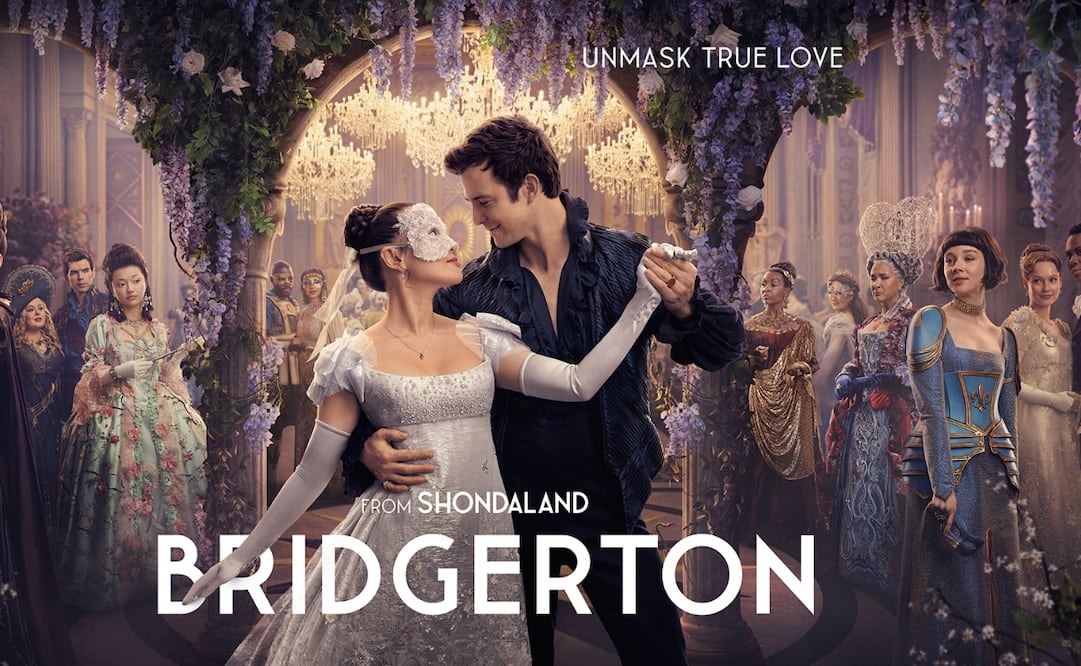
Pop Culture as Modern Sex Education
TV Fills the Gap
For many viewers, shows become the place where they first hear honest conversations about intimacy.
It’s not ideal — but it’s real.
Why Storytelling Works Better Than Lectures
Facts inform. Stories stick.
Watching a character struggle creates empathy. It lowers defenses. Suddenly difficult topics feel human rather than clinical.
The Power of Female Perspective
Centering Female Desire
One of the reasons the scene resonated is simple: female curiosity was taken seriously. Not mocked. Not punished.
That’s still relatively rare.
Rewriting Old Narratives
Historically, women in period dramas were portrayed as passive recipients of romance. Here, curiosity becomes agency. Questions become growth.
That shift mirrors broader cultural change.
Euphemisms vs. Clarity
Why We Still Speak in Code
“Pinnacle.” “The talk.” “Doing it.”
Language softens discomfort, but it also obscures meaning.
Many families rely on metaphors because direct language feels too vulnerable.
The Problem With Soft Language
When information is unclear:
-
Consent becomes fuzzy
-
Expectations diverge
-
Anxiety increases
Clarity isn’t crude. It’s respectful.
The Generational Divide
Parents Want to Protect, Not Avoid
Avoidance often comes from love. Adults fear saying the wrong thing. So they say nothing.
But silence teaches its own lesson: this topic is dangerous.
Younger Generations Want Honesty
Gen Z especially values transparency. They expect conversations about:
-
Consent
-
Pleasure
-
Identity
-
Boundaries
The gap between intention and expectation creates tension.
The Internet Changed Everything — And Nothing
Information Is Everywhere
Today, a confused teen doesn’t need a chaperone’s explanation. They need Wi-Fi.
But algorithms don’t guarantee accuracy.
Porn as Default Education
This is one of the biggest modern parallels to the show’s theme. When formal education fails, people learn from entertainment — often unrealistic entertainment.
That shapes expectations dramatically.
Consent Became Central to Sex Talk
Bridgerton Highlights Learning in Real Time
The storyline shows characters figuring things out mid-relationship. That mirrors reality: consent isn’t a one-time conversation.
It’s ongoing.
Communication Is the New Romance
Modern intimacy is less about mystery and more about dialogue. Asking questions is attractive now. Clarity signals respect.
That’s cultural progress.
Humor Makes Hard Topics Accessible
Why People Laughed
The “pinnacle” moment is funny because awkwardness is universal. Humor lowers defenses and invites discussion.
Comedy Opens Doors
A joke can start a conversation that a lecture never could. Pop culture understands this instinctively.
Representation Matters More Than Ever
Seeing Yourself Changes Understanding
When viewers watch characters navigate sexual learning, they feel less alone. Confusion becomes normal rather than shameful.
Diversity Expands the Conversation
Different perspectives mean different questions. Shows that include varied experiences broaden what sex talk looks like.
The Shift From Ignorance to Literacy
Sexual Literacy Is a Skill
Just like financial literacy or emotional intelligence, understanding intimacy requires:
-
Vocabulary
-
Self-awareness
-
Practice
The show subtly argues that this education should be intentional.
Curiosity Is Not a Flaw
One of the most important messages: asking questions isn’t embarrassing. It’s responsible.
What Modern Sex Talk Still Gets Wrong
Performance Over Connection
Social media sometimes replaces one myth with another — the pressure to be experienced, confident, perfect.
Different era, same anxiety.
Overcorrection Can Create New Silence
When conversations become hyper-politicized, people may fear saying the wrong thing. That leads back to avoidance — the very problem the show exposes.
Lessons From the ‘Pinnacle’ Scene
Education Should Start Earlier
Not explicit — just honest. Age-appropriate clarity prevents confusion later.
Language Matters
Direct doesn’t mean graphic. It means understandable.
Curiosity Needs Safe Spaces
Questions flourish where judgment disappears.
Why This Moment Will Age Well
It Captures a Transitional Era
We’re moving from secrecy to openness, but we’re not fully there. The scene lives in that tension — which makes it timeless.
Pop Culture Documents Social Change
Years from now, people will look back at this storyline as a snapshot of how society learned to talk more honestly about intimacy.
The Bigger Cultural Takeaway
Sex talk isn’t really about sex. It’s about communication, autonomy, trust, and vulnerability.
The “pinnacle” moment resonates because it exposes a universal truth: people don’t struggle with intimacy — they struggle with talking about it.
And once conversation improves, everything else tends to follow.
Conclusion
The brilliance of Bridgerton’s “pinnacle” scene isn’t shock value — it’s recognition. Viewers saw how silence shapes expectations, how euphemisms create confusion, and how curiosity deserves better answers.
In a world flooded with information yet still haunted by discomfort, the scene reminds us that progress isn’t just about access. It’s about honesty.
Modern sex talk is evolving from whispers to dialogue, from embarrassment to literacy. And if a lavish Regency drama can help push that shift forward, it proves something powerful: storytelling can change conversations — and conversations can change culture.