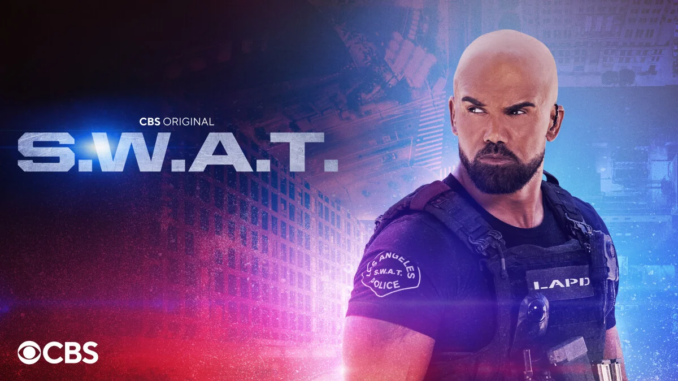
Why Does S.W.A.T. Keep Getting Destroyed and Then Saved Again?
If you’ve followed S.W.A.T. over the past few years, you’ve probably experienced emotional whiplash. One week it’s canceled. The next week it’s renewed. Fans celebrate. Then brace for impact again.
So what’s actually happening behind the scenes? Why does this series keep getting axed — and then dramatically rescued?
Let’s break it down. Because this isn’t random. It’s business, strategy, and audience power colliding in real time.
The Unusual Cancellation Pattern
A Show That Refuses to Stay Canceled
Most TV series follow a predictable arc: premiere, steady ratings, eventual decline, cancellation. End of story.
S.W.A.T. didn’t follow that script.
It faced cancellation announcements more than once, only to be revived shortly after. That pattern is rare in network television, where decisions are typically final.
So why the back-and-forth?
Ratings vs. Revenue: The Real Equation
It’s Not Just About Viewers Anymore
In the old days, strong ratings meant survival. Today? It’s more complicated.
Linear TV ratings matter, but streaming value matters too. International licensing matters. Production costs matter. Ownership deals matter.
S.W.A.T. exists at the intersection of all these variables.
Who Owns the Show — And Why It Matters
The series airs on CBS but is produced by Sony Pictures Television.
That split ownership creates financial tension.
When a network doesn’t fully own a show, profit margins shrink. Even if ratings remain solid, backend revenue distribution can complicate renewal decisions.
In simple terms: success doesn’t always equal maximum profit.
Production Costs and Cast Salaries
By later seasons, long-running dramas become expensive.
Cast salaries increase. Crew contracts expand. Production standards rise. Action-heavy shows like S.W.A.T. require stunts, tactical choreography, location shoots, and large ensemble scenes.
That adds up.
When networks calculate renewal budgets, cost-per-episode becomes a deciding factor.
Streaming Performance Changes Everything
The Netflix Effect
Here’s where it gets interesting.
When S.W.A.T. landed on Netflix in certain regions, it surged in popularity. New audiences discovered it. Old fans rewatched it.
Streaming data sometimes tells a different story than live TV ratings.
And when a show performs strongly on streaming platforms, it gains leverage. Suddenly cancellation isn’t so simple.
Fan Campaigns and Social Media Pressure
Modern Audience Influence
Fans aren’t passive anymore. They organize. They trend hashtags. They contact executives directly.
When cancellation news hit, the S.W.A.T. fanbase mobilized fast. Online engagement demonstrated measurable audience loyalty.
In today’s media ecosystem, brand loyalty equals monetizable value.
Networks notice that.
The Power of Syndication
Long-running procedural dramas thrive in syndication. Episodes can air repeatedly across multiple markets.
More seasons equal more episodes. More episodes equal greater syndication value.
Saving S.W.A.T. for “just one more season” can significantly increase long-term revenue potential.
Sometimes the rescue isn’t emotional. It’s mathematical.
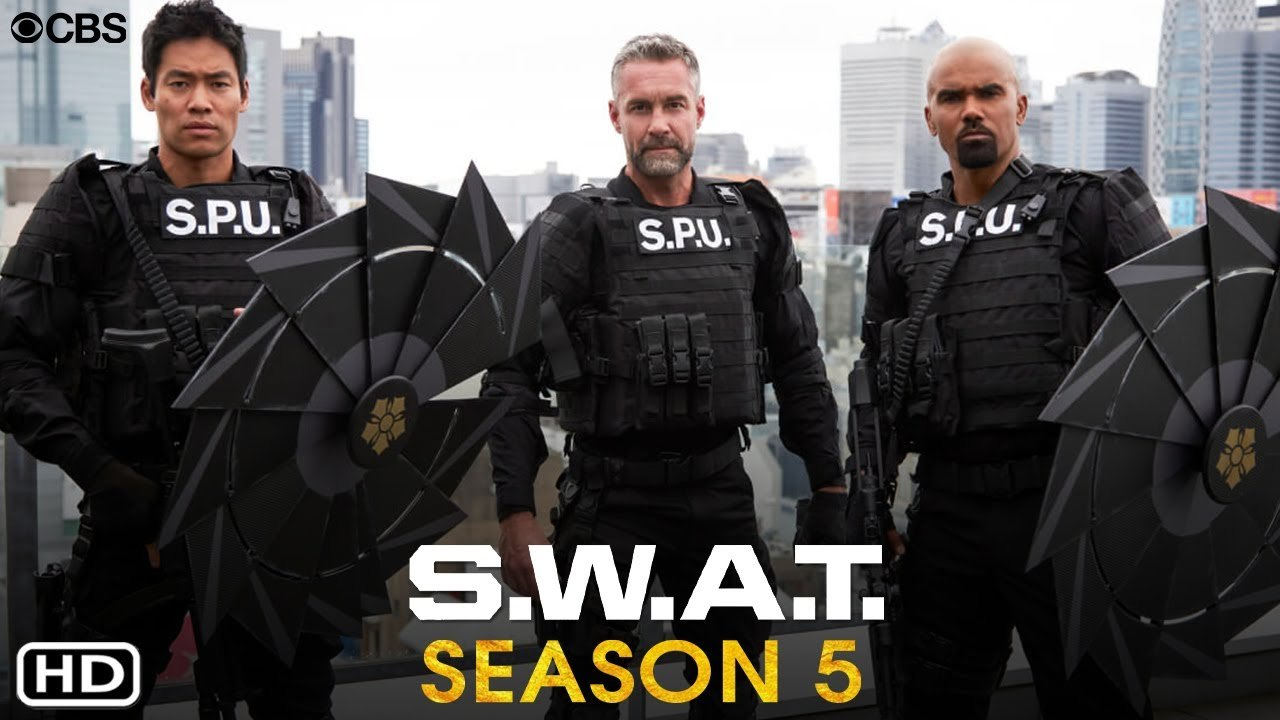
Leadership Changes Behind the Scenes
Network executives change. Strategy shifts. Corporate priorities evolve.
A cancellation decision under one executive team might look different under another. Media companies reassess content libraries constantly.
Timing often determines fate.
Why Action Dramas Are Riskier Now
Production-heavy shows face increased scrutiny. Compared to dialogue-driven dramas or reality programming, tactical action series cost more to produce.
In tight economic climates, expensive shows become vulnerable — even if they perform reasonably well.
S.W.A.T. lives in that high-cost category.
Star Power and Franchise Identity
The Role of Shemar Moore
At the center of the series stands Shemar Moore as Hondo.
Moore isn’t just the lead. He’s the face of the brand. His public advocacy during cancellation announcements amplified visibility and media coverage.
When a lead actor actively champions renewal, it influences public narrative — and sometimes negotiation leverage.
Corporate Mergers and Budget Resets
Television doesn’t exist in isolation. Parent companies merge. Debt restructuring happens. Budgets tighten.
During financial resets, networks often cancel multiple shows to rebalance portfolios — even moderately successful ones.
Rescue decisions sometimes occur after recalculating long-term projections.
International Market Strength
Action procedurals travel well globally. Tactical teams, moral dilemmas, and serialized crime arcs resonate across cultures.
Strong international licensing deals can justify extending a show’s lifespan, even if domestic ratings dip slightly.
That global appeal becomes a strategic asset.
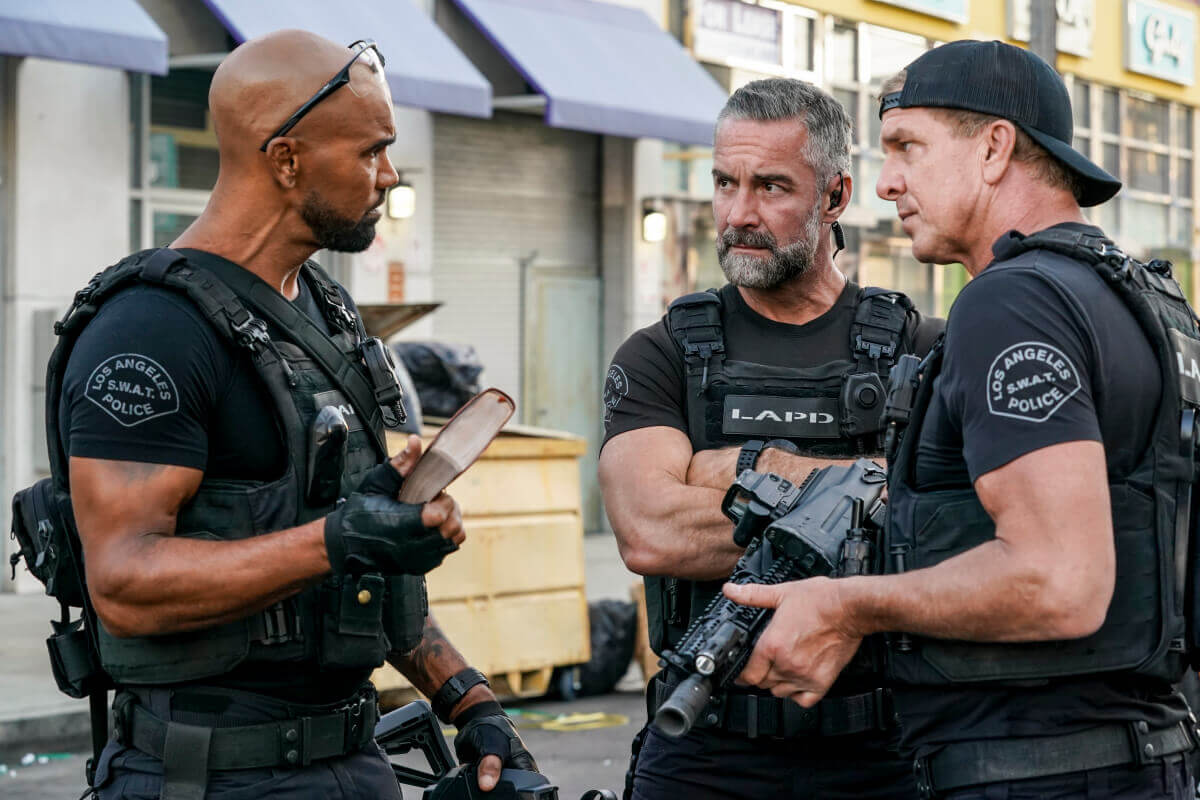
The Psychological Impact of “Final Season” Announcements
Interestingly, announcing a “final season” can boost viewership. Audiences return for closure.
If numbers spike, networks may reconsider.
This creates a paradox: declaring the end can sometimes extend the show’s life.
Media Attention as Free Marketing
Each cancellation-and-rescue cycle generates headlines. Entertainment outlets cover it extensively. Social media trends spike.
That publicity acts as organic marketing.
In a saturated content landscape, attention is currency. Controversy fuels awareness.
Contract Negotiations Behind Closed Doors
Renewal decisions often hinge on complex negotiations:
-
License fees
-
Streaming windows
-
Production rebates
-
Talent agreements
Sometimes cancellation announcements function as leverage during negotiations. Public pressure can shift bargaining positions.
It’s chess, not checkers.
Why Viewers Feel Whiplash
From a fan perspective, the cycle feels chaotic.
But from a corporate standpoint, it’s strategic risk management.
Networks test thresholds. They calculate margins. They weigh brand equity against expense.
Emotionally exhausting? Yes. Illogical? Not necessarily.
Is This Pattern Sustainable?
Repeated cancellation drama can fatigue audiences. At some point, instability erodes trust.
However, it also reinforces the show’s identity as resilient — the underdog that survives.
That narrative strengthens loyalty.
What Makes S.W.A.T. Worth Saving?
Despite financial complexity, the show offers:
-
Strong ensemble dynamics
-
Serialized emotional arcs
-
Cultural relevance
-
Tactical authenticity
-
Global appeal
It occupies a specific niche that blends action and social commentary.
Replacing that formula isn’t simple.
The Bigger Picture: Television in Transition
Traditional network models are evolving. Streaming metrics blur performance evaluation. Ownership structures complicate renewal logic.
S.W.A.T. isn’t uniquely unstable. It’s emblematic of an industry in flux.
Shows now live in hybrid ecosystems. Survival depends on more than ratings.
Conclusion: Destruction, Rescue, and Strategic Survival
So why does S.W.A.T. keep getting destroyed and then saved again?
Because modern television operates on layered economics. Because ownership structures complicate profitability. Because streaming data changes valuation. Because fans amplify leverage. Because long-term syndication matters.
It’s not chaos. It’s calculation.
And as long as the numbers — across platforms and territories — justify the investment, the show remains difficult to let go.
In today’s entertainment landscape, survival isn’t about stability.
It’s about adaptability.
FAQs
1. Was S.W.A.T. actually canceled more than once?
Yes, the series faced multiple cancellation announcements before being renewed again shortly after.
2. Why would a network cancel a show with decent ratings?
Profit margins, ownership splits, production costs, and strategic restructuring can outweigh ratings performance.
3. Did streaming performance help save the show?
Strong streaming numbers, particularly on platforms like Netflix, increased its overall value profile.
4. How do fan campaigns influence renewals?
High engagement demonstrates brand loyalty, which networks factor into long-term monetization strategies.
5. Could S.W.A.T. be canceled again?
In today’s shifting media environment, any show can face uncertainty. Renewal decisions depend on evolving financial and strategic metrics.