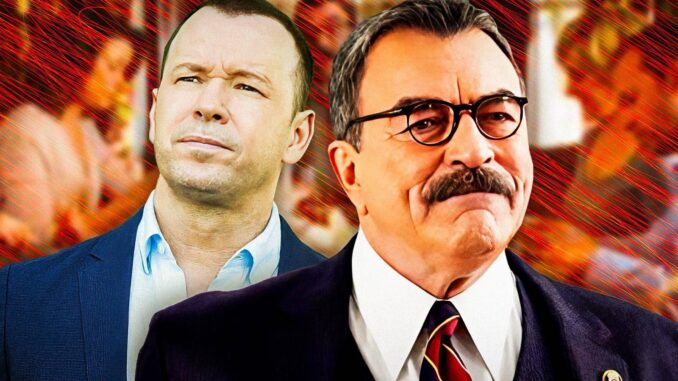
Donnie Wahlberg Applauds Mika’s Courage in the Sean Reagan Recast
When a beloved character gets recast, fans notice immediately. It’s emotional, it’s controversial, and sometimes it reshapes an entire series. That’s exactly what happened when Sean Reagan’s role shifted in the expanding world connected to Boston Blue.
Actor Donnie Wahlberg recently opened up about the decision — and instead of hesitation, he offered admiration. His focus? Mika, the performer stepping into the shoes of a character audiences have grown up with.
Let’s unpack why this recast matters, how it affects the story, and why Wahlberg believes the risk could pay off.
Why the Sean Reagan Character Matters So Much
A Legacy Built Over Years
Sean Reagan isn’t just another supporting character. He represents the next generation of the Reagan family — a symbol of continuity, growth, and emotional grounding.
The character originally gained recognition through Blue Bloods, where family dinners, loyalty, and duty became storytelling pillars.
Fans Feel Protective
Viewers watched Sean grow from a kid into a young adult navigating identity, family expectations, and law-enforcement culture. That emotional investment makes any change feel personal.
The Recast Announcement That Sparked Conversation
Why Recasts Always Create Buzz
Recasts are tricky. They can signal scheduling conflicts, creative direction changes, or a narrative time jump. But no matter the reason, fans ask the same question: Will it still feel the same?
Social Media Reaction
The response ranged from curiosity to skepticism — a familiar pattern in long-running franchises.
Yet Wahlberg’s reaction helped shift the tone.
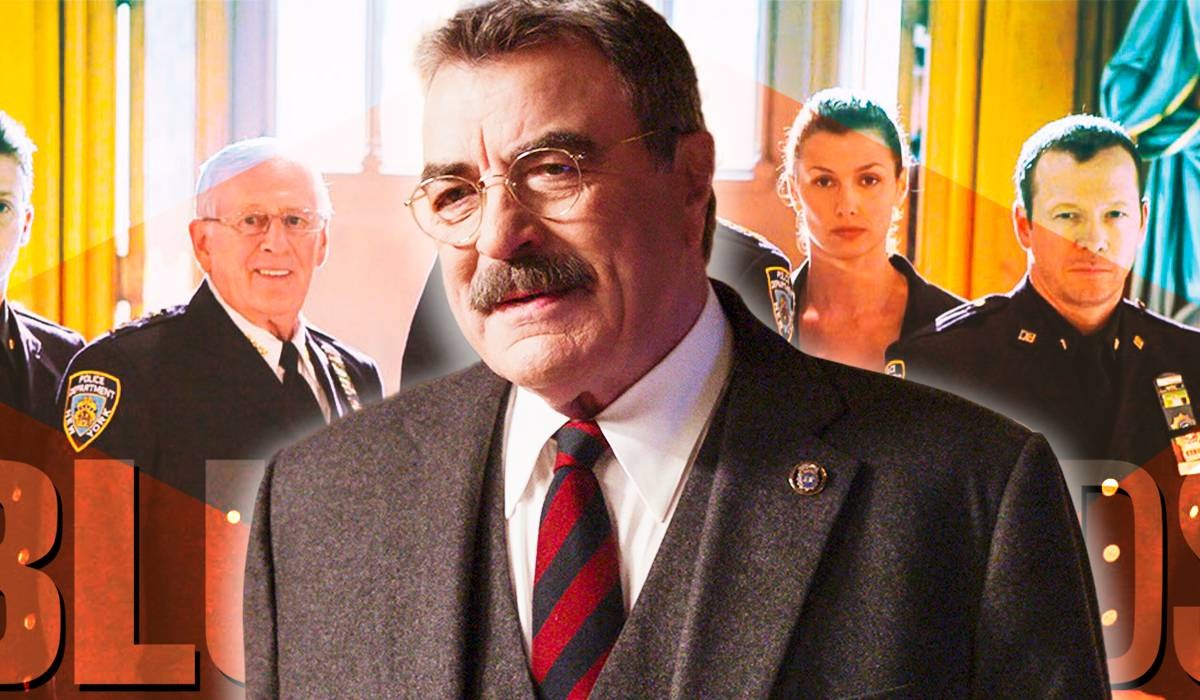
Donnie Wahlberg’s Honest Response
Wahlberg didn’t dodge the conversation. Instead, he leaned into it.
He shared that stepping into an established role takes courage. His message was clear: respect the challenge.
That’s where Mika comes in.
Who Is Mika and Why the Casting Matters
Taking Over a Familiar Face
Stepping into a legacy role is like joining a band mid-tour — the music continues, but every note is scrutinized.
Mika’s casting signals a commitment to evolving the character rather than freezing him in nostalgia.
A Different Energy, Same DNA
Recasts often work best when actors don’t imitate but reinterpret. The goal isn’t copying — it’s continuation.
And that’s what Wahlberg says he admires.
The Emotional Risk Behind Recasting
Actors Understand the Pressure
Imagine inheriting someone else’s memories. That’s what a recast can feel like. The character already belongs to viewers.
The Fear of Comparison
Every performance gets measured against the past. But comparison isn’t always a bad thing — it keeps the character alive.
How Boston Blue Expands the Franchise
A New Setting, Familiar Themes
Spin-offs thrive on balance: new stories anchored by recognizable emotional beats.
Family, duty, and moral conflict remain central.
Generational Storytelling
Sean’s evolution reflects the franchise’s larger shift toward younger perspectives.
Why Wahlberg’s Support Matters
Industry support changes perception. When a veteran publicly backs a recast, fans often soften their stance.
Wahlberg’s message essentially said: Give this a chance.
That endorsement carries weight.
Recasts That Worked — And Why
TV History Shows It Can Succeed
Some recasts become invisible over time. Others redefine characters entirely.
The difference usually comes down to writing, chemistry, and authenticity.
Story Over Face
When the narrative stays strong, audiences adapt faster than expected.
What This Means for Sean Reagan’s Future
More Screen Time, More Complexity
A recast can signal expansion. Writers may be preparing bigger storylines — career decisions, relationships, identity conflicts.
From Background to Spotlight
Sean could move from supporting presence to narrative driver.
That’s a major shift.
The Creative Opportunity Hidden in Change
Change forces reinvention. And reinvention fuels longevity.
A new actor brings new instincts — pauses, reactions, emotional textures. Suddenly familiar scenes feel fresh.
Think of it like hearing your favorite song in acoustic form.
Same melody. Different impact.
Fan Expectations vs. Storytelling Reality
Fans want consistency. Creators need evolution.
That tension isn’t a problem — it’s the engine of serialized TV.
Recasts sit right at that intersection.
The Bigger Industry Trend
Franchises Are Becoming Generational
Modern television isn’t just about seasons anymore. It’s about universes, timelines, and character lifecycles.
Passing the Torch
Sean’s recast symbolizes something larger: legacy storytelling.
Chemistry Will Decide Everything
You can’t fake ensemble chemistry. It either clicks or it doesn’t.
Early reactions often change once viewers see interactions — family scenes, conflict moments, quiet conversations.
That’s where acceptance happens.
Why Wahlberg Framed It as Courage
Calling the move courageous reframes the narrative.
It shifts focus from replacement to risk-taking.
And risk is the heart of good storytelling.
The Audience’s Role in Making It Work
Viewers aren’t passive. They shape outcomes through engagement, discussion, and emotional investment.
Giving a recast space to breathe can determine whether it succeeds.
What to Watch for in Upcoming Episodes
-
Subtle character shifts
-
New dynamics with family members
-
Storylines emphasizing independence
-
Moments designed to “introduce” the new interpretation
These signals tell you how intentional the transition is.
Change as a Sign of Longevity
Shows that evolve survive. Shows that freeze fade.
Recasting, while uncomfortable, often signals creative confidence.
It says: the story is bigger than any single performance.
Final Thoughts on the Sean Reagan Recast
Donnie Wahlberg’s reaction wasn’t defensive — it was supportive. That alone speaks volumes.
The Sean Reagan recast isn’t just a casting update. It’s a storytelling pivot, a generational shift, and a reminder that characters outlive performances.
Mika stepping into the role represents risk. But risk is where memorable television lives.
If the writing delivers and the chemistry lands, this change could feel inevitable rather than controversial.
Sometimes the bold move becomes the right move.
Conclusion
Recasts always stir emotion because they touch nostalgia. But television, like life, moves forward. Donnie Wahlberg’s admiration for Mika highlights the human side of these transitions — respect for craft, recognition of pressure, and belief in evolution.
Sean Reagan’s story isn’t ending. It’s entering a new chapter. And chapters are where growth happens.
Whether fans embrace the change instantly or gradually, one thing is clear: the conversation itself proves how much the character matters.