
Why Is It Harder to Stop Watching Virgin River the More You Watch It?
Let’s be honest.
You didn’t plan to watch five episodes. You told yourself, “Just one before bed.” Next thing you know, it’s 2 a.m., your tea is cold, and you’re emotionally invested in the future of a fictional small town.
So what’s going on here?
Why does Virgin River become more addictive the deeper you go?
It’s not accidental. It’s not random. And it’s definitely not just because of the scenery.
Let’s break it down.
The Binge-Watching Spiral: How It Starts
At first, you’re just curious.
Small town. A nurse with a tragic past. A charming bar owner. Slow pacing. Cozy vibes.
Nothing overwhelming.
But then something subtle happens.
The emotional stakes increase—slowly. Almost invisibly. Like a pot coming to boil. You don’t notice the heat rising until it’s already bubbling.
The Power of Emotional Investment
Why Your Brain Gets Attached
Humans are wired for story. Not explosions. Not spectacle. Story.
Virgin River feeds you long-form emotional arcs. Trauma. Healing. Second chances. Parenthood. Loss. Redemption.
Each episode adds another thread to the tapestry. And once you’ve invested emotionally, quitting feels like abandoning people you care about.
You don’t just want to know what happens.
You feel like you need to know.
Slow Burn Storytelling Creates Deeper Hooks
Delayed Gratification Keeps You Watching
Unlike fast-paced dramas, Virgin River stretches emotional payoffs across episodes—or entire seasons.
Will they reconcile?
Will the baby be okay?
Will the secret come out?
The show thrives on narrative tension.
And tension demands resolution.
Your brain hates unresolved loops. Psychologists call this the Zeigarnik Effect—the tendency to remember incomplete tasks better than completed ones.
Each cliffhanger is an open tab in your mental browser.
And you can’t stand leaving tabs open.
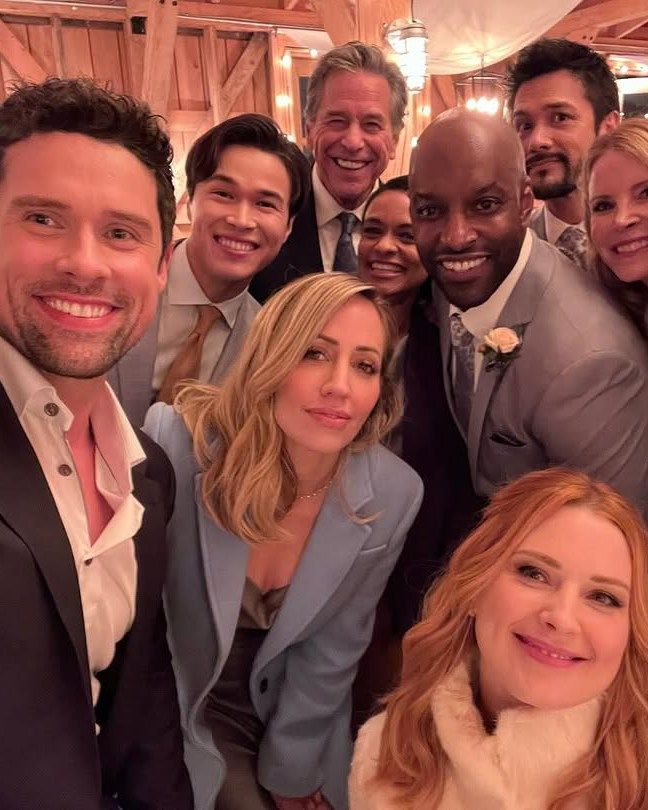
Comfort Television Disguised as Drama
The Cozy Trap
Set against breathtaking landscapes and warm lighting, the show feels safe.
Even when drama unfolds, the environment whispers comfort.
Small-town diners. Familiar faces. Predictable rhythms.
It’s emotional chaos wrapped in a blanket.
That contrast is powerful. Your nervous system relaxes visually while your mind engages emotionally.
That duality keeps you glued.
Character Familiarity Builds Psychological Security
Repetition Breeds Attachment
The more you watch, the more familiar the characters become.
Mel’s vulnerability.
Jack’s guarded strength.
The town gossip.
The complicated ex.
Familiarity builds cognitive ease. And cognitive ease feels good.
You don’t need to decode new worlds or rules. You’re already fluent in this one.
The deeper you go, the less effort it takes to stay.
Romantic Tension Fuels Compulsion
Uncertainty Is Addictive
Romance in Virgin River isn’t simple. It’s layered.
Will love survive trauma?
Will past mistakes resurface?
Can two broken people build something stable?
Romantic uncertainty activates reward pathways in the brain. It’s similar to gambling psychology: unpredictable rewards generate stronger engagement.
Every near-confession. Every interrupted kiss. Every emotional argument.
It’s narrative dopamine.
Emotional Catharsis Feels Therapeutic
Why the Tears Keep You Watching
You cry during certain scenes. And oddly, you feel better afterward.
That’s catharsis.
Watching characters process grief, forgiveness, and vulnerability allows viewers to release their own suppressed emotions.
The show becomes emotional rehearsal.
And once you experience that release, you subconsciously seek it again.
Escapism Without Overstimulation
Modern TV often overwhelms you—fast cuts, loud soundtracks, constant action.
Virgin River does the opposite.
It slows down.
And in a chaotic world, slow feels luxurious.
You return not because it overstimulates you—but because it regulates you.
That’s rare.
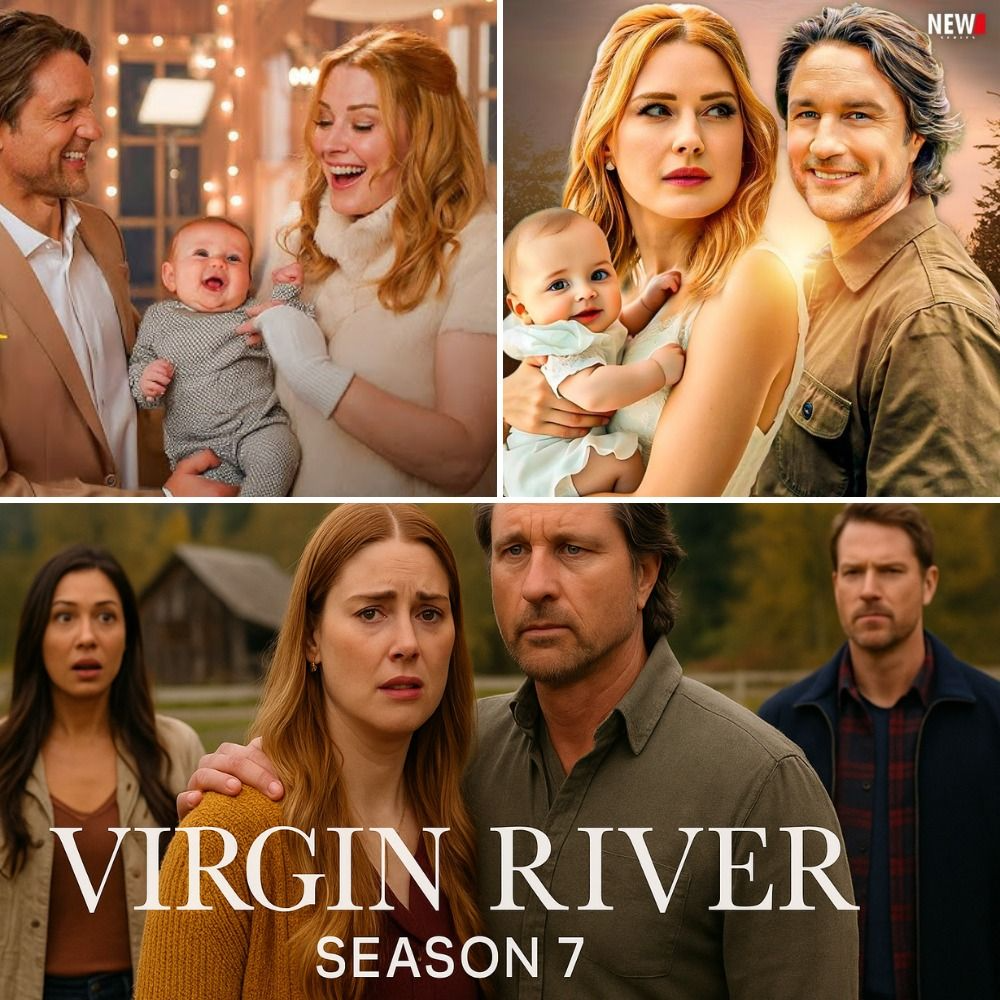
The Cliffhanger Architecture
Strategic Episode Endings
Notice how episodes rarely conclude cleanly?
Someone overhears something.
A medical emergency begins.
A secret is exposed.
A relationship fractures.
Then—cut to credits.
That structure isn’t accidental. It’s retention design.
Each ending poses a question your brain demands answered.
And the only way to answer it?
Press play.
Seasonal Escalation Raises the Stakes
As seasons progress, conflicts deepen.
Pregnancies become complicated.
Relationships face real consequences.
Past trauma resurfaces with higher intensity.
The show builds narrative equity. The more time you’ve invested, the more you stand to lose by quitting.
Stopping mid-series feels like abandoning a long-term commitment.
Community Culture Amplifies Attachment
Fan Conversations and Social Media Buzz
Discussion fuels obsession.
Theories.
Speculation.
Shipping debates.
When viewers collectively process plot twists, emotional engagement multiplies.
It’s no longer just watching.
It’s participating.
The Illusion of Stability in a Chaotic World
The town feels constant—even when the story shifts.
There’s comfort in returning to the same bar, the same clinic, the same mountain views.
Predictable settings anchor unpredictable emotions.
It mirrors real life: chaos inside stability.
And that dynamic feels strangely grounding.
Narrative Layering Increases Cognitive Commitment
Multiple Interwoven Storylines
You’re not tracking just one relationship.
You’re tracking:
-
Romantic arcs
-
Family tensions
-
Medical dilemmas
-
Community conflicts
-
Personal secrets
When multiple arcs overlap, disengaging becomes cognitively harder. You’re juggling threads—and you want them all resolved.
Parasocial Bonds Deepen Over Time
A parasocial relationship forms when viewers feel connected to fictional characters.
The longer you watch, the stronger that bond becomes.
You anticipate reactions.
You predict behavior.
You feel protective.
Stopping the show interrupts that connection.
And your brain resists losing relationships—even fictional ones.
The Soundtrack and Visual Identity Reinforce Mood
Music cues subtly amplify emotional intensity.
Soft acoustic themes during intimate scenes.
Rising orchestration during conflict.
Your brain begins associating those sounds with emotional reward.
Eventually, the show becomes an immersive sensory ritual.
Habit Formation Makes Quitting Harder
Watching becomes routine.
After dinner.
Before bed.
On weekends.
Habits reduce decision fatigue. Once viewing becomes automatic, stopping requires active resistance.
And resistance is effort.
Effort is uncomfortable.
So you keep watching.
The “Just One More Episode” Illusion
Streaming platforms auto-play episodes.
There’s no friction. No pause. No reset.
The show continues unless you intervene.
And by the time you think about stopping, you’re already halfway into the next episode.
Emotional Stakes Compound Over Time
In early episodes, stakes are personal.
Later, they become communal.
What affects one character ripples through the town.
That interdependence makes each decision feel larger.
You don’t just want closure for one storyline.
You want balance restored to the entire ecosystem.
Why It Gets Harder the More You Watch
Here’s the core truth:
The more you watch, the more psychological investment accumulates.
Time invested.
Emotion invested.
Curiosity invested.
Each episode increases sunk cost.
Walking away means abandoning that investment.
And humans hate loss more than they value gain.
So you stay.
Conclusion: It’s Not Just a Show — It’s Emotional Architecture
Virgin River isn’t addictive by accident.
It blends comfort with tension.
Stability with chaos.
Romance with uncertainty.
It layers emotional hooks slowly, strategically, and consistently.
The deeper you go, the more embedded you become.
And by the time you consider stopping, you’re no longer just watching a series.
You’re maintaining relationships, resolving conflicts, and seeking emotional closure.
That’s why quitting feels harder with every episode.
Because you’re not just pressing play.
You’re coming home.
FAQs
1. Is Virgin River designed specifically to encourage binge-watching?
Yes. Its cliffhanger endings, slow-burn arcs, and emotional continuity are structured to promote episode-to-episode retention.
2. Why does the show feel comforting even during dramatic moments?
The small-town setting, consistent visuals, and slower pacing create a psychological sense of safety.
3. Does romantic tension really increase viewer addiction?
Yes. Unpredictable emotional rewards activate dopamine pathways that reinforce continued viewing.
4. Why do I feel emotionally attached to the characters?
Long-form storytelling fosters parasocial bonds, making characters feel personally familiar.
5. How can I stop binge-watching if I want to?
Set viewing limits in advance, disable auto-play, and replace the routine with another relaxing habit.