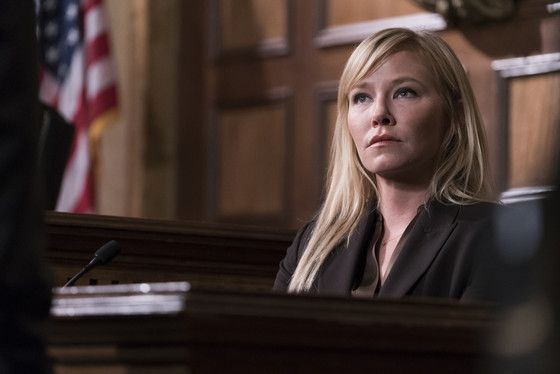
Few shows understand the emotional cost of justice quite like Law & Order: SVU. For more than two decades, the series has explored the darkest corners of human behavior while never losing sight of the toll it takes on the people fighting for victims every day. In one particularly powerful storyline, viewers watched Assistant District Attorney Sonny Carisi shaken to his core after witnessing a deeply disturbing crime. And in a moment that reminded fans why they care so deeply about these characters, Amanda Rollins was there to comfort him.
It wasn’t a grand, over-the-top scene. There were no dramatic speeches or sweeping music cues. Instead, it was quiet. Intimate. Honest. And that’s precisely what made it unforgettable.
A Case That Hit Too Close to Home
Carisi has always been passionate about justice. From his early days as a detective to his evolution into ADA, he has worn his heart on his sleeve. Unlike some prosecutors who maintain professional distance, Carisi believes in the human side of the law. He feels every loss, every injustice, every story that crosses his desk.
So when he witnessed a crime that was especially jarring—violent, senseless, and impossible to emotionally compartmentalize—it wasn’t just another day at work. It shook him.
The series has never shied away from showing that even seasoned professionals are vulnerable. In fact, that vulnerability is what makes SVU so compelling. Carisi isn’t a superhero in a suit; he’s a man trying to do the right thing in a system that doesn’t always cooperate.
Watching him struggle in the aftermath was both heartbreaking and humanizing.
Carisi’s Breaking Point
What made this moment different from past cases was that Carisi didn’t just read about the crime or argue it in court—he witnessed it firsthand. The trauma wasn’t filtered through reports or testimony. It was immediate and visceral.
His reaction was subtle at first. A lingering stare. A distracted silence. A crack in his usually steady voice. But longtime viewers recognized the signs. Carisi was rattled.
And the show allowed him to be.
In many procedurals, male characters are expected to suppress their emotions, to power through with stoic resolve. But SVU has consistently challenged that trope. Carisi’s emotional response wasn’t portrayed as weakness; it was portrayed as humanity.
Still, recognizing trauma and dealing with it are two different things. And that’s where Rollins stepped in.
Rollins: Strength in Compassion
Amanda Rollins has had her own complicated journey on the show. Portrayed by Kelli Giddish, Rollins has battled personal demons, professional setbacks, and deeply traumatic cases. She understands what it means to carry emotional weight long after a case is closed.
So when she saw Carisi struggling, she didn’t push. She didn’t demand explanations or force conversation.
She simply stayed.
That quiet presence spoke volumes.
Rollins has always been intuitive, particularly when it comes to emotional undercurrents. She recognized that Carisi wasn’t just upset—he was shaken. And instead of offering legal advice or strategic reassurances, she offered something far more powerful: empathy.
A Scene Built on Subtlety
What made this comforting moment so impactful was its restraint. There was no melodrama. No overwrought dialogue. Just two people in a room, processing something heavy.
Carisi tried to brush it off at first, insisting he was fine. But Rollins saw through it. She gently encouraged him to talk, not as a detective or former colleague—but as someone who cares about him deeply.
The look on Carisi’s face said everything. Exhaustion. Anger. Sadness. And perhaps most poignantly, relief.
Relief that he didn’t have to pretend.
Their dynamic has evolved over the years from professional partnership to romantic relationship to marriage. But scenes like this highlight the foundation of that relationship: trust.
Rollins doesn’t just love Carisi; she understands him.
Why This Moment Mattered
SVU has delivered countless intense courtroom battles and high-stakes investigations. But sometimes the most powerful scenes happen after the adrenaline fades.
Carisi’s vulnerability and Rollins’ response reinforced a central truth of the show: justice work is emotional labor.
We often see the detectives and prosecutors fighting tirelessly for victims. What we don’t always see—at least in other shows—is what it costs them personally. SVU pulls back that curtain.
By allowing Carisi to break down and Rollins to hold space for him, the show validated something important: even the strongest people need support.
The Power of Rollisi
Fans affectionately refer to the Rollins–Carisi pairing as “Rollisi,” and moments like this are exactly why the relationship resonates.
Their love story wasn’t rushed. It developed gradually, built on years of shared experiences, disagreements, growth, and mutual respect. When Carisi transitioned from detective to ADA, Rollins supported him. When Rollins faced personal crises, Carisi stood by her.
So when the roles reversed—when Carisi was the one in need—the emotional payoff felt earned.
Portrayed by Peter Scanavino, Carisi has always balanced idealism with vulnerability. Seeing him emotionally exposed allowed Scanavino to deliver one of his most nuanced performances. Meanwhile, Giddish’s restrained, compassionate portrayal of Rollins reminded viewers why her character remains so beloved.
Their chemistry isn’t built on grand gestures. It’s built on moments like this.
Trauma in the Justice System
Beyond character development, the scene also spotlighted a broader theme: secondary trauma within the justice system.
Prosecutors, detectives, and first responders routinely witness disturbing events. They hear harrowing testimonies. They see evidence most people couldn’t stomach. And while they are trained professionals, they are still human.
Carisi’s reaction wasn’t unusual—it was realistic.
By showing him emotionally affected, SVU acknowledges that trauma doesn’t discriminate. It doesn’t matter how many cases you’ve handled or how experienced you are. Some events cut deeper than others.
And healing often begins not with therapy sessions or official debriefings, but with a trusted person saying, “You don’t have to carry this alone.”
A Turning Point for Carisi?
Moments like these often mark subtle turning points for characters. After witnessing that crime and allowing himself to be vulnerable with Rollins, Carisi appeared changed—quieter, perhaps more reflective.
Not weaker.
Wiser.
There’s a difference.
Experiencing trauma doesn’t diminish strength; it reshapes it. Carisi’s passion for justice has always been rooted in empathy. Seeing the raw aftermath of violence only deepened that empathy.
And having Rollins by his side ensured that empathy didn’t become self-destruction.
The Enduring Heart of SVU
As the series continues on NBC, what keeps audiences invested isn’t just the cases. It’s the people.
Rollins comforting Carisi wasn’t a flashy moment designed for social media clips. It was something quieter and more meaningful. It reminded viewers that behind every badge and courtroom argument is a human being absorbing unimaginable pain.
In a show built around confronting the worst of humanity, this scene highlighted the best: compassion, partnership, and emotional honesty.
And perhaps that’s why it lingered.
Not because of the crime itself—but because of what happened after.
Final Thoughts
Television often glamorizes the pursuit of justice. But Law & Order: SVU has always been at its best when it slows down and explores the emotional aftermath.
Carisi witnessing a jarring crime could have been just another plot point. Instead, it became an opportunity to showcase growth, vulnerability, and love.
Rollins didn’t solve the case. She didn’t fix the system. She didn’t offer easy answers.
She offered presence.
And sometimes, that’s the most powerful form of comfort there is.