The Next Big Leap in Entertainment
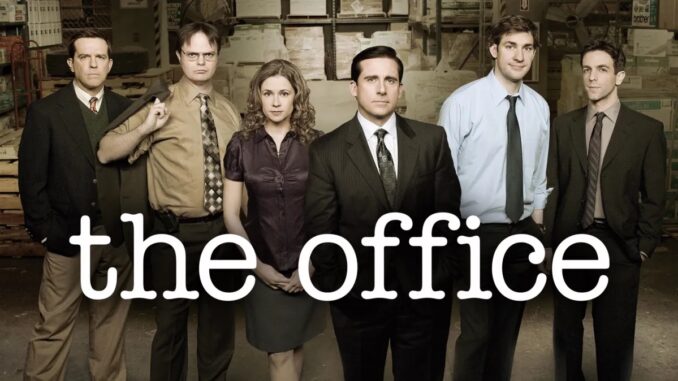
Imagine walking into your favorite sitcom’s office, hearing the printer hum, spotting a familiar mug on the desk, and feeling like you actually belong there. That’s the promise behind the new collaboration between Meta Platforms and NBCUniversal.
This partnership signals something bigger than a content deal. It’s a glimpse into a future where stories are no longer watched — they’re experienced. From beloved sitcom worlds to classic monster universes, virtual reality is about to reshape how we interact with pop culture.
So, what does this collaboration really mean? And why is everyone talking about it?
Let’s dive in.
Why This Partnership Matters
Hollywood Meets Immersive Tech
For years, tech companies promised immersive entertainment. Hollywood promised iconic storytelling. Now those two worlds are merging.
Meta brings the hardware, platforms, and social VR ecosystem. NBCUniversal brings decades of recognizable intellectual property. Together, they’re building a bridge between storytelling and presence.
This isn’t just content in VR. It’s worlds.
IP Is the New Currency
Familiar characters and settings reduce friction. Fans already care. They already understand the universe.
That emotional connection is the rocket fuel for VR adoption.
Stepping Inside The Office
One of the biggest draws of the partnership is the ability to explore the world of The Office in virtual reality.
From Viewer to Coworker
Instead of watching awkward meetings, you might sit in one.
Picture:
-
Exploring the bullpen
-
Interacting with iconic props
-
Participating in mini-stories
-
Experiencing classic moments from new angles
It transforms passive nostalgia into active participation.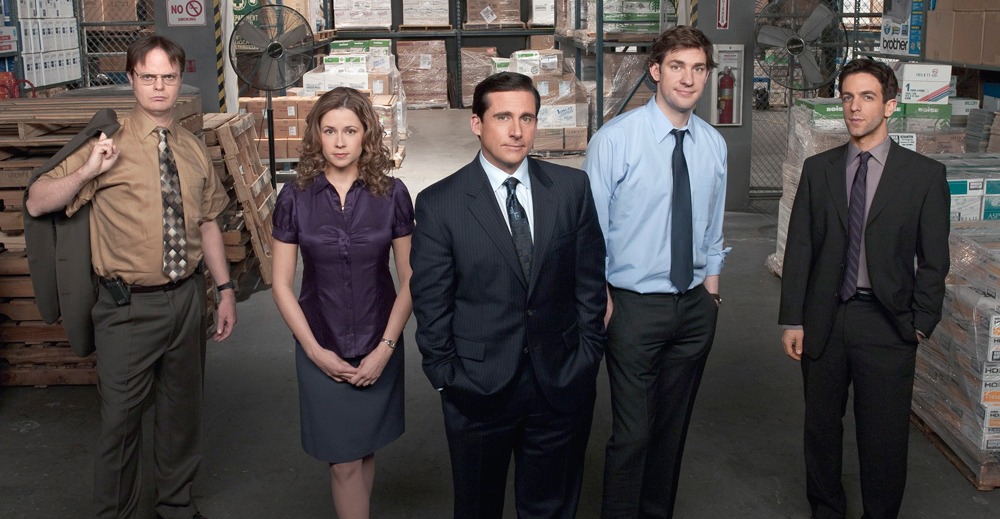
Social VR Changes Sitcoms
Comedy thrives on shared experience. VR makes that literal.
You and friends could explore scenes together, react in real time, or even role-play inside the environment. It’s like fandom turned into a playable space.
Universal Monsters Enter a New Dimension
If sitcom nostalgia brings comfort, monster universes bring adrenaline.
Classic horror properties are perfect for VR because immersion amplifies emotion. Fear becomes personal. Atmosphere becomes physical.
Why Horror Works So Well in VR
VR intensifies:
-
Scale
-
Sound
-
Proximity
-
Tension
A shadow behind you isn’t just on screen — it’s behind you.
That psychological shift is huge.
From Watching Monsters to Facing Them
Instead of watching characters run, you run. Instead of observing suspense, you feel it.
That changes storytelling structure entirely.
The Strategy Behind Meta’s Push
Content Drives Hardware
People don’t buy devices. They buy experiences.
Meta understands that recognizable franchises reduce uncertainty. If users know they can explore beloved worlds, the barrier to entry drops.
The “Console Moment” for VR
Gaming history shows this pattern:
-
Hardware launches
-
Content arrives
-
Adoption accelerates
This partnership aims to be VR’s content catalyst.
NBCUniversal’s Motivation
Extending IP Lifespan
Studios want properties to live beyond reruns and reboots. VR offers a third path: spatial storytelling.
It’s not remake vs sequel. It’s expansion.
New Revenue Models
VR enables:
-
Premium experiences
-
Virtual merchandise
-
Live events
-
Interactive storytelling passes
It turns fandom into ongoing participation.
What Experiences Could Look Like
Interactive Story Episodes
Users might influence outcomes. Small choices could reshape scenes.
You’re not replacing writers — you’re exploring branching perspectives.
Social Hangouts in Fictional Worlds
Fans gathering inside sets is powerful. It turns communities into locations.
Gamified Exploration
Think collectibles, challenges, and narrative puzzles embedded inside iconic environments.
Entertainment becomes playable memory.
The Bigger Trend — Experiential Media
This deal reflects a larger shift.
We’re moving from:
-
Watching → Participating
-
Content → Worlds
-
Episodes → Ongoing presence
Streaming’s Next Evolution
Streaming solved access. VR tackles engagement.
The question isn’t “What should I watch?”
It becomes: “Where do I want to go?”
Challenges Still Ahead
Let’s be real — VR still faces obstacles.
Hardware Adoption
Headsets are growing, but not universal. Friction still exists.
Comfort, price, and habit matter.
Designing for Presence Is Hard
Traditional storytelling doesn’t automatically translate to VR.
Writers must think spatially. Designers must think emotionally.
It’s a new language.
Why Sitcoms + Horror Is a Smart Combo
At first glance, the pairing seems random.
Emotional Range Demonstrates VR’s Potential
Sitcoms show comfort and social interaction. Horror shows intensity and immersion.
Together, they prove VR can handle the full spectrum of entertainment.
That’s strategic signaling.
The Role of Community
VR is inherently social.
Shared Presence Beats Shared Screens
Watching together is nice. Being somewhere together is different.
It triggers deeper memory formation.
You remember where you were — even if it was virtual.
Fandom Becomes Place-Based
Communities may gather inside fictional spaces the way gamers gather in online worlds today.
That’s powerful brand loyalty.
The Business Implications
This partnership hints at how studios may operate moving forward.
IP Ecosystems Instead of Single Products
A franchise might include:
-
Films
-
Shows
-
Games
-
VR worlds
-
Live events
One universe, multiple entry points.
Persistent Worlds Create Recurring Revenue
If a world exists continuously, engagement becomes ongoing rather than episodic.
That’s a fundamental shift.
How Creators Benefit
It’s not just corporations.
New Creative Roles
We’ll see growth in:
-
Spatial writers
-
VR directors
-
Interaction designers
-
World architects
Storytelling jobs expand.
Smaller Stories Can Thrive
VR allows niche experiences with strong engagement. You don’t need mass audiences — you need passionate ones.
The Psychological Impact of Presence
Presence changes perception.
Memory Feels More Real
Your brain treats immersive experiences differently. That’s why VR can feel surprisingly emotional.
You don’t just recall scenes. You recall being there.
Nostalgia Gets Stronger
Returning to familiar worlds in VR may deepen attachment to franchises.
It turns nostalgia into experience rather than recollection.
What This Means for the Future of Entertainment
This partnership is less about a single release and more about direction.
Entertainment Becomes Spatial
Stories won’t just exist in time. They’ll exist in space.
Fans Become Participants
The line between audience and character keeps blurring.
And once that line disappears, expectations change forever.
The Long-Term Vision
If this works, we’ll likely see:
-
More studio-tech alliances
-
Larger IP libraries entering VR
-
Persistent entertainment worlds
-
Hybrid storytelling formats
In other words, entertainment stops being something you consume and becomes somewhere you go.
That’s the real shift.
Conclusion
The collaboration between Meta and NBCUniversal represents a turning point in how stories are delivered and experienced. By bringing beloved properties into virtual reality, the industry is testing a future where entertainment isn’t limited to screens.
Sitcom comfort, horror intensity, social presence, and interactive storytelling all converge into a single idea: immersion.
We’re moving toward a world where fans don’t just watch iconic moments — they stand inside them. And once audiences taste that level of connection, there’s no going back.
The question isn’t whether VR entertainment will grow.
It’s how fast.