The Rise of S.W.A.T. in Modern Television
When S.W.A.T. premiered in 2017, it entered a crowded battlefield of police procedurals. Crime dramas were already dominating network television. Yet this series promised something slightly different—high-intensity tactical operations fused with social commentary and character-driven storytelling.
Led by Shemar Moore as Daniel “Hondo” Harrelson, the show positioned itself as both explosive and introspective. It wasn’t just about breaching doors; it was about bridging divides—between communities and law enforcement, between loyalty and reform.
But here’s the real question: does it live up to that ambition?
What Makes S.W.A.T. Different From Other Police Dramas?
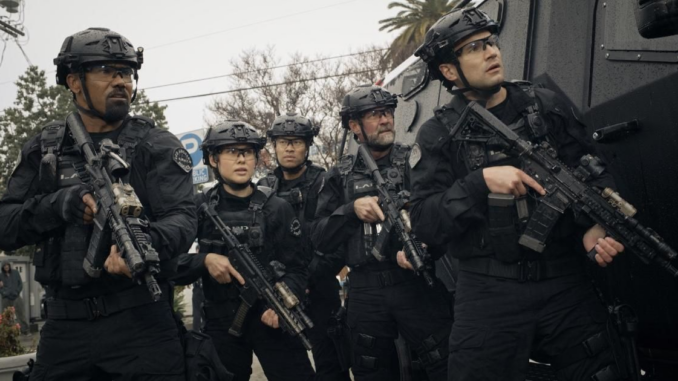
Most cop shows follow detectives solving crimes. S.W.A.T. shifts the lens to tactical response. Instead of interrogations in dim rooms, we get coordinated assaults, hostage rescues, and counter-terrorism operations.
It feels cinematic. Every episode carries blockbuster energy. Think of it as network TV wearing a Hollywood action jacket.
Yet beneath the tactical gear lies something more layered.
Action-Driven Storytelling: Strength or Weakness?
The Adrenaline Factor
Let’s be honest—S.W.A.T. knows how to stage action. Explosions. Snipers. Armored vehicles. The pacing rarely slows down. For viewers craving momentum, it delivers.
But action alone can become repetitive. The formula sometimes shows: crisis emerges, team mobilizes, threat neutralized.
Does predictability weaken its impact? For some critics, yes. For loyal fans, that structure is comforting—a weekly ritual of controlled chaos.
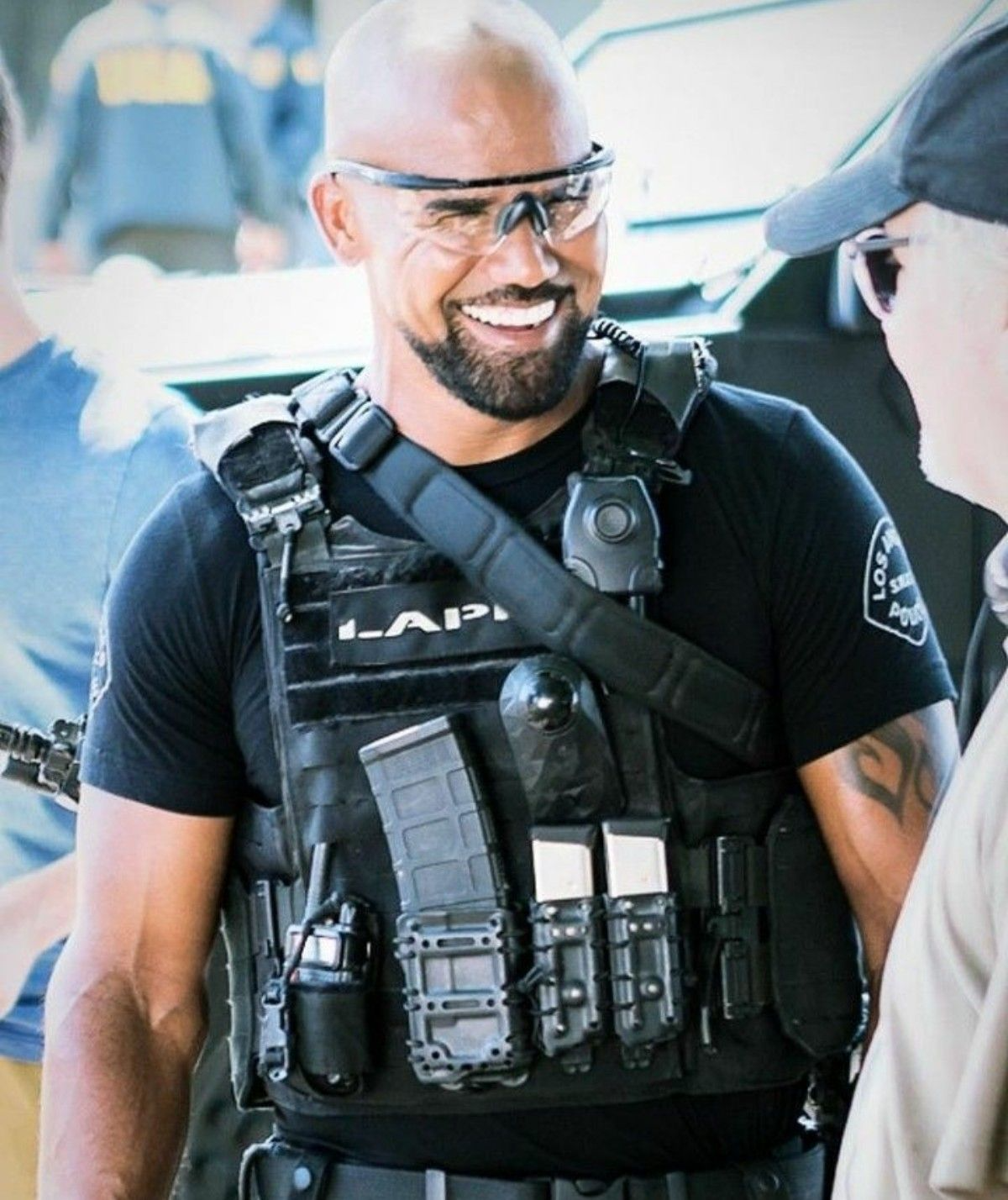
The Power of Shemar Moore as Hondo
Hondo isn’t a cardboard action hero. He’s a leader navigating racial tension, institutional pressure, and personal responsibility.
Moore’s performance anchors the series. He brings emotional credibility to scenes that could otherwise feel procedural. His internal conflict—supporting law enforcement while challenging its flaws—adds moral weight.
Without him, S.W.A.T. might have been just another tactical show.
Representation and Social Commentary
Addressing Real-World Issues
Unlike older procedurals that avoided controversy, S.W.A.T. often leans into it. Episodes touch on police-community relations, systemic bias, immigration debates, and political unrest.
That approach wins praise from viewers who want relevance. It also draws criticism from those who prefer escapism.
So, is it brave storytelling or strategic branding? Perhaps both.
The Ensemble Cast: More Than Background Operators
Beyond Hondo, the team includes characters like Street, Chris, Deacon, and Tan. Each carries personal arcs that stretch beyond tactical missions.
Romantic struggles. Family pressures. Career doubts.
These subplots humanize the badge. They remind us that behind the helmets are flawed individuals trying to balance duty and identity.
Still, some viewers argue that character development occasionally stalls. Supporting arcs sometimes fade into the background when action takes priority.
Is S.W.A.T. Critically Acclaimed?
Here’s where things get interesting.
While S.W.A.T. maintains solid ratings and a devoted fanbase, critics have often been lukewarm. Reviews sometimes describe it as formulaic or overly conventional.
But ratings don’t lie. Longevity speaks louder than opinion columns. A show doesn’t survive multiple seasons without consistent viewership.
This tension between critical reception and audience loyalty fuels the underrated-versus-overrated debate.
Comparing S.W.A.T. to Other Crime Dramas
How Does It Stack Up Against the Competition?
Consider other long-running police franchises. Many rely heavily on procedural mystery. S.W.A.T. emphasizes coordinated response and teamwork.
It feels less like a whodunit and more like a tactical chess match.
If you crave cerebral detective puzzles, it might not satisfy you. If you prefer high-stakes execution under pressure, it hits the mark.
The Visual Style and Production Quality
S.W.A.T. invests in production. Helicopter shots over Los Angeles. Realistic weapon choreography. Tactical authenticity.
The show often films on location, giving it a grounded urban atmosphere. That authenticity strengthens immersion.
However, heavy action sequences can sometimes overshadow subtle storytelling. Spectacle risks drowning nuance.
Fan Loyalty and Cultural Impact
Let’s talk about something critics can’t quantify: emotional investment.
Fans rallied loudly when cancellation rumors surfaced. Social media campaigns demonstrated how deeply audiences connect with the series.
That kind of loyalty doesn’t come from mediocrity. It comes from resonance.
Overrated? Here’s the Case For It
Some argue S.W.A.T. leans too heavily on explosive set pieces. Others claim its episodic structure rarely surprises.
If you’ve watched enough network procedurals, you might predict outcomes before the first commercial break.
And yes, occasionally dialogue slips into cliché territory.
For viewers seeking groundbreaking narrative innovation, it may feel safe rather than daring.
Underrated? Here’s the Counterargument
On the flip side, S.W.A.T. accomplishes something difficult: balancing entertainment with relevance.
It operates within network constraints yet still tackles divisive themes. It delivers weekly action without completely sacrificing character depth.
Consistency is underrated. Reliability matters.
Not every show needs to reinvent television. Some succeed by refining a formula to near precision.
Audience vs. Critics: Who Defines Quality?
This debate goes beyond one show.
Should critical acclaim determine value? Or should audience engagement carry equal weight?
S.W.A.T. thrives because viewers show up. Week after week. Season after season.
Sometimes popularity signals connection rather than hype.
The Evolution of the Series Over Time
Long-running shows must adapt or fade. S.W.A.T. has evolved in tone, occasionally darkening its narratives and deepening interpersonal conflicts.
Character exits and new additions shift dynamics. Leadership tensions rise. Emotional stakes grow.
The show isn’t static—even if its structure feels familiar.
Is S.W.A.T. Built for Binge-Watching?
Interestingly, S.W.A.T. performs well in streaming environments. Its fast pacing and cliffhangers encourage “just one more episode.”
While designed for weekly broadcast, it transitions smoothly to binge culture.
That adaptability strengthens its relevance in a streaming-dominated era.
So, Underrated or Overrated? The Balanced Verdict
Here’s the honest assessment.
S.W.A.T. isn’t revolutionary television. It doesn’t dismantle genre conventions. But it executes its mission with discipline and clarity.
If you measure greatness by innovation alone, you might call it overrated.
If you measure success by longevity, fan loyalty, cultural conversation, and consistent entertainment value, you might label it underrated.
Perhaps the truth lies in between.
S.W.A.T. is not perfect. But it’s far from disposable.
Conclusion: A Tactical Drama That Knows Its Mission
At its core, S.W.A.T. understands what it wants to be: a high-intensity procedural grounded in character and contemporary tension.
It blends action with moral complexity. It balances spectacle with sincerity. It satisfies viewers who want adrenaline without abandoning emotional stakes.
Underrated? Overrated?
Maybe the better question is this: does it keep you watching?
If the answer is yes, the debate becomes secondary.
FAQs
1. How many seasons of S.W.A.T. are there?
The series has run for multiple seasons since its 2017 debut, maintaining strong network performance and streaming visibility.
2. Is S.W.A.T. based on a true story?
No. It is a fictional procedural inspired by the concept of real-life Special Weapons and Tactics units.
3. Why is Shemar Moore central to the show’s success?
His portrayal of Hondo provides emotional gravity, leadership credibility, and narrative cohesion.
4. Is S.W.A.T. more action-focused than other cop dramas?
Yes. It emphasizes tactical operations and coordinated response rather than detective-style investigations.
5. Is S.W.A.T. worth watching if I’m new to police dramas?
Absolutely—especially if you enjoy fast-paced storytelling, ensemble dynamics, and contemporary themes.