
The Surprising Truth Behind a Beloved Sitcom
When you think about The Office, what comes to mind? Laughter. Cringe comedy. Endless rewatches. And of course, Dwight Schrute’s unforgettable intensity.
But here’s the twist—while millions of fans were laughing at Scranton’s quirkiest paper salesman, the man behind the glasses, Rainn Wilson, says he was “mostly unhappy” during much of the show’s run.
Wait—what?
How could someone starring in one of the most iconic sitcoms of the 21st century feel that way? Let’s unpack what really happened behind the scenes and explore the emotional reality of fame, comparison, and expectation.
Fame Isn’t Always the Dream We Imagine
We tend to picture success as a mountaintop moment. You climb. You reach the summit. You celebrate. End of story.
But life rarely works like that.
For Wilson, landing a starring role on The Office in 2005 was career-defining. Dwight Schrute became a pop culture phenomenon. Memes. Merchandise. Awards. Recognition everywhere.
Yet internally? It wasn’t all sunshine and beet farms.
Wilson has openly shared that during the early and middle seasons, he struggled with feelings of dissatisfaction. Why? Because even while achieving success, he found himself wanting more.
Sound familiar?
The Comparison Trap in Hollywood
Looking Sideways Instead of Forward
Wilson admitted he often compared himself to other actors in Hollywood. While he was on a hit NBC show, he saw peers landing blockbuster movie roles.
He wasn’t the only one navigating ambition. His co-star Steve Carell was becoming a major film star during the series’ peak, starring in hits like The 40-Year-Old Virgin and Little Miss Sunshine.
It’s human nature to look sideways. To measure. To question.
Wilson has reflected that instead of fully appreciating his success, he focused on what he didn’t have—leading man movie roles, bigger paychecks, greater prestige.
Why Comparison Is a Happiness Killer
Comparison is like drinking salt water. The more you consume, the thirstier you get.
Even though Wilson was earning a steady income and building a loyal fanbase, he couldn’t shake the thought: “Why not me?”
That mindset, he later acknowledged, drained the joy from what should have been a triumphant period.
The Pressure of Playing an Iconic Character
Dwight Schrute wasn’t just a role. He became a cultural symbol.
From “Bears. Beets. Battlestar Galactica.” to elaborate pranks with Jim Halpert, Dwight defined an era of television comedy.
But playing such a specific, eccentric character for nine seasons can create its own pressure.
Typecasting Fears
Actors often worry about being boxed into one identity. When audiences love you as one character, will they accept you as anything else?
Wilson has spoken about that underlying anxiety. Being known primarily as Dwight was both a gift and a creative constraint.
It’s like being crowned king of one kingdom—but wondering if you’ll ever rule another.
Success Without Satisfaction
Let’s pause for a moment.
How many people chase a dream job, only to discover that achievement doesn’t automatically deliver fulfillment?
Wilson has candidly shared that he expected fame and financial security to bring lasting happiness. Instead, he experienced restlessness.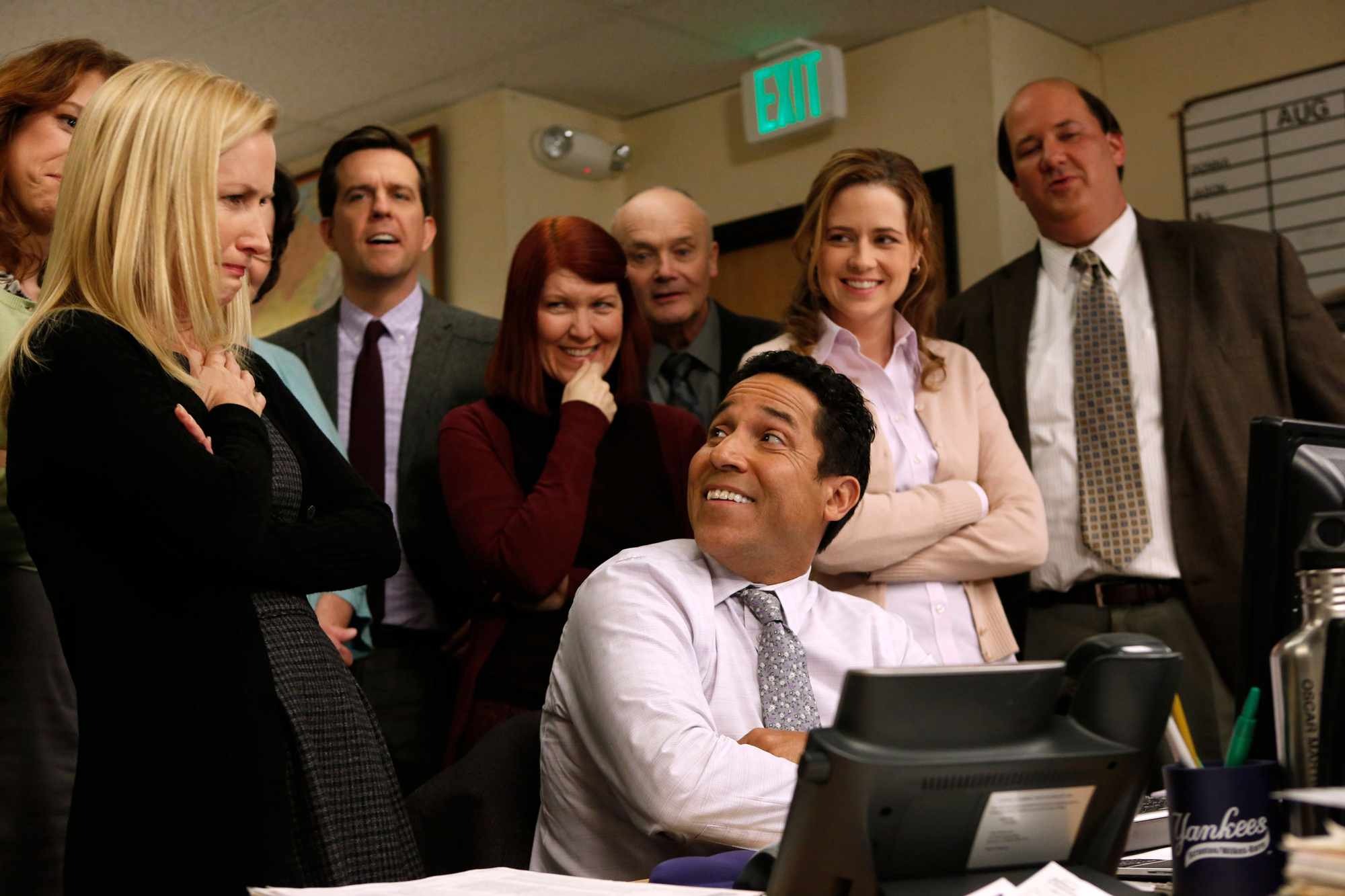
The Myth of “I’ll Be Happy When…”
We’ve all done it.
“I’ll be happy when I get that promotion.”
“I’ll be happy when I buy that house.”
“I’ll be happy when people recognize my talent.”
But happiness isn’t a future event. It’s a present practice.
Wilson later realized that his dissatisfaction wasn’t about the show—it was about his mindset.
Spiritual Growth and Perspective
Over time, Wilson shifted his focus inward.
He began exploring spirituality, mindfulness, and gratitude more deeply. Rather than chasing external validation, he started asking bigger questions:
-
What truly brings meaning?
-
Who am I beyond my career?
-
What does success actually look like?
This personal evolution helped him reframe his experience on The Office.
Gratitude in Retrospect
Interestingly, when the series ended in 2013, many cast members expressed deep emotion about saying goodbye.
Wilson has since acknowledged how special the experience truly was.
The Gift of Creative Collaboration
Working alongside talented performers like John Krasinski and Jenna Fischer, Wilson was part of something rare—a show that grew stronger with time and built a devoted global fanbase.
In hindsight, he recognizes the privilege.
Sometimes you don’t see the magic while you’re standing inside it.
The Reality of Long-Running TV Shows
Nine seasons is a marathon, not a sprint.
Filming schedules are intense. Repetition sets in. Creative fatigue happens.
Even on a comedy set filled with laughter, actors face long hours, industry politics, and constant public scrutiny.
Wilson’s honesty pulls back the curtain on an uncomfortable truth: entertainment isn’t immune to emotional complexity.
What His Honesty Teaches Us About Ambition
Here’s the takeaway.
You can achieve your dream and still feel empty. And that doesn’t make you ungrateful—it makes you human.
Wilson’s openness resonates because it dismantles the illusion that fame equals fulfillment.
Redefining Success
Instead of measuring success by awards or headlines, Wilson has leaned toward service, creativity, and impact.
He later founded projects focused on meaningful conversations and social awareness, channeling his voice beyond sitcom fame.
It’s a reminder that careers evolve—and so do definitions of happiness.
The Legacy of Dwight Schrute
Despite his complicated feelings during production, there’s no denying Dwight’s legacy.
The character remains one of television’s most quoted personalities. Streaming platforms continue to introduce new generations to Dunder Mifflin.
And Wilson? He embraces the role today with humor and appreciation.
Dwight may have been intense, competitive, and occasionally absurd—but he was unforgettable.
Why Fans Appreciate His Vulnerability
When celebrities speak honestly about their struggles, it humanizes them.
Wilson’s admission doesn’t diminish The Office. If anything, it deepens our understanding of what goes into creating something iconic.
We see the laughter on screen. We rarely see the inner dialogue off camera.
And that’s why his words matter.
The Bigger Conversation About Mental Health in Hollywood
Wilson’s story fits into a broader narrative.
More actors are discussing mental health, burnout, and unrealistic expectations in entertainment. Fame magnifies everything—both applause and insecurity.
By speaking up, Wilson contributes to a healthier, more honest conversation about creative work.
So, Was It All Worth It?
Looking at his career now, it’s hard to argue otherwise.
While he may have felt “mostly unhappy” at times, the show changed his life—and the lives of millions of viewers.
The irony? The very role he sometimes undervalued became the foundation for his long-term influence.
Life has a funny way of teaching gratitude after the storm passes.
Conclusion: Happiness Is an Inside Job
Rainn Wilson’s revelation is both surprising and relatable. Even at the height of sitcom fame, he struggled with comparison, ambition, and unmet expectations.
But here’s the beautiful part—he grew from it.
His journey reminds us that success without self-awareness can feel hollow. Fulfillment doesn’t come from applause. It comes from perspective.
So next time you rewatch The Office, maybe you’ll laugh a little differently. Not just at Dwight’s antics—but at the deeply human story behind them.
Because sometimes, the most powerful performance is honesty.