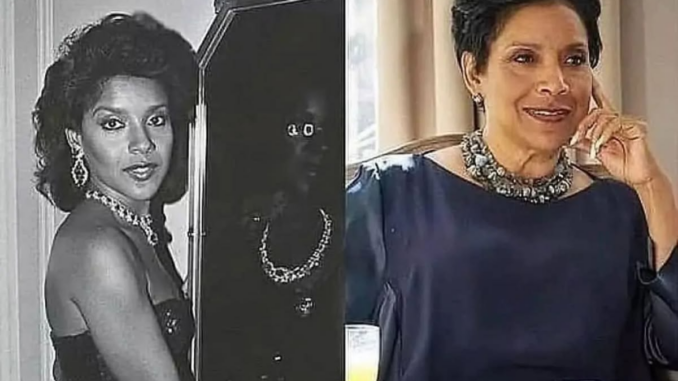
Phylicia Rashad: The Woman in the Eye of the Media Storm
The Woman Behind the Iconic Role
For millions of viewers, Phylicia Rashad will always be Clair Huxtable—the elegant, sharp-witted matriarch from The Cosby Show. She wasn’t just a TV mom. She was the TV mom. Poised. Intelligent. Effortlessly commanding.
But what happens when grace meets controversy? What does it feel like to stand in the middle of a media storm that you didn’t create—but can’t escape?
Let’s step beyond the sitcom frame and into the complicated reality of a woman navigating legacy, loyalty, and public scrutiny.
From Sitcom Royalty to Cultural Symbol
The Rise of Clair Huxtable
In the 1980s, Rashad helped redefine representation on American television. Clair Huxtable wasn’t a stereotype. She was a successful attorney, a devoted mother, and an equal partner in her marriage. That portrayal mattered. It shifted narratives about Black families on mainstream television.
Rashad’s performance blended authority with warmth. She didn’t shout to command attention; she simply owned the room. Viewers admired her. Critics praised her. Hollywood respected her.
And just like that, she became part of television history.
A Career Beyond the Living Room
Many people freeze her image in that one role, but Rashad’s career stretches far beyond sitcom fame. She built a formidable résumé in theater, earning accolades on Broadway and commanding stages long after prime-time lights dimmed.
While some actors chase the next big screen payday, Rashad leaned into craft. Theater became her anchor. It demanded discipline, vulnerability, and range. And she delivered.
When the Media Storm Began
The Public Response That Sparked Backlash
Years after The Cosby Show ended, controversy surrounding Bill Cosby ignited widespread media scrutiny. When Rashad publicly commented in a way that appeared supportive of her former co-star, reactions exploded.
Suddenly, she wasn’t just an actress. She became a headline.
Social media amplified every word. Comment sections swelled. News outlets dissected her statements. In a digital age where nuance often disappears, the backlash intensified quickly.
Loyalty vs. Public Expectation
Here’s the uncomfortable truth: public figures are rarely allowed complexity. Rashad faced a difficult balancing act—personal loyalty versus public perception.
Do you stand by someone you’ve known professionally for decades? Or do you distance yourself to align with public sentiment?
There’s no simple script for that.
The Pressure of Being a Cultural Role Model
When Grace Becomes a Standard
For years, audiences saw Rashad as the embodiment of wisdom and moral clarity. But that perception created its own trap. When you become a role model, people expect perfection.
And perfection isn’t human.
The media storm revealed something deeper: society often projects its ideals onto celebrities. When they act independently of those ideals, the reaction can be swift and unforgiving.
The Weight of Representation
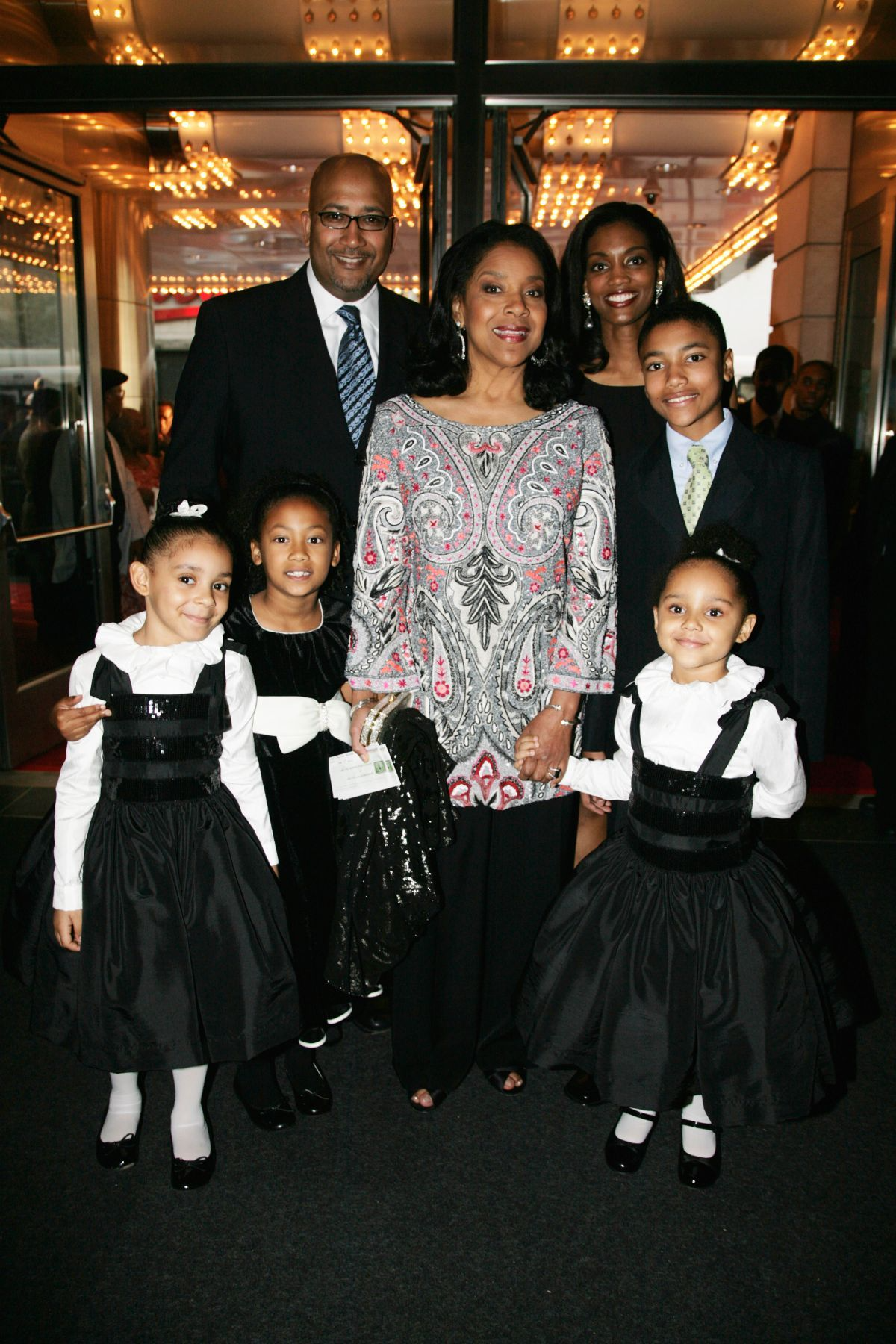
Rashad carries more than personal reputation—she carries cultural significance. As one of the most visible Black actresses of her era, her words resonate beyond individual opinion. They ripple through communities, industries, and institutions.
That kind of visibility amplifies both praise and criticism.
A Distinguished Career in Theater and Academia
Broadway’s Respected Force
Long before and after the headlines, Rashad earned serious respect on stage. She won a Tony Award, proving her talent extended far beyond sitcom charm. Theater insiders view her as disciplined, commanding, and deeply skilled.
Unlike television, theater doesn’t rely on image alone. It relies on execution. Night after night.
And Rashad delivered.
Leadership in Higher Education
In recent years, Rashad stepped into academic leadership roles, mentoring young performers and shaping the next generation of artists. That transition reflects longevity. It also reflects intention.
She didn’t retreat from public life. She evolved within it.
Media Cycles and the Modern Backlash Machine
The Speed of Outrage
Decades ago, controversy moved slowly. Today, it moves at the speed of Wi-Fi. A single statement can trigger global reaction within hours.
Rashad experienced that acceleration firsthand. Headlines multiplied. Commentary surged. Context blurred.
In this climate, public figures often find themselves reacting to narratives instead of shaping them.
Cancel Culture and Complex Conversations
The phrase “cancel culture” enters these discussions frequently. Some argue it promotes accountability. Others believe it oversimplifies complex situations.
Rashad’s experience sits at the intersection of that debate. It forces a broader question: Can individuals express nuanced personal views without becoming defined by a single moment?
Standing Firm Under Scrutiny
Public Clarifications and Professional Consequences
Following backlash, Rashad clarified her statements and reaffirmed her positions regarding justice and accountability. But once the media machine turns, it rarely reverses completely.
The scrutiny didn’t erase her career. It reframed it.
Still, she maintained her professional commitments. She continued directing, teaching, and performing. That persistence speaks volumes.
Resilience in the Public Eye
Resilience isn’t loud. It’s steady.
Rashad didn’t launch aggressive rebuttals. She didn’t spiral into endless interviews. Instead, she continued working. Continued teaching. Continued building.
Sometimes, the most powerful response to controversy is consistency.
The Complexity of Personal Relationships in Public Life
Here’s something we don’t discuss enough: celebrities are human beings with long-standing relationships. They share history, mentorship, and loyalty. Those bonds don’t dissolve overnight simply because headlines demand it.
Rashad’s situation highlights the tension between private loyalty and public accountability. It’s easy to judge from the outside. It’s harder to navigate from the inside.
Legacy Beyond the Storm
Reclaiming Narrative Through Work
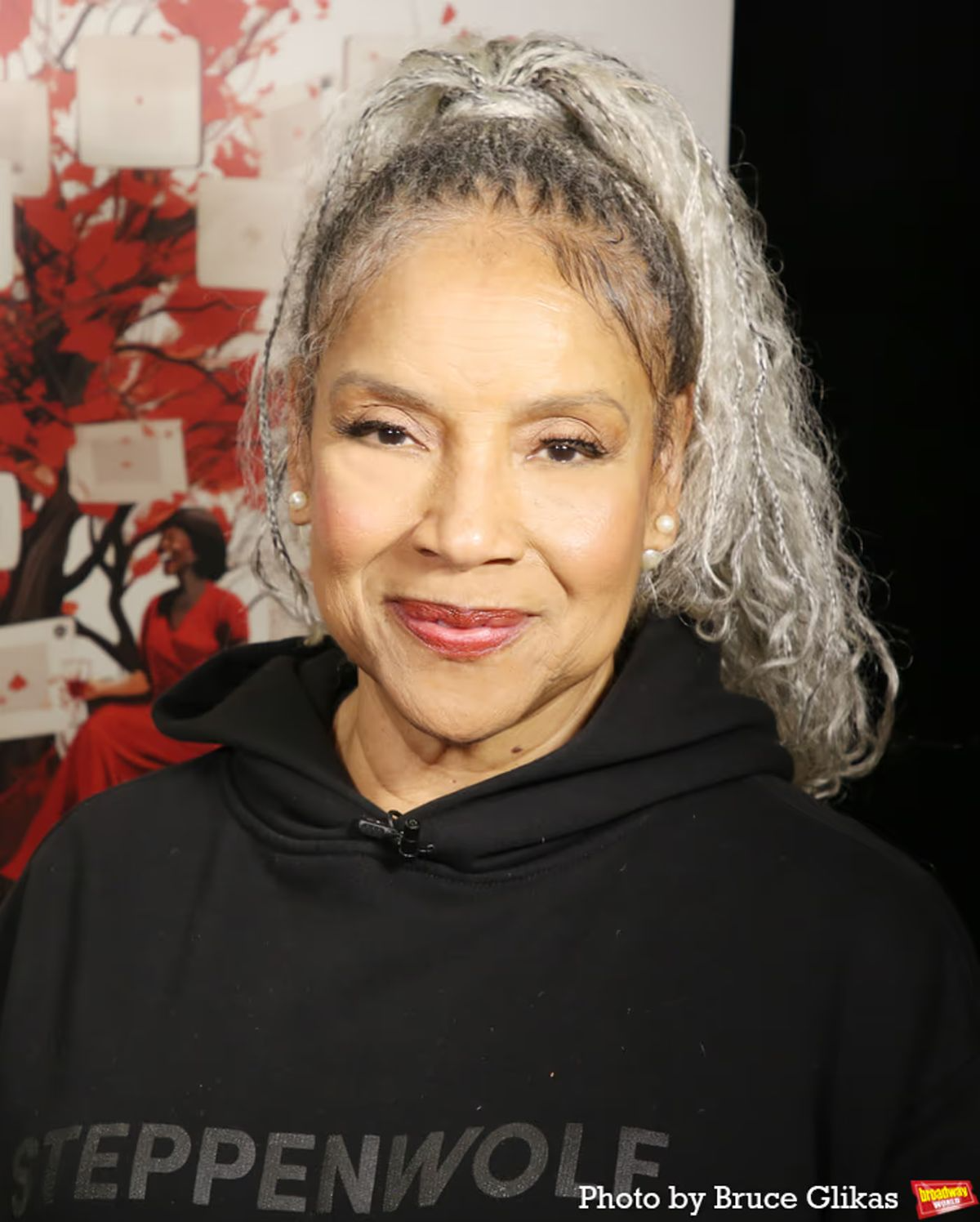
When noise surrounds you, the best countermeasure is output. Rashad’s continued involvement in theater and academia demonstrates narrative resilience.
She isn’t frozen in controversy. She’s moving forward.
A Career Measured in Decades
Few actors sustain relevance across multiple decades. Fewer still transition seamlessly between television, theater, and leadership roles.
Rashad’s legacy extends far beyond a single media moment. It rests on discipline, range, and endurance.
Public Perception: A Divided Audience
Ask audiences today what they think of Phylicia Rashad, and you’ll hear varied responses. Some emphasize her artistic excellence. Others recall the controversy. Many hold both views simultaneously.
Public perception isn’t binary. It’s layered.
And in Rashad’s case, that layered perception may define her more accurately than either praise or criticism alone.
What This Media Storm Teaches Us
Celebrity culture often demands immediate alignment with public consensus. But real life rarely operates in black and white.
Rashad’s story reminds us that humans exist in gray spaces—where loyalty, belief, experience, and consequence intersect.
It also reminds us how quickly admiration can morph into scrutiny in the digital age.
Conclusion: Grace in the Crosswinds
Phylicia Rashad’s journey from beloved sitcom icon to figure in a media storm reveals something essential about modern fame. Visibility magnifies everything—talent, words, relationships, and mistakes.
Yet through controversy, she has continued to work, mentor, and create. Her career didn’t vanish. It adapted.
In the end, Rashad remains a woman of substance navigating an era of amplified judgment. The storm may swirl, but she stands grounded—defined not by a single headline, but by decades of craft.
And perhaps that’s the real takeaway: reputations evolve, but resilience endures.
FAQs
1. Why did Phylicia Rashad face media backlash?
She faced criticism following public comments perceived as supportive of Bill Cosby during a highly controversial period.
2. Is Phylicia Rashad still active in the entertainment industry?
Yes, she remains active in theater and academic leadership roles.
3. What is Phylicia Rashad best known for?
She is widely recognized for portraying Clair Huxtable on The Cosby Show.
4. Has the controversy affected her career permanently?
While it reshaped public discourse around her, she continues to work and maintain professional influence.
5. What defines Phylicia Rashad’s legacy today?
Her legacy combines groundbreaking television representation, theatrical excellence, and resilience amid public scrutiny.