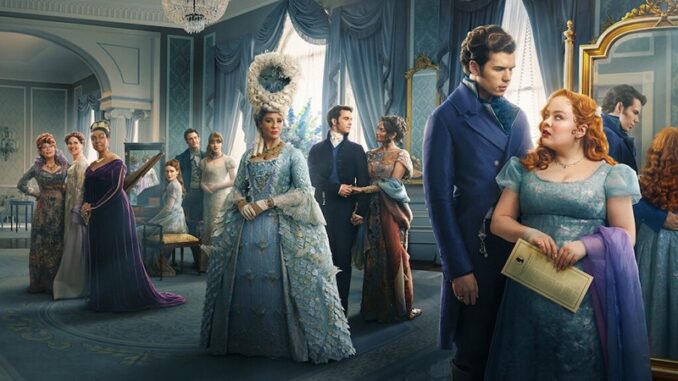
Love Always Wins in Bridgerton
Let’s be honest—most shows leave us hanging. They tease romance, build tension, then pull the rug out from under our feet. But not Bridgerton.
Across four dazzling seasons, the series delivers exactly what romance fans crave: emotional chaos, undeniable chemistry, and, most importantly, hard-earned happy endings. Four seasons. Four couples. Four love stories that remind us why we fell in love with love stories in the first place.
So what makes these happily-ever-afters feel so satisfying? Why do they hit differently? Let’s step into Regency London and break it down.
The Secret Formula Behind Bridgerton’s Romance Success
At its heart, Bridgerton follows a simple but powerful rule: every season belongs to one Bridgerton sibling and their epic love story.
It’s like opening a beautifully wrapped gift each year. You know it’ll sparkle—you just don’t know how.
The show blends:
-
Slow-burn tension
-
Emotional vulnerability
-
Scandal and societal pressure
-
Steamy chemistry
-
Character growth
And then? It delivers the payoff.
Let’s revisit each couple who earned their happy ending.
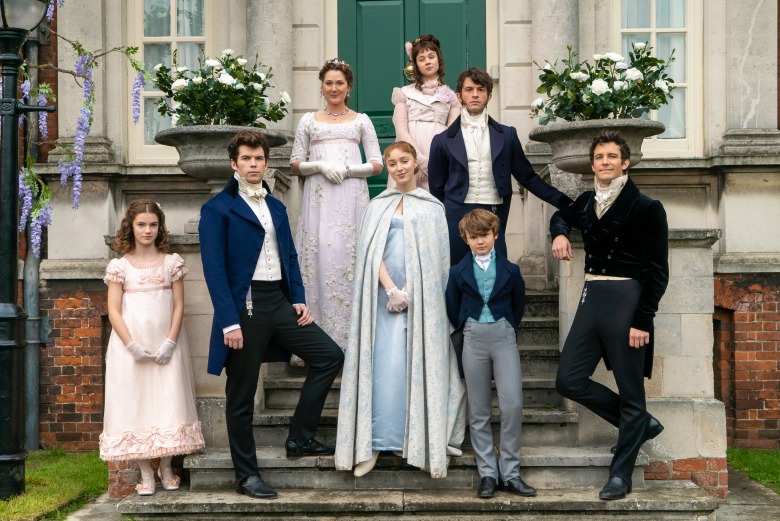
Season 1 – Daphne and Simon: From Fake Courtship to Real Love
The Duke and the Diamond
Season one introduced us to Daphne Bridgerton, the family’s eldest daughter, and her reluctant suitor, Simon Basset, the brooding Duke of Hastings.
Their arrangement? Fake courtship.
Their outcome? Real, messy, passionate love.
Classic trope, right? Yes—but elevated.
Enemies-to-Lovers with Emotional Depth
Simon isn’t just a charming duke. He carries childhood trauma and a vow never to have children. Daphne isn’t just innocent—she’s determined, intelligent, and unwilling to accept half a marriage.
Their relationship becomes a battlefield of pride and pain.
And that’s what makes their ending powerful.
Why Their Happy Ending Matters
When Simon confronts his past and chooses love over vengeance, it feels earned. Daphne doesn’t “fix” him—he grows because he chooses to.
Their final image as a united family? That’s not just romance. That’s healing.
Season 2 – Anthony and Kate: Fire Meets Fire
A Love Story Built on Tension
If Season 1 was romantic, Season 2 was volcanic.
Anthony Bridgerton, the viscount and eldest Bridgerton sibling, believes love is a liability. Enter Kate Sharma—sharp-witted, fiercely protective, and completely unimpressed by him.
Sparks? Immediate.
Harmony? Absolutely not.
The Slow Burn That Broke the Internet
Their love unfolds in stolen glances, loaded silences, and near-confessions. It’s agony. Delicious agony.
They challenge each other. Mirror each other. Fight their feelings at every turn.
It’s like watching two thunderstorms collide.
Choosing Love Over Duty
Anthony’s arc is about confronting fear. He watched his father die young and vowed never to love deeply. Love, to him, meant inevitable loss.
But Kate changes that.
When he chooses her—not out of duty but desire—it feels revolutionary. Their marriage isn’t practical. It’s passionate.
And that shift? That’s the happy ending.
Season 3 – Colin and Penelope: Friends to Lovers Perfection
The Wallflower and the Wanderer
Season 3 gives the spotlight to Colin Bridgerton and Penelope Featherington.
This isn’t just romance—it’s redemption.
Penelope has loved Colin quietly for years. He sees her as a friend. Safe. Familiar.
Until he doesn’t.
Identity, Secrets, and Growth
Penelope carries a powerful secret as Lady Whistledown. Her double life creates real stakes.
Colin’s journey? Learning to truly see her.
Not as a wallflower.
Not as a side character.
But as the love of his life.
Why This Ending Feels Personal
We’ve all rooted for the underdog.
Penelope’s glow-up isn’t just physical—it’s emotional. She demands respect. She claims her space.
And when Colin stands beside her, not overshadowing her but supporting her, their ending feels deeply modern despite the Regency setting.
Season 4 – A New Love Story, A Familiar Promise
Continuing the Bridgerton Legacy
By the fourth season, audiences know what to expect: emotional chaos followed by emotional clarity.
Each season builds the Bridgerton family’s legacy of love.
Four siblings. Four marriages rooted in passion, not convenience.
The Pattern That Keeps Us Watching
Here’s the genius of the format:
-
Every sibling faces internal conflict
-
Every romance challenges societal norms
-
Every season escalates the emotional stakes
-
Every finale delivers catharsis
It’s structured comfort. Predictable—but in the best way.
Like your favorite dessert. You know it’s sweet. You still crave it.
Why Four Happy Couples Feel Revolutionary
In a World of Dark Dramas, Romance Wins
We live in an era of anti-heroes and tragic endings. Not every story needs to end in sacrifice.
Sometimes, we want joy.
Bridgerton understands that.
Happy Doesn’t Mean Easy
Notice something important: none of these couples get easy love.
They fight. They doubt. They struggle.
The happiness feels earned because it comes after growth.
The Emotional Payoff Formula
The show uses a powerful storytelling arc:
-
Attraction
-
Resistance
-
Emotional rupture
-
Self-reflection
-
Grand gesture
-
Commitment
It’s romance math. And it works every time.
Family at the Center of It All
The Bridgerton Bond
Beyond romance, there’s something even more magnetic: the family dynamic.
The teasing siblings. The protective instincts. The unconditional support.
Each love story strengthens the family rather than pulling it apart.
And that’s rare.
Love Multiplied, Not Divided
Every marriage adds another layer of warmth to the Bridgerton household.
More laughter.
More chaos.
More unity.
It’s not just about couples—it’s about legacy.
What Makes Bridgerton’s Happy Endings So Addictive?
Emotional Realism Wrapped in Fantasy
The dresses are extravagant. The balls are glittering. The music is orchestral pop brilliance.
But the emotions? Raw and real.
We see ourselves in their insecurities. Their fears. Their longing.
Romance That Respects Growth
No one stays the same.
Simon softens.
Anthony opens up.
Colin matures.
Penelope steps into power.
Growth equals satisfaction.
A Blueprint for Modern Fairy Tales
These aren’t passive heroines or one-dimensional heroes.
They argue. They apologize. They evolve.
It’s fairy-tale romance—with therapy.
The Cultural Impact of Four Happy Couples
Why Audiences Crave Joy Again
There’s something quietly radical about consistent happy endings.
They remind us that:
-
Love can survive trauma
-
Pride can be overcome
-
Fear doesn’t have to win
-
Families can stay strong
And maybe—just maybe—hope isn’t naive.
Conclusion: Four Seasons, Four Proofs That Love Endures
Across four seasons, Bridgerton has done something deceptively simple: it promised romance, and it delivered.
Not halfway.
Not tragically.
But fully.
Four siblings step into love. Four couples choose vulnerability over fear. Four marriages strengthen a family that already pulses with warmth.
In a world that often feels uncertain, these stories give us something steady.
Hope.
And honestly? That might be the most satisfying ending of all.