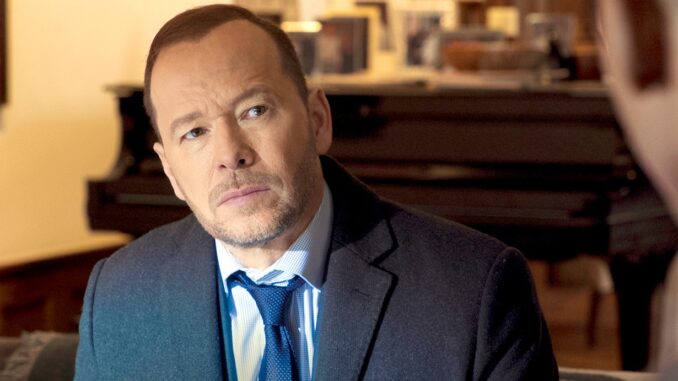
A Television Era Ends — But Not Without Emotion
When a long-running show leaves the airwaves, it feels personal. For fans of Blue Bloods, the cancellation wasn’t just another programming decision—it was the end of a ritual. Sunday nights. Reagan family dinners. Justice served with a side of moral debate.
And for Donnie Wahlberg, the news hit even harder.
“It hurt.” Those two words say everything.
After more than a decade playing Detective Danny Reagan, Wahlberg didn’t just clock out of a job. He said goodbye to a second home.
Let’s unpack what this cancellation really means—for the cast, the crew, and millions of loyal viewers.
The Shockwaves of Blue Bloods’ Cancellation
Why Was Blue Bloods Cancelled?
After 14 seasons, few expected the curtain to drop so abruptly. The series remained steady in ratings and boasted one of television’s most loyal audiences. So what happened?
Industry insiders point to budget constraints, evolving network strategies, and rising production costs. Long-running ensemble casts become expensive. Salaries increase. Contracts grow complex. Networks pivot toward streaming-first models.
Still, none of that softens the blow.
When a show consistently performs, cancellation feels less like logic—and more like loss.
Donnie Wahlberg’s Emotional Response
“It Hurt” — A Simple But Powerful Admission
Wahlberg didn’t sugarcoat his feelings. He openly admitted the cancellation stung.
And honestly? That vulnerability matters.
Actors often deliver polished, PR-friendly statements. But this was raw. Real. Human.
You could almost hear the weight in his voice—like someone closing the door to a house filled with memories.
More Than a Role — It Was Family
The Reagan Bond On and Off Screen
The Reagan family dynamic wasn’t just compelling storytelling. It was built on genuine chemistry.
Wahlberg shared the screen with icons like Tom Selleck, whose portrayal of Frank Reagan anchored the show. Week after week, the cast gathered around that famous dinner table, debating ethics, law, and loyalty.
But here’s the thing—those dinners weren’t just scripted drama.
Over 14 years, those co-stars became real-life family.
When that disappears, it hurts.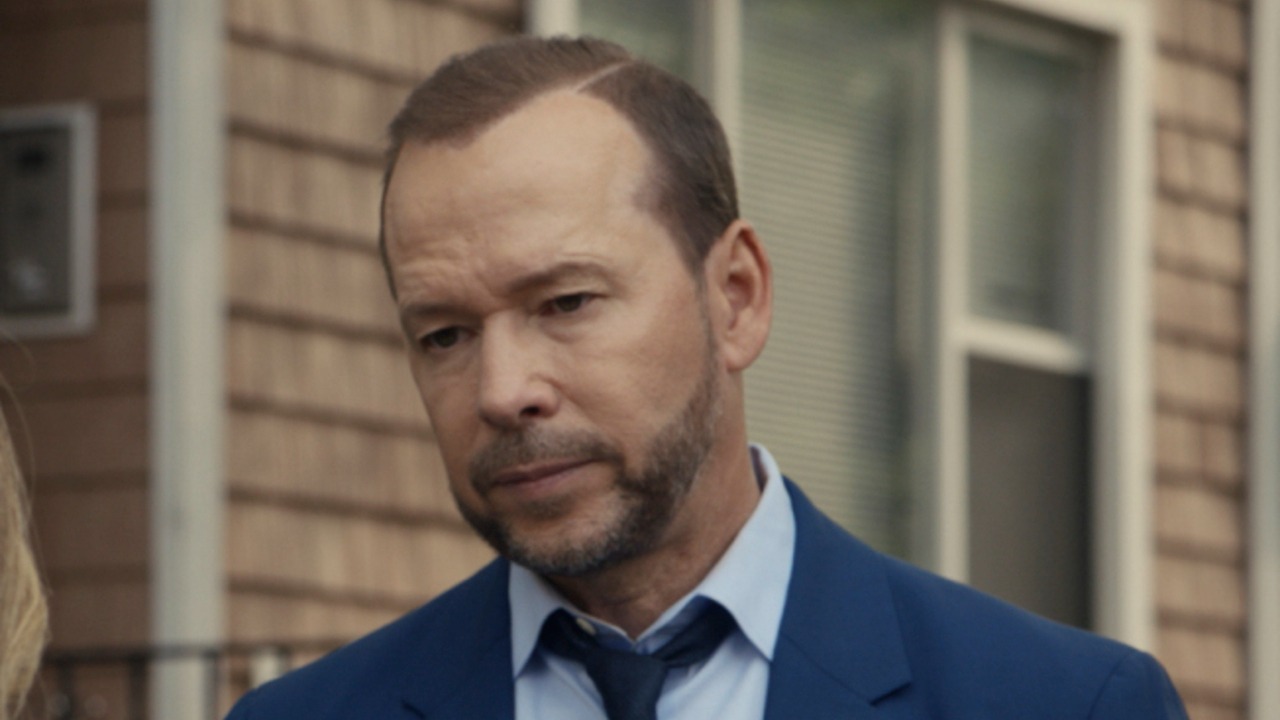
Danny Reagan — A Career-Defining Character
The Evolution of a Fan Favorite
Detective Danny Reagan wasn’t perfect. He was impulsive. Stubborn. Intensely loyal. Sometimes reckless.
But he was real.
Wahlberg brought grit and heart to the role. He balanced action-heavy scenes with emotional depth. Over time, viewers watched Danny grieve, love, parent, and grow.
Playing a character that long changes you. It becomes part of your DNA.
Walking away? That’s not easy.
The Fans’ Reaction Was Immediate
Social Media Erupts
The cancellation announcement triggered a digital outpouring. Petitions surfaced. Hashtags trended. Fans shared clips of their favorite Reagan dinner moments.
Why such a strong reaction?
Because Blue Bloods wasn’t flashy. It wasn’t scandal-driven. It was consistent. Reliable. Like comfort food.
And we don’t like when comfort disappears.
The Legacy of Blue Bloods
A Show That Balanced Crime and Conscience
Unlike many procedural dramas, Blue Bloods centered on morality as much as mystery. Each episode asked difficult questions about justice, ethics, and family responsibility.
In an era of chaotic television, it felt grounded.
That’s rare.
Behind the Scenes — The Cast’s Quiet Strength
Professionalism Until the Final Scene
Despite the emotional toll, the cast remained professional. They honored the show’s legacy. They finished strong.
Wahlberg expressed gratitude repeatedly—for the writers, crew, and especially the fans.
When actors genuinely appreciate their audience, it shows.
Tom Selleck’s Steady Leadership
The Patriarch of the Reagan Family
No discussion of Blue Bloods is complete without acknowledging Tom Selleck. His portrayal of Frank Reagan gave the show gravitas.
Selleck’s presence grounded every episode. His quiet authority mirrored the show’s tone—steady, measured, thoughtful.
Losing the series means losing that weekly performance, too.
Why This Cancellation Feels Different
It Wasn’t Fading — It Was Flourishing
Many shows decline before ending. Ratings drop. Storylines thin out.
That wasn’t the case here.
Blue Bloods remained strong. Which makes the ending feel less like a natural goodbye—and more like a forced farewell.
What’s Next for Donnie Wahlberg?
Reinvention After 14 Seasons
Wahlberg is no stranger to reinvention. From his music days with New Kids on the Block to acting in film and television, he’s adapted before.
But leaving Danny Reagan behind marks a major transition.
Will he return to television quickly? Explore new genres? Produce?
One thing’s certain—fans will follow.
The Power of Long-Running TV Shows
Why We Grow Attached
Fourteen seasons equal fourteen years of habit.
Think about that. A teenager who started watching at 13 is now in their late twenties.
Shows like Blue Bloods become background music to our lives. They play during dinner. During late-night rewatches. During tough weeks when familiarity feels safe.
Ending that rhythm feels personal.
The Economics of Modern Television
Streaming vs. Traditional Networks
Television isn’t what it used to be. Networks face pressure from streaming giants. Production budgets grow. Advertising models shift.
Even beloved shows aren’t immune.
The cancellation isn’t always about performance. Sometimes, it’s about strategy.
Still, strategy doesn’t erase sentiment.
A Final Bow — Honoring the Reagan Legacy
The Importance of Closure
Thankfully, fans will receive a proper ending. That matters.
A rushed cancellation with no resolution would have felt cruel. Instead, the series gets a farewell—one last dinner table scene. One last debate.
One last goodbye.
Why Donnie Wahlberg’s Honesty Resonates
Authenticity in a Polished Industry
When Wahlberg said, “It hurt,” he gave fans permission to feel the same.
No corporate spin. No rehearsed optimism.
Just honesty.
In a world overflowing with curated statements, that vulnerability stands out.
The Cultural Impact of Blue Bloods
A Modern Procedural with Classic Values
Blue Bloods championed themes of service, integrity, and family unity. It avoided sensationalism in favor of steady storytelling.
That approach built trust with viewers.
And trust builds loyalty.
Lessons From an Unexpected Goodbye
Nothing Lasts Forever — Even the Good Stuff
Television, like life, is seasonal.
Shows begin. They flourish. They end.
What matters is the impact they leave behind.
Blue Bloods leaves a legacy of consistency, character depth, and emotional resonance.
That’s not nothing.
Conclusion: A Goodbye That Still Echoes
The cancellation of Blue Bloods marks the end of a defining chapter in network television. For Donnie Wahlberg, it wasn’t just professional—it was personal. Fourteen years of storytelling, growth, and connection don’t disappear quietly.
“It hurt.”
And maybe that’s the most fitting tribute. Because when something ends and it hurts, it means it mattered.
The Reagan family may leave our screens, but their legacy—rooted in loyalty, justice, and love—remains.