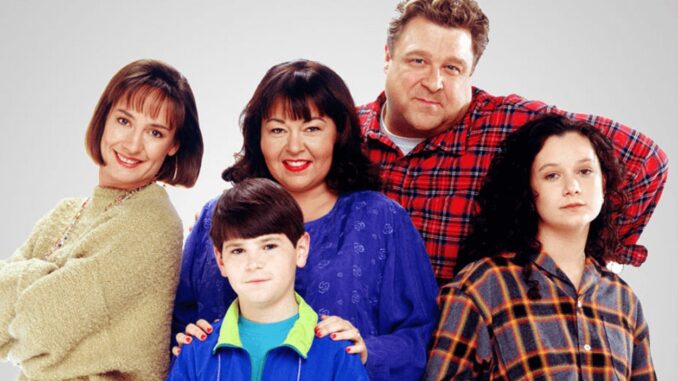
Sitcom pilots usually try to impress audiences with big jokes, polished families, and tidy life lessons. The first episode of Roseanne, however, does something far riskier. Instead of perfection, it offers exhaustion. Instead of ideal parenting, it shows survival mode. And instead of punch lines every few seconds, it builds humor from the ordinary messiness of real life.
Nearly four decades later, “Life and Stuff” remains one of the most effective sitcom pilots ever produced — not because it tries harder to be funny, but because it understands where humor actually comes from.
—
The Comedy of Chaos: A Morning That Feels Too Real
The episode opens inside a noisy kitchen during a rushed weekday morning. Children argue, the phone rings, breakfast is half-prepared, and work deadlines loom. Nothing is staged to look glamorous.Traditional sitcoms of the late 1980s often portrayed middle-class comfort and emotional neatness. Here, clutter becomes part of the storytelling language. The humor emerges from overlapping conversations and constant interruptions rather than scripted one-liners.
Viewers laugh because the situation feels familiar.
Parents trying to get everyone out the door at once recognize the exhaustion immediately. The comedy doesn’t rely on absurdity; it relies on recognition.
—
Darlene’s Classroom Incident: Humor Through Anti-Climax
The main conflict of the episode begins when Roseanne is called to school because her daughter, Darlene Conner, has been barking during class.
The setup sounds serious.
Teachers expect concern. Parents expect rebellion. The audience anticipates a dramatic explanation.
Instead, the truth is simple: she was bored.
This is a classic example of anti-climax comedy. The tension builds toward something alarming, only to collapse into a reason that is hilariously mundane. Children do strange things not because they are deeply troubled, but because they are children.
The joke works because the adults treat the situation with gravity while the cause remains almost absurdly ordinary.
—
Marriage as Banter: Sarcasm as Emotional Language
Another major source of humor in the pilot comes from the relationship between Roseanne and her husband, Dan Conner.
They do not communicate through romantic speeches or sentimental moments. Instead, they tease, interrupt, and challenge each other constantly.
Arguments about chores, exhaustion, and responsibility become comedic exchanges filled with sarcasm.
Yet underneath the jokes lies partnership.
Their disagreements never feel cruel. They resemble conversations between two people who understand each other completely — people too tired for politeness but too committed to walk away.
The humor comes from honesty. Many couples recognize that affection often sounds less like poetry and more like playful complaining.
—
Jackie and the Gentle Satire of Self-Help Culture
A smaller but memorable subplot involves Jackie’s enthusiasm for positive visualization techniques. She believes that imagining success can reshape reality.
Placed alongside financial stress and parenting chaos, this optimism becomes quietly funny.
The episode never mocks her directly. Instead, it highlights a universal truth: when life becomes overwhelming, people reach for anything that promises control.
The contrast between motivational language and everyday struggle creates situational irony. Viewers laugh not at Jackie, but at the gap between hope and reality — a gap most adults know well.
—
Why the Pilot Still Resonates Today
Modern audiences searching for “relatable sitcoms” or “realistic family comedy” often rediscover this episode for a reason.
Its humor is not tied to trends or cultural references that age quickly. It is rooted in:
financial stress,
parenting uncertainty,
sibling rivalry,
and the daily negotiation of marriage.
These experiences do not expire.
Rather than presenting an idealized version of family life, the pilot acknowledges that love frequently looks messy, loud, and imperfect.
And that honesty is what makes it funny.