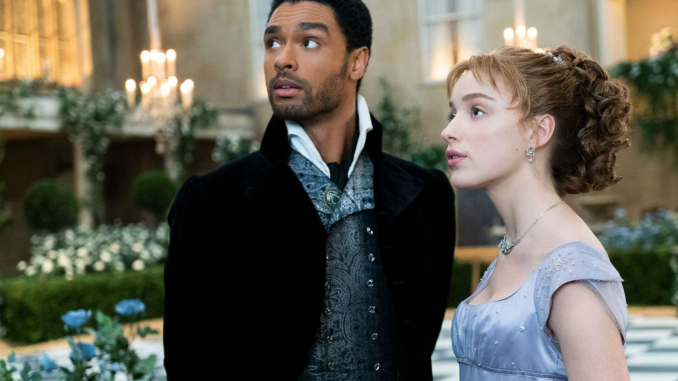
Bridgerton is truly the quintessential British version of “Gossip Girl,” with a cast of lovely young ladies and gentlemen that are increasingly pleasing to the eye.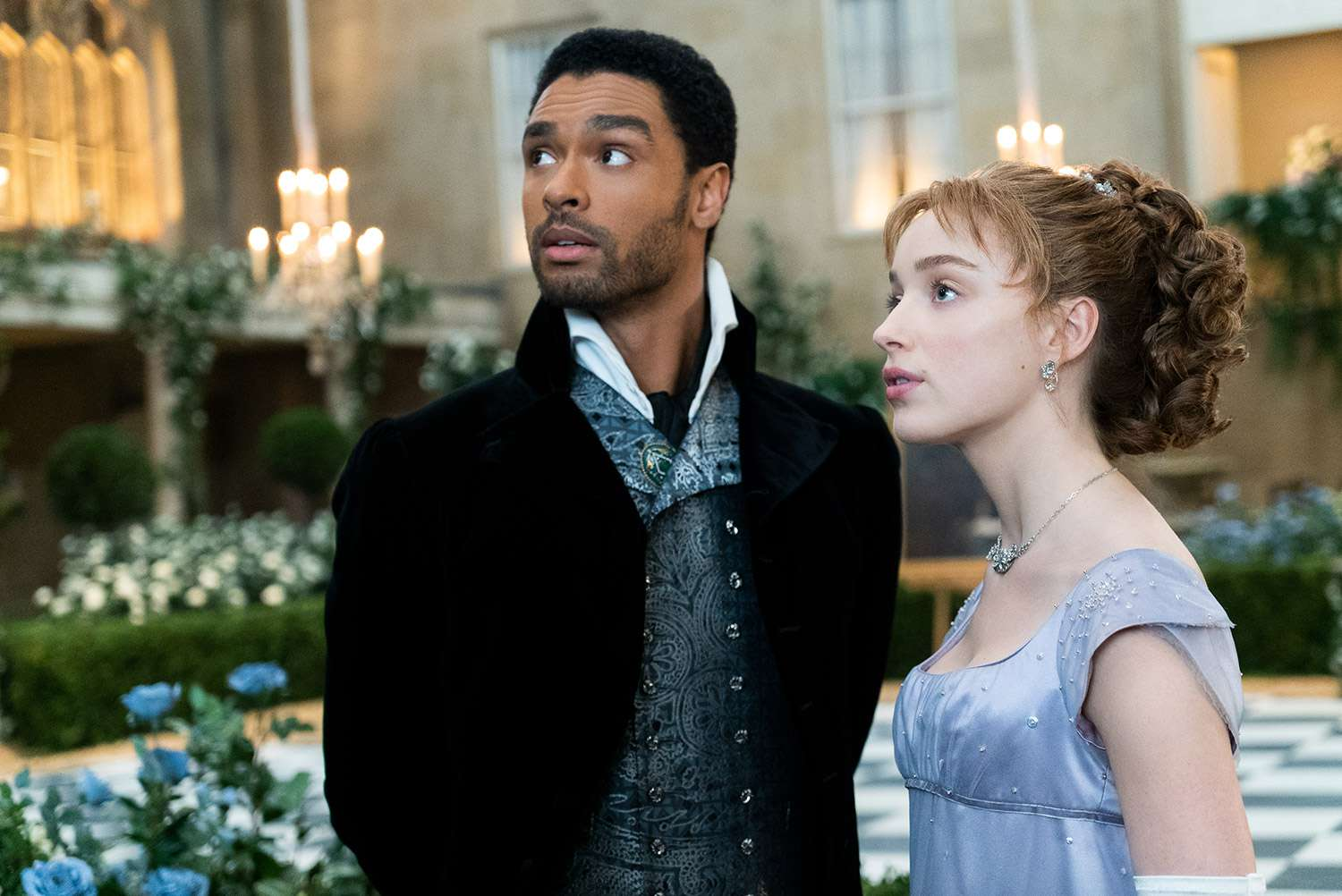
As Netflix’s year-end blockbuster, Bridgerton garnered significant media attention. Living up to expectations, Bridgerton achieved a 95% rating on Rotten Tomatoes and received rave reviews from many general audiences. The series has been likened to a period drama version of Gossip Girl, with its engaging and humorous storyline.
A romance novel with a classic motif, but not cheesy at all!
Bridgerton is adapted from the novel of the same name by Julia Quinn, a world-renowned American author of historical romances. Set during the Regency period, the film tells the love stories of the British upper class. In it, the eldest daughter of the family, Daphne (Phoebe Dynevor), has reached marriageable age and must find her ideal husband. To enhance her own value, Daphne pretends to date the Duke of Hastings (Regé-Jean Page), the most desirable man in the aristocracy. Their every move is recounted in tabloid newspapers by an anonymous author known as the Whistledown Lady.
Bridgerton shares similarities with popular Western romance dramas, where an innocent girl becomes entangled in a love affair with a seasoned aristocrat. However, the series avoids being cheesy or outdated. Bridgerton features a dramatic “high-society battle,” witty and humorous conversations, and a cast of sharp, charismatic characters. Through Bridgerton, viewers see that before “debuting” in the marriage market, girls must learn many sophisticated “skills” comparable to those of K-Pop idols. Furthermore, the mysterious narrator – the Whistledown Lady – sparks just as much curiosity as Gossip Girl did.
Cleverly incorporating feminist messages, subtly encroaching on current events while maintaining a charming style.
A Netflix film wouldn’t be a Netflix film if it didn’t touch on some social issues. In Bridgerton, it’s easy to see that the producers have “rewritten” British history by including several characters of color among the aristocracy. But feminism is the central element in Bridgerton. Each female character in Bridgerton contributes in some way to conveying this message.
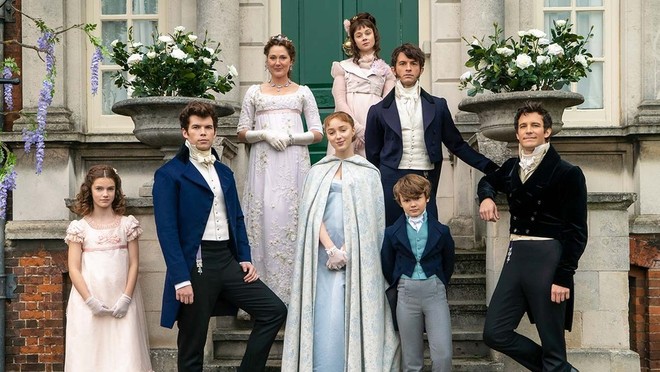
The female protagonist, Daphne, is the quintessential lady of her time: beautiful, gentle, pure, and well-mannered. However, she seeks true love rather than marrying a man she doesn’t love. Violet Bridgerton, the mother of the Bridgerton siblings, is a woman who is outwardly gentle but inwardly strong, a powerful leader of the family. Daphne’s younger sister, Eloise Bridgerton, is a progressive woman who believes that women are not judged by the quality of their husbands. But unlike some films that are forced or overly dramatic, the female characters in Bridgerton are pleasant, intelligent, lovable, and behave appropriately for their era.
A breathtaking setting with thousands of magnificent costumes.
If you appreciate beauty, you can’t miss Bridgerton! The film’s visuals are stunning in every detail, perfectly recreating the atmosphere of the 1800s with its magnificent palaces, lavish balls, and elegant banquets. The costumes of all the characters, male and female, young and old, are beautifully designed and eye-catching, with intricate embroidery.

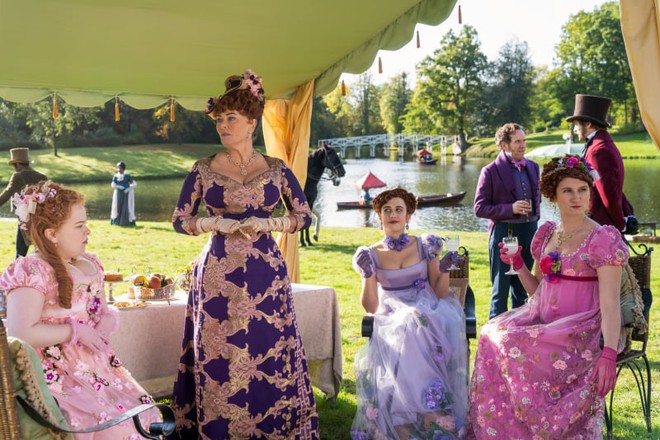
According to Indiewire, 230 seamstresses created approximately 7,500 costumes and accessories for the film, from hats to cloaks and coats. The lead actress alone had over 100 dresses. From the very first episode, when the young aristocratic women arrive at the Queen’s party, you’ll be amazed by the film’s grandeur. Rest assured, the subsequent episodes will continue to receive the same massive investment.