
Review: ‘Being Gordon Ramsay’ Shows the Human Ingredients of The Iconic Chef
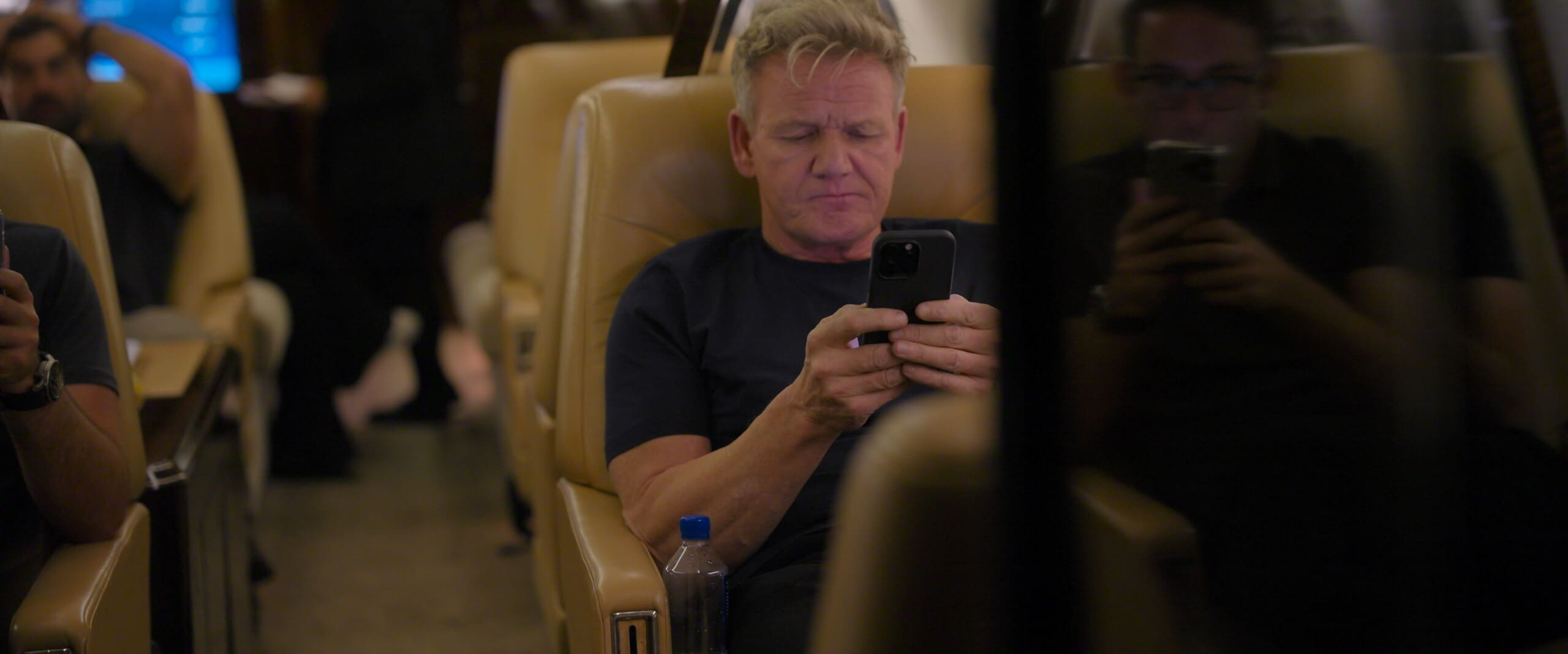
Fans of Gordon Ramsay are in luck with his newest series Being Gordon Ramsay now streaming on Netflix. The show offers an intimate, behind-the-scenes look at one of the culinary world’s most recognizable figures as he prepares for the opening of his newest restaurants at the iconic Bishopsgate address in London.
The series is structured like a sandwich. The two “slices of bread” frame each episode with moments from Ramsay’s home life, while the “filling” delivers fast-paced, high-pressure scenes from the restaurant build-out. It’s a deliberate contrast: calm domestic scenes bathed in warm natural light and cheerful music give way to the intensity of construction delays, menu tastings, staffing decisions and the relentless ticking clock before opening night. This pattern not only keeps the pacing dynamic but also reinforces the dual identity Ramsay constantly juggles – global restaurateur and family man.
The opening episode introduces viewers to Ramsay at home with his wife, Tana, and their younger sons, Oscar and Jesse. These scenes humanize a figure often known for his fiery temper on shows like Hell’s Kitchen. Throughout the series, audiences also meet his older children. Holly is preparing for her upcoming wedding, marking a milestone that highlights the passage of time and Ramsay’s growing awareness of how quickly family life moves. Meanwhile, Tilly is carving her own culinary path by attending culinary school, subtly positioning herself as part of the next generation of the Ramsay legacy. These family storylines add emotional stakes to the business narrative unfolding in the city.
At its core, however, the show meticulously documents the creation of a high-end dining experience from the ground up. Viewers are given rare access to the strategic planning behind a luxury restaurant. From conceptualizing the menu to sourcing ingredients, from testing dishes to curating wine pairings, every detail is treated as a critical component of the brand. The series explores how décor is selected to match the culinary vision, how seating layouts are designed to maximize both intimacy and efficiency and how service flow is choreographed to feel seamless. Even marketing strategies and media rollouts are shown, revealing that the launch of a restaurant at this scale is as much about storytelling and image as it is about food.
Staffing becomes another focal point. The selection of head chefs and kitchen teams is portrayed as a high-stakes decision, emphasizing loyalty, talent and the ability to withstand pressure. Ramsay is shown mentoring, critiquing and sometimes pushing his staff to their limits. These scenes remind viewers that excellence in fine dining is built on discipline and trust, not just creativity.
What makes Being Gordon Ramsay especially compelling is its exploration of cost, not only financial, but personal. Ramsay openly reflects on how his relentless ambition affected his role as a father. He admits that during the early years of building his empire, he was often absent from his older children’s lives. Now, even with younger children at home, the demands of maintaining and expanding his global brand continue to pull him away. This tension runs parallel to the restaurant storyline, suggesting that success always comes with trade-offs.