Ranking the Major Antagonists of The Sopranos
Why Villains Matter in The Sopranos
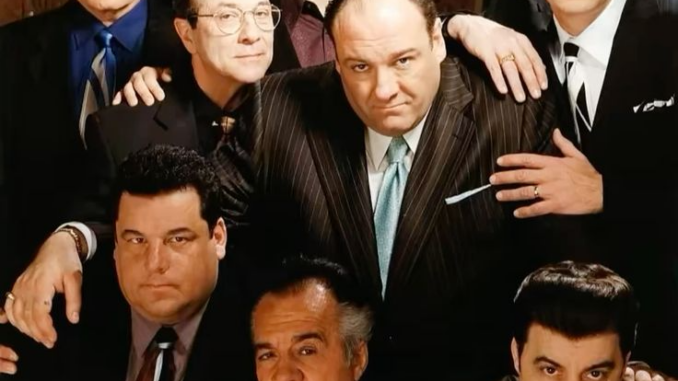
Few television series created villains as unforgettable as The Sopranos. While the story centers on mob boss Tony Soprano—played by James Gandolfini—the show’s tension comes from the enemies who constantly challenge his power.
Unlike traditional crime dramas, The Sopranos doesn’t rely on simple good-versus-evil storytelling. In fact, many antagonists are just as complex as Tony himself. Some are brutal, others are calculating, and a few are simply unpredictable.
So who were the most formidable threats in the series? Let’s rank the major antagonists who made Tony’s life—and business—far more dangerous.
6. Richie Aprile — The Unpredictable Loose Cannon
Portrayed by David Proval, Richie Aprile stands out as one of the most volatile characters in the show.
Why Richie Was Dangerous
Richie returned from prison expecting respect and power. But the world had changed. Tony was now the boss, and Richie struggled to accept the new order.
A Threat from Within
What made Richie dangerous wasn’t just his violence—it was his inability to adapt. His constant challenges to Tony’s leadership turned him into a ticking time bomb inside the family.
5. Ralph Cifaretto — The Most Disturbing Villain
Played by Joe Pantoliano, Ralph Cifaretto might be the most disturbing character in the series.
Cruelty Without Limits
Ralph was clever, funny, and wildly profitable for the mob—but he also displayed shocking cruelty. His violent temper and reckless behavior constantly pushed Tony to the edge.
Why Tony Couldn’t Trust Him
Despite making the family a lot of money, Ralph’s unpredictability made him impossible to control. His storyline delivered some of the darkest moments in the series.
4. Johnny Sack — The Strategic Rival
Vincent Curatola portrayed Johnny Sack, a powerful figure in the New York crime family.
A Diplomatic but Dangerous Enemy
Johnny Sack rarely acted impulsively. Instead, he preferred strategy and influence.
When conflicts emerged between the New Jersey crew and New York, Johnny often stood at the center of the power struggle.
A Battle of Power
His rivalry with Tony wasn’t always open warfare—but the tension between them shaped several key storylines.
3. Livia Soprano — The Psychological Villain
One of the most chilling antagonists in the series is Tony’s own mother, Livia Soprano, portrayed by Nancy Marchand.
Emotional Manipulation
Livia doesn’t use violence. Instead, she manipulates people emotionally and psychologically.
Her ability to undermine Tony from within his own family makes her one of the most unsettling characters in the show.
The Root of Tony’s Trauma
Many of Tony’s psychological struggles trace back to his relationship with his mother, making her influence far more powerful than any rival mobster.
2. Uncle Junior — Family Turned Enemy
Dominic Chianese played Corrado “Junior” Soprano, Tony’s uncle and early rival for control of the crime family.
A Power Struggle at the Top
Junior initially believes he deserves the top position in the organization. His resentment toward Tony fuels one of the series’ earliest conflicts.
A Complex Relationship
Unlike other antagonists, Junior is both enemy and family. Their complicated relationship adds emotional weight to the show’s first seasons.
1. Phil Leotardo — Tony’s Most Dangerous Enemy
At the top of the list stands Phil Leotardo, portrayed by Frank Vincent.
A Ruthless Leader
Phil becomes the ultimate threat to Tony’s power during the final seasons.
An All-Out War
His leadership of the New York crime family pushes tensions with New Jersey to the breaking point. The conflict between Phil and Tony eventually erupts into open violence.
Why Phil Tops the List
Unlike other antagonists, Phil combines personal hatred, strategic power, and ruthless determination. By the end of the series, he represents the greatest external threat Tony has ever faced.
What Makes Sopranos Villains So Memorable
The antagonists in The Sopranos feel real because they’re layered.
Some are driven by pride. Others by greed. A few by emotional wounds that never healed.
And that complexity is exactly what makes the series so compelling.
Every villain challenges Tony in a different way—psychologically, politically, or physically.
Conclusion
More than two decades after its debut, The Sopranos remains one of the most influential dramas ever produced. A major reason for its success lies in its unforgettable antagonists.
Characters like Phil Leotardo, Livia Soprano, and Richie Aprile didn’t just oppose Tony Soprano—they helped shape the entire narrative.
Without them, the story wouldn’t have the same tension, danger, or emotional depth. In many ways, the villains of The Sopranos are just as iconic as its hero.
FAQs
1. Who is the main antagonist in The Sopranos?
Several characters serve as antagonists throughout the series, but Phil Leotardo is often considered the most dangerous rival to Tony Soprano.
2. Why is Livia Soprano considered a villain?
Her emotional manipulation and toxic relationship with Tony create psychological conflict that drives much of the early story.
3. Which antagonist caused the biggest conflict in the final seasons?
Phil Leotardo’s leadership of the New York crime family led to a violent war with Tony’s crew.
4. Who played Ralph Cifaretto in The Sopranos?
Joe Pantoliano portrayed the character.
5. Why are Sopranos villains so memorable?
They are complex characters with realistic motivations, making them feel authentic rather than purely evil.