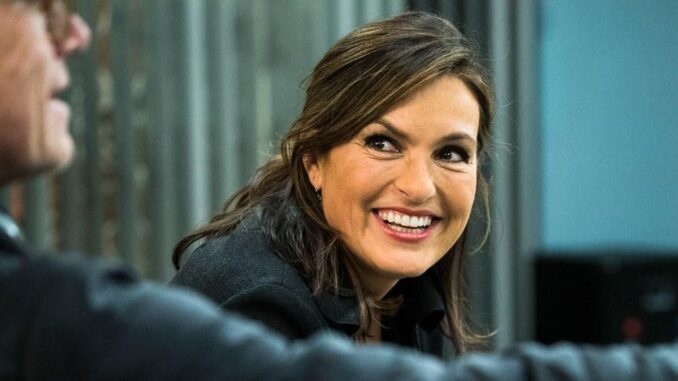
Every year, Time highlights a group of influential figures whose work has shaped culture, inspired communities, and driven meaningful change. The magazine’s Women of the Year recognition celebrates leaders across industries—from activism and politics to entertainment and science.
In a year defined by conversations about representation, empathy, and social impact, two names stood out in Hollywood: Mariska Hargitay and Sheryl Lee Ralph.
Both women have spent decades in the entertainment industry, but their influence extends far beyond the screen. Through powerful performances, advocacy work, and unwavering commitment to social causes, they have become role models for millions.
Their recognition as Time’s Women of the Year isn’t simply about awards or celebrity—it’s about impact.
Mariska Hargitay: Turning Television Fame into Real-World Advocacy
For more than two decades, Mariska Hargitay has been a defining face of one of television’s most enduring crime dramas: Law & Order: Special Victims Unit.
Her portrayal of Captain Olivia Benson—a compassionate yet relentless advocate for victims—has made her one of the most recognizable characters in television history. But what makes Hargitay’s legacy remarkable is how she transformed fiction into action.
From Script to Social Impact
When Law & Order: SVU premiered in 1999, few people expected it to become a cultural institution. The series tackled difficult topics—sexual assault, abuse, and trauma—with an emotional depth rarely seen in network television.
As the show gained popularity, viewers began writing to Hargitay personally, sharing their own stories of survival.
Those letters changed her life.
In 2004, she founded the Joyful Heart Foundation, an organization dedicated to supporting survivors of sexual violence, domestic abuse, and child abuse.
Over the years, the foundation has:
-
Funded survivor support programs
-
Advocated for reforms in the handling of rape kits
-
Educated communities about trauma and healing
-
Partnered with law enforcement and policymakers
In interviews, Hargitay has often described the moment she realized her role carried real-world responsibility.
“Playing Olivia Benson opened my eyes to stories that people were afraid to tell. Once I heard them, I knew I couldn’t turn away.”
Why Time Honored Her
According to Time, Hargitay represents a unique intersection of art, empathy, and activism.
Her work helped spark national conversations about how survivors are treated by the justice system. The End the Backlog initiative, supported by the Joyful Heart Foundation, has helped test thousands of unprocessed rape kits across the United States.
But perhaps her greatest achievement lies in visibility—creating a space where survivors feel seen and believed.
In a recent speech at a humanitarian summit, Hargitay said:
“Stories change culture. When people feel heard, they begin to heal—and when they heal, they begin to change the world.”
For Time, that combination of storytelling and advocacy made her a natural choice for the Women of the Year list.
Sheryl Lee Ralph: A Voice for Representation and Generational Change
If Mariska Hargitay’s story is about turning television into activism, Sheryl Lee Ralph’s journey is about perseverance, representation, and redefining success after decades in the spotlight.
Today, many younger audiences recognize her as the wise and warm teacher Barbara Howard on the hit sitcom Abbott Elementary.
But Ralph’s career stretches back more than 40 years, spanning Broadway, film, music, and television.
Breaking Barriers in Hollywood
Ralph first gained widespread recognition in the Broadway musical Dreamgirls in the early 1980s, where her powerful voice and stage presence captured national attention.
Yet despite her talent, Hollywood roles for Black actresses—especially women over 40—were historically limited.
Ralph persisted.
She appeared in dozens of projects, mentored younger performers, and became a strong advocate for diversity and representation in media.
When Abbott Elementary premiered, audiences instantly connected with her character: a veteran teacher who blends humor, wisdom, and old-school discipline.
Her performance earned widespread praise and eventually an Emmy Award—making her one of the few Black actresses to win in that category.
A Cultural Moment
What made Ralph’s recognition particularly meaningful was the way audiences responded to her authenticity.
Her acceptance speech at the Emmys quickly went viral. Instead of delivering a conventional thank-you speech, she sang a powerful line:
“I am an endangered species, but I sing no victim’s song.”
The moment resonated across social media, inspiring conversations about ageism, representation, and resilience in the entertainment industry.
Advocacy Beyond the Stage
Ralph has also been deeply involved in activism.
For decades, she has championed HIV/AIDS awareness, particularly in Caribbean and African-American communities.
Her nonprofit initiative and community outreach programs have helped raise millions of dollars for education and healthcare initiatives.
For Time, Ralph embodies a different but equally powerful form of leadership: visibility through longevity.
She proves that careers—and influence—don’t have expiration dates.
Why Their Stories Matter Now
Hollywood has undergone significant change in recent years. Conversations around gender equality, racial representation, and social justice have reshaped how audiences view entertainment.
Figures like Hargitay and Ralph represent a shift in what success looks like.
Instead of simply celebrating fame or awards, their recognition highlights something deeper:
Impact beyond entertainment.
Both women use storytelling as a platform for empathy.
-
Hargitay shines a light on survivors of violence.
-
Ralph champions representation and dignity for Black women in media.
Their influence reaches beyond television screens and award shows.
It reaches communities.
The Power of Representation in Media
One reason their recognition resonated so widely is because representation matters.
For decades, television often portrayed narrow versions of womanhood.
Characters like Olivia Benson and Barbara Howard helped expand that narrative.
They show women who are:
-
Compassionate yet strong
-
Wise yet humorous
-
Vulnerable yet resilient
And importantly, they show women leading.
Young viewers who watch these characters today grow up seeing leadership modeled by women.
That cultural shift may be one of the most lasting legacies of their careers.
A New Definition of Celebrity Influence
In the past, celebrity influence often centered on box-office numbers or television ratings.
Today, audiences expect more.
They look for authenticity, empathy, and social responsibility.
Hargitay and Ralph represent this new model of influence.
Both have built careers where art and advocacy reinforce each other.
Their stories remind us that entertainment can be more than escapism—it can be a catalyst for change.
Looking Ahead
As television continues to evolve with streaming platforms and global audiences, figures like Hargitay and Ralph demonstrate the enduring power of storytelling.
Neither actress shows signs of slowing down.
-
Law & Order: SVU remains one of the longest-running dramas in television history.
-
Abbott Elementary continues to grow in popularity and critical acclaim.
But their greatest legacy may not be their shows.
It may be the communities they inspire.
Conclusion
Being named Time’s Women of the Year is more than an honor—it’s a recognition of leadership, influence, and courage.
For Mariska Hargitay, the title reflects decades spent advocating for survivors and using television to amplify unheard voices.
For Sheryl Lee Ralph, it celebrates perseverance, representation, and the power of authenticity.
Together, they represent a broader truth about storytelling:
When artists use their platforms with purpose, they can reshape culture.
And sometimes, they can change lives.