
The Real Reason ‘Boston Blue’ Wasn’t Filmed in Boston
Television has a way of transporting us to places we’ve never been. One moment you’re sitting on your couch, and the next you’re walking the streets of Boston, watching police lights flash across historic brownstones. That’s the magic of modern TV production.
But here’s a surprising twist: many shows set in Boston aren’t actually filmed there. The same goes for Boston Blue. Despite the name and the unmistakable Boston atmosphere, the series wasn’t filmed in the city it portrays.
So what’s really going on behind the scenes? Why would a show rooted in Boston choose to film somewhere else?
Let’s unpack the real reasons—from budget realities to production logistics—and discover the fascinating story behind where Boston Blue actually comes to life.
Why Filming Locations Matter for TV Shows
Before diving into Boston Blue, it helps to understand something about the TV industry: filming locations are rarely what they seem.
Hollywood productions frequently shoot in cities that can double for somewhere else. A street in Canada might become New York. A quiet neighborhood might suddenly transform into Chicago.
Why? Because filming is about far more than scenery.
Production teams consider:
-
Costs
-
Tax incentives
-
Crew availability
-
Studio infrastructure
-
Weather
-
Permits and logistics
In other words, the perfect filming location isn’t always the most authentic one.
The Budget Factor: Production Costs Drive Decisions
Let’s start with the elephant in the room: money.
Filming in a major U.S. city like Boston can be extremely expensive. Every scene filmed on location requires:
-
permits
-
security
-
street closures
-
city coordination
-
additional insurance
These expenses add up quickly.
Productions often find it far more economical to film somewhere with lower operational costs, where studios and municipalities are eager to host major TV projects.
In simple terms, filming elsewhere can save millions of dollars over a season.
And in television, budgets matter.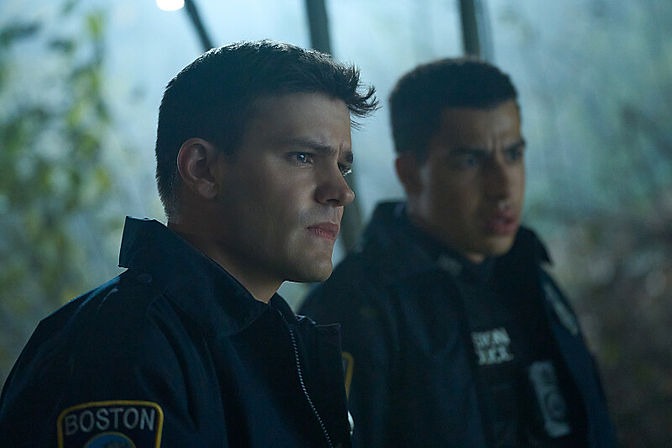
Tax Incentives: The Hidden Engine of TV Production
Here’s something many fans don’t realize: tax incentives shape where shows are filmed.
Many regions offer generous tax credits to attract film and television productions. These incentives can cover 20–40% of production costs.
Imagine producing a show that costs $100 million. A 30% tax credit could return $30 million to the studio.
That’s not pocket change.
Because of these incentives, many productions move to places where governments actively support the film industry.
This financial reality often outweighs location authenticity.
Studio Infrastructure Plays a Huge Role
Another big factor is studio space.
Filming a modern television series isn’t just about outdoor locations. Much of the action happens inside sound stages.
These controlled environments allow filmmakers to:
-
build detailed sets
-
control lighting
-
avoid weather disruptions
-
shoot year-round
Cities with large studio complexes provide huge advantages.
Boston has some production facilities, but compared to major filming hubs, the infrastructure is more limited.
That makes other locations far more practical for large-scale productions.
Weather and Filming Conditions
Boston is famous for its charm—but also for its unpredictable weather.
Winters can be harsh, with snowstorms and freezing temperatures that can halt production. Summers can be humid and crowded with tourists.
For TV schedules that run on tight timelines, weather disruptions can be costly.
Producers often choose locations with more predictable conditions, allowing them to maintain a consistent filming schedule.
Consistency keeps productions on budget and on track.
Cities That Often Double for Boston
You might be surprised to learn that several cities frequently stand in for Boston on screen.
These locations offer similar architecture and urban character.
Common stand-ins include:
-
Toronto
-
Vancouver
-
New York
-
Chicago
These cities provide versatile neighborhoods that can easily mimic Boston’s historic streets.
Add the right signage, accents, and camera angles, and viewers rarely notice the difference.
Hollywood has been doing this trick for decades.
How Production Design Creates “Boston” Anywhere
Think about the last time you watched a city-based TV show.
Did you recognize every landmark?
Probably not.
That’s because production designers are masters of illusion.
They recreate a city’s identity through:
-
street signs
-
police cars
-
building facades
-
local branding
-
wardrobe and accents
Even a generic street can feel like Boston once it’s dressed with the right details.
It’s like theater on a grand scale—the set convinces you that you’re somewhere else entirely.
Why Producers Still Use Boston Establishing Shots
Here’s an interesting detail: even when shows aren’t filmed in Boston, they often include real Boston footage.
These are called establishing shots.
You’ve seen them before:
-
skyline views
-
aerial shots of neighborhoods
-
famous landmarks
-
harbor scenes
These clips anchor the show’s setting in viewers’ minds.
Once that visual cue is established, the audience accepts the rest of the story as taking place there.
It’s a clever storytelling shortcut.
Logistical Challenges of Filming in Boston
Filming in a busy historic city comes with unique hurdles.
Boston’s narrow streets, heavy traffic, and dense neighborhoods make large productions complicated.
Consider what filming requires:
-
closing roads
-
controlling crowds
-
parking production trucks
-
staging equipment
All of this can disrupt daily life.
Cities that regularly host productions often have systems in place to handle these demands smoothly.
That’s another reason producers sometimes choose alternate locations.
The Role of Local Film Industries
Another major factor is the local workforce.
Film and television productions require hundreds of skilled professionals:
-
camera operators
-
lighting technicians
-
set builders
-
costume designers
-
stunt coordinators
Cities with established film industries already have these workers available.
That means productions can hire locally instead of transporting large crews from across the country.
It saves money and simplifies logistics.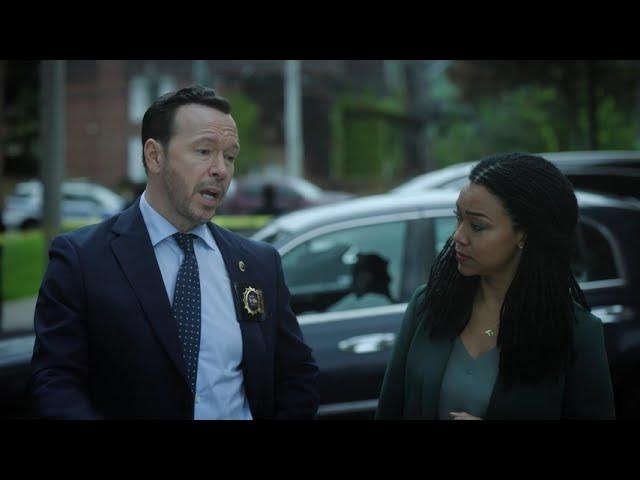
Audience Perception: Does It Really Matter?
Interestingly, most viewers don’t notice where a show is filmed.
As long as the story feels authentic, the illusion works.
Great writing, acting, and directing matter far more than the exact street where a scene was shot.
If the characters feel real and the story pulls you in, the setting becomes believable.
And that’s ultimately what television storytelling is all about.
Other Famous Shows That Weren’t Filmed in Their Cities
Boston Blue isn’t alone in this strategy.
Many iconic series have filmed far from their fictional locations.
Examples include:
-
shows set in New York but filmed in Canada
-
series portraying Chicago filmed in Los Angeles
-
productions set in Washington D.C. shot in Atlanta
It’s one of the entertainment industry’s oldest traditions.
The magic of television often happens far from where the story is set.
The Creative Advantage of Flexible Locations
Filming outside Boston can actually give creators more creative freedom.
With fewer restrictions, productions can:
-
build larger sets
-
stage complex action scenes
-
film longer sequences without interruption
Imagine trying to shoot a dramatic police chase through real downtown traffic.
It’s much easier to stage that scene in a location designed for filming.
Flexibility often leads to better storytelling.
Will Future Seasons Film in Boston?
Fans often hope their favorite shows will eventually film in the cities they represent.
It’s possible—but not guaranteed.
Studios constantly evaluate production costs, incentives, and logistics when deciding where to shoot.
If conditions change—such as new tax incentives or expanded studio facilities—future seasons might move closer to Boston.
Until then, the show will continue creating its version of the city wherever it films.
Why the Illusion Still Works
Despite not filming in Boston, Boston Blue still captures the spirit of the city.
That’s because storytelling isn’t about geography—it’s about atmosphere.
Through dialogue, character backgrounds, accents, and visual cues, the show recreates the energy of Boston’s neighborhoods and culture.
And for most viewers, that’s more than enough.
After all, television has always been a little bit of magic.
Conclusion
The truth behind why Boston Blue wasn’t filmed in Boston comes down to a blend of practical realities: budget constraints, tax incentives, studio infrastructure, weather conditions, and logistical challenges.
While it might seem surprising at first, this approach is incredibly common across the television industry. Productions routinely choose locations that offer the best balance of cost, convenience, and creative flexibility.
In the end, what matters most isn’t the exact street where the camera rolls—it’s the story unfolding on screen. And if the characters, drama, and atmosphere feel authentic, viewers are happy to believe they’re walking the streets of Boston… even if the cameras are rolling hundreds of miles away.