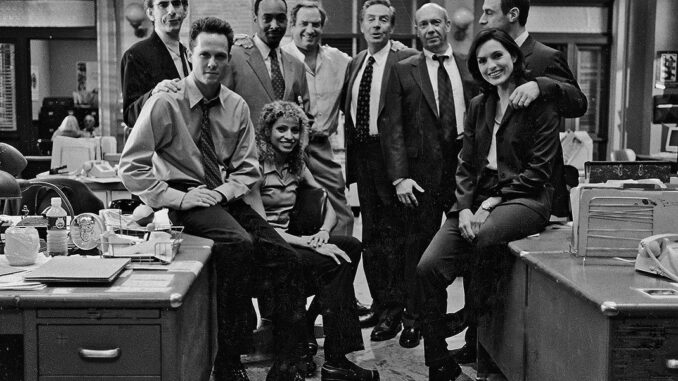
For more than two decades, Law & Order: Special Victims Unit has built its reputation on telling stories that feel ripped from today’s headlines. Season 27, Episode 15 — titled “Thirsty” — continues that tradition with an unsettling case centered on online validation, viral fame, and the dangerous psychology of being “seen.”
In an episode that blends modern internet culture with classic procedural storytelling, “Thirsty” asks a simple but disturbing question: How far will someone go just to be noticed?
With a tense investigation led by Olivia Benson and a standout emotional performance from Mariska Hargitay, the episode explores how social media can amplify desperation, distort reality, and ultimately fuel crimes that are as psychological as they are physical.
Below is a full review of the episode — from its plot and performances to the themes that make “Thirsty” one of the most unsettling episodes of the season.
A Case Born on the Internet
“Thirsty” opens with a deceptively ordinary scene: a late-night livestream hosted by a rising lifestyle influencer known for documenting every detail of her life.
Her brand is built on authenticity — raw confessionals, emotional vulnerability, and an audience that feels like a community.
But within minutes, the episode takes a dark turn.
During the livestream, viewers notice something strange in the background of her apartment. At first, it seems like a technical glitch. A shadow. A movement.
Then the stream suddenly cuts out.
The next morning, her concerned followers flood social media with theories, screen recordings, and speculation. By the time the NYPD becomes involved, the story has already gone viral.
This opening brilliantly captures how modern crime stories often unfold online before police ever arrive.
The Special Victims Unit is called in when investigators discover disturbing messages buried within the influencer’s direct messages — messages that suggest someone had become dangerously obsessed with her.
What begins as a missing person case quickly spirals into something far more complicated.
A Villain Fueled by Validation
The episode’s title, “Thirsty,” works on multiple levels.
On the surface, it refers to the slang term for someone desperate for attention.
But the deeper meaning becomes clear as the investigation unfolds: everyone in this story is thirsty for something.
The influencer wants fame.
Her followers want connection.
And the suspect? He wants recognition — even if it means committing a crime to get it.
The writers craft the antagonist not as a cartoon villain, but as someone shaped by loneliness and digital addiction.
He believes he has a “relationship” with the influencer because he watched every stream, every video, every emotional confession.
To him, the connection feels real.
To her, he was just another username.
This uncomfortable dynamic highlights one of the episode’s strongest themes: parasocial relationships — the one-sided emotional bonds audiences develop with online personalities.
Olivia Benson at the Emotional Center
One of the reasons SVU has lasted so long is its emotional grounding, and “Thirsty” reminds viewers why Olivia Benson remains one of television’s most compelling characters.
Throughout the investigation, Benson repeatedly emphasizes the human cost of the case.
While other detectives focus on digital evidence, algorithms, and data trails, Benson keeps returning to the victim herself.
Who was she offline?
What pressures came with living publicly?
Did fame create vulnerability?
These questions add layers to the story that elevate it beyond a typical procedural.
Mariska Hargitay delivers several quiet but powerful scenes in which Benson reflects on how society often blames victims — especially women who share their lives publicly.
In one particularly memorable moment, Benson pushes back against a detective who implies the influencer was “asking for trouble” by posting so much online.
Her response is sharp and clear:
Victims are not responsible for the crimes committed against them.
It’s a moment that perfectly captures the moral core of SVU.
Technology as Both Tool and Trap
Another strength of “Thirsty” is how realistically it portrays modern technology.
Rather than falling into the common TV trap of unrealistic hacking or magical digital tools, the episode shows investigators piecing together clues from:
-
Archived livestream footage
-
Location-tagged photos
-
Algorithmic recommendations
-
Private message histories
The digital trail reveals a disturbing pattern.
The suspect didn’t just watch the influencer’s content.
He studied it.
He mapped her routines, tracked her locations, and interpreted casual comments as secret messages meant specifically for him.
The episode effectively shows how the internet can blur the line between observation and obsession.
For someone already struggling with isolation, the illusion of connection can become dangerously powerful.
A Mid-Episode Twist That Changes Everything
About halfway through the episode, “Thirsty” introduces a twist that shifts the narrative in a surprising direction.
Evidence surfaces suggesting that the influencer may have been planning a major rebrand — one that involved exposing a group of toxic online followers who had been harassing her for months.
Suddenly, the investigation expands beyond one obsessed fan.
Now the detectives must consider the possibility of multiple suspects, each with their own motivations.
Was the crime committed by someone who loved her?
Or someone who hated her?
This narrative shift injects new tension into the episode and forces the detectives to reconsider everything they thought they knew.
The Episode’s Most Disturbing Message
What makes “Thirsty” linger after the credits roll is its larger commentary on internet culture.
The episode never demonizes social media outright.
Instead, it shows how the system rewards extreme behavior.
The influencer gains followers when she shares more intimate details of her life.
Fans gain attention when they post more dramatic reactions.
Even the suspect becomes briefly famous once the crime hits the news.
In other words, attention itself becomes currency.
And when attention is the reward, some people will chase it at any cost.
The episode subtly asks whether society has become addicted to watching — and being watched.
Mariska Hargitay’s Quiet Power
While “Thirsty” includes suspenseful moments and investigative twists, its emotional weight ultimately rests on Mariska Hargitay’s performance.
Her portrayal of Benson has evolved over the years from fierce detective to compassionate leader, and this episode showcases that evolution beautifully.
Rather than dominating scenes, Benson often listens — to witnesses, to victims, even to suspects.
Those moments of silence allow the audience to sit with the discomfort of the story.
Hargitay plays Benson with a calm authority that reminds viewers why the character has become a television icon.
A Finale That Feels Uncomfortably Real
Without spoiling the episode’s ending, “Thirsty” concludes with a resolution that feels grounded rather than sensational.
Justice arrives, but not without consequences.
The final scenes emphasize the emotional fallout of living life online — for victims, families, and even viewers.
The case may close, but the cultural issues it raises remain unresolved.
And that’s precisely the point.
Final Verdict: One of Season 27’s Most Thought-Provoking Episodes
“Thirsty” stands out as one of the most relevant episodes of Law & Order: SVU in recent memory.
By combining a gripping investigation with sharp commentary about internet fame, parasocial relationships, and the psychology of digital obsession, the episode feels both timely and timeless.
It reminds viewers that technology may change the way crimes unfold — but the human emotions driving those crimes remain the same.
Attention.
Loneliness.
Desperation.
And the universal desire to be seen.
Rating: 8.8/10
A chilling, intelligent episode that proves SVU still knows how to tell stories that matter.