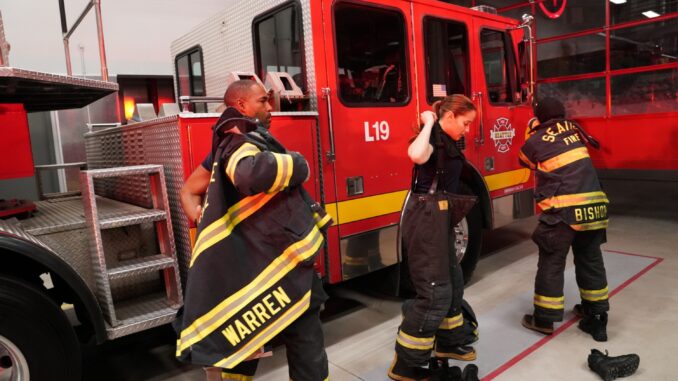
Firefighter dramas have always been popular on television, but not all of them succeed in making audiences truly believe the danger, pressure, and emotional weight that firefighters face every day. One of the reasons fans connect so strongly with Station 19 is the show’s commitment to portraying firefighter life with a surprising level of realism.
From intense rescue missions to the emotional toll of the job, the series captures what it really means to live the life of a first responder.
Realistic Fire Emergencies and Rescue Operations
One of the most obvious ways the show creates authenticity is through its depiction of dangerous emergency situations.
In Station 19, fires are not just background action scenes—they are complex emergencies that require strategy, teamwork, and split-second decisions. Whether the firefighters are responding to building collapses, car crashes, or hazardous explosions, each scenario shows how unpredictable the job can be.
Unlike some TV dramas where heroes solve everything instantly, the firefighters at Station 19 often face situations where things go wrong. Equipment fails, fires spread unexpectedly, and sometimes rescues end in tragedy. This unpredictability mirrors the real-life risks firefighters deal with every day.
The Emotional Cost of the Job
Another element that makes the show feel realistic is its focus on the emotional impact of firefighting.
Characters frequently struggle with trauma after difficult calls. Witnessing accidents, losing victims, or facing life-threatening situations can leave lasting psychological scars. The show does not shy away from these realities.
For example, many characters experience grief after losing teammates or civilians during rescue missions. These emotional storylines help audiences understand that firefighting is not just physically dangerous—it can also be mentally exhausting.
Brotherhood and Teamwork Inside the Firehouse
Real firefighters often describe their colleagues as a second family. The same dynamic is central to Station 19.
Inside the firehouse, the characters share meals, jokes, arguments, and deeply personal conversations. These moments between emergencies reveal the strong bonds that form between people who trust each other with their lives.
The series emphasizes that teamwork is essential in firefighting. Every rescue requires coordination, communication, and trust among the crew. When one person makes a mistake, everyone is affected.
Personal Lives Shaped by a Dangerous Profession
Another realistic element of the show is how the job affects the firefighters’ personal lives.
Working long shifts, facing constant danger, and carrying emotional trauma can put pressure on relationships. Many characters struggle to balance their careers with family, romance, and mental health.
By exploring these personal conflicts, Station 19 reminds viewers that firefighters are not just heroes in uniform—they are ordinary people dealing with extraordinary stress.
Why Realism Matters to Fans
Part of the reason audiences connect with Station 19 is because the show treats firefighting with respect.
Rather than simply using fires as spectacle, the series highlights the courage, sacrifice, and humanity behind the profession. This balance of action and emotional storytelling allows viewers to appreciate the real challenges faced by firefighters.
In many ways, the realism of the show turns every rescue into more than just a dramatic scene—it becomes a reminder of the brave people who risk their lives every day to protect others.
🔥 Final Thoughts
Firefighter dramas succeed when they make audiences feel both the adrenaline of the rescue and the emotional weight behind the uniform. By combining intense emergencies with deeply human stories, Station 19 manages to capture the reality of firefighting in a way that resonates with viewers.
And that realism is exactly what keeps fans coming back episode after episode.