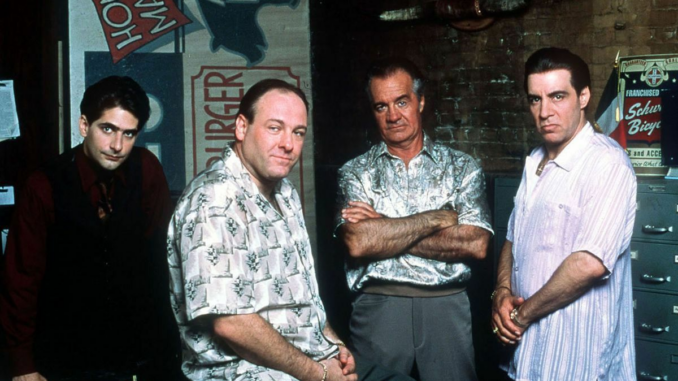
1999’s “Greatest TV Drama of All Time” Was So Accurate, Real-Life Criminals Were Stunned
When The Sopranos premiered in 1999, few could have predicted just how deeply it would redefine television. Often hailed as one of the greatest dramas ever made, the series didn’t just captivate critics and audiences—it also caught the attention of real-life criminals, many of whom were reportedly struck by how authentic it felt.
Crime Story That Felt Too Real
At its core, The Sopranos was never just about mob violence. Under the guidance of creator David Chase, the show explored the psychological, domestic, and moral complexities of organized crime.
From therapy sessions to family dinners, it presented mob life not as glamorous myth—but as a messy, often mundane reality. That grounded approach is precisely what made it resonate beyond typical audiences.
Real-Life Reactions: “How Do They Know This?”
Reports over the years have suggested that individuals connected to organized crime were surprised—sometimes even unsettled—by the show’s accuracy.
The dialogue, hierarchy, and day-to-day operations felt so precise that some questioned whether insiders were feeding information to the writers. In reality, the production relied heavily on:
-
Law enforcement consultants
-
Court transcripts and real cases
-
Extensive research into mafia culture
The result? A portrayal that blurred the line between fiction and reality.
Performances That Sold the Illusion
A huge part of that realism came from the cast, led by James Gandolfini as Tony Soprano. His performance humanized a mob boss in a way television had never done before—balancing brutality with vulnerability.
Supporting actors, including Steve Schirripa and others, brought a lived-in authenticity to their roles, making every interaction feel unscripted and dangerously real.
Breaking the Myth of the Mafia
Unlike earlier portrayals that romanticized organized crime, The Sopranos stripped away illusion. Violence was sudden and often meaningless. Loyalty was fragile. Power came with paranoia.
This grounded depiction didn’t just entertain—it reframed how audiences understood the mafia, influencing countless shows that followed.
A Legacy That Still Hits Hard
More than two decades later, The Sopranos remains a benchmark for storytelling. Its realism—once shocking—has become the gold standard.
And perhaps the ultimate testament to its impact is this:
When even those closest to that world were impressed—or unnerved—you know the story hit something true.